


Listen to the article
Iranian Women’s Images Weaponized in Propaganda Wars
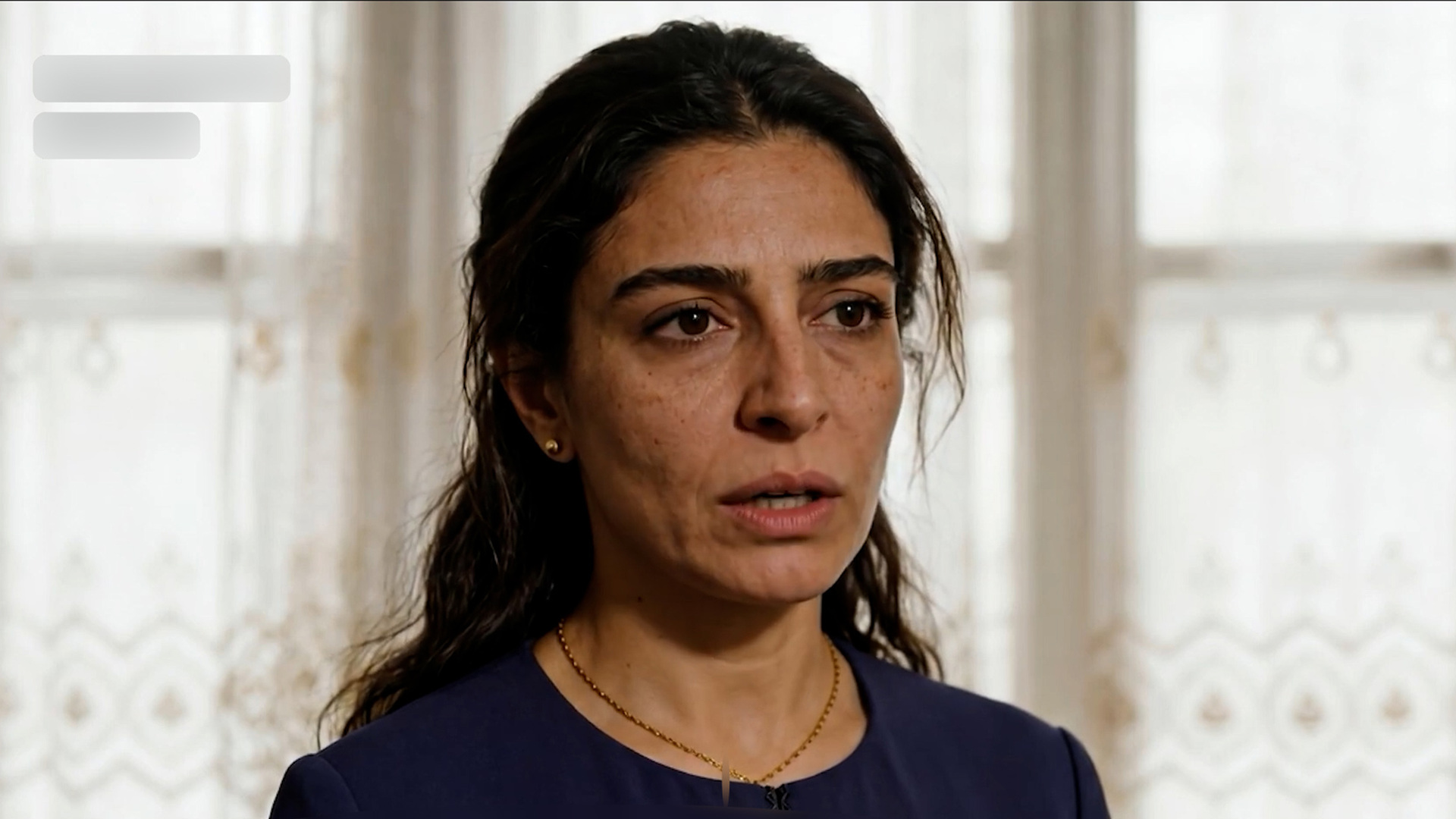
Deepfake videos and manipulated images purporting to show female victims of Iran’s government have gone viral across social media platforms, reaching such widespread circulation that even the U.S. President has shared some of them. This growing trend highlights how Iranian women—both real and fabricated—are increasingly being used as propaganda tools to build support for foreign intervention in the country.
According to an investigation by Al Jazeera, the surge in these falsified images coincides with heightened tensions between Iran and Western powers. Digital forensics experts have identified dozens of manipulated videos circulating on major platforms like Twitter, Facebook, and TikTok, many garnering millions of views before any fact-checking measures are implemented.
“What we’re seeing is a sophisticated campaign where emotional imagery of suffering women becomes a powerful narrative device,” said Dr. Farah Nouri, a media analyst specializing in Middle Eastern representation. “The pattern isn’t new, but the technology making it possible has become far more accessible and convincing.”
The manipulated content typically follows predictable patterns: videos showing alleged brutality by Iranian security forces against female protesters, or images of women supposedly imprisoned for minor infractions of the country’s dress code. While Iran’s human rights record has legitimate criticisms from international organizations, these fabricated materials often distort reality or completely manufacture incidents.
The Iranian government has consistently denied allegations of systematic abuse against women protestors, though human rights groups have documented cases of detention and mistreatment. This complex reality makes separating authentic documentation from propaganda particularly challenging for international observers.
Social media platforms have struggled to contain the spread of such content. By the time fact-checkers identify manipulated media, the emotional impact has already shaped public opinion. Platform representatives note the difficulty in balancing content moderation with free expression, particularly when content involves politically sensitive situations.
The phenomenon extends beyond just spreading misinformation. Analysis shows these campaigns often precede calls for more aggressive foreign policy stances toward Iran, including sanctions or military action. Historical precedent demonstrates how narratives about women’s oppression have been weaponized to justify intervention, most notably during conflicts in Afghanistan and Iraq.
“There’s a long history of Western powers using women’s rights as justification for intervention in the Middle East,” explained Professor Sarah Levin from Georgetown University’s Center for Contemporary Arab Studies. “The pattern becomes troubling when legitimate concerns about women’s rights are coopted into geopolitical agendas.”
Iranian diaspora communities have expressed frustration at seeing genuine struggles for women’s rights in Iran exploited in this manner. “These fake videos trivialize the real fight happening on the ground,” said Neda Karmani, an Iranian-American activist. “They reduce complex social movements to simplistic narratives that ultimately serve foreign policy objectives rather than helping Iranian women.”
Media literacy experts recommend several strategies for identifying potentially manipulated content, including checking multiple reputable news sources, being wary of highly emotional footage without clear attribution, and using reverse image searches to verify authenticity.
The spread of this content raises important questions about digital literacy in an era where artificial intelligence makes detecting falsified media increasingly difficult. As technology advances, distinguishing between authentic documentation of human rights abuses and manufactured propaganda becomes more challenging for average consumers of news.
International organizations monitoring human rights have called for greater transparency from both governments and social media companies. They emphasize the importance of protecting the integrity of legitimate human rights documentation while developing better tools to identify and flag manipulated content.
As tensions with Iran continue, media analysts expect the weaponization of women’s images to intensify, particularly around key diplomatic negotiations or during periods of internal unrest within Iran. The battle for narrative control remains a critical dimension of international relations in the digital age, with Iranian women’s rights caught in the crossfire.
Fact Checker
Verify the accuracy of this article using The Disinformation Commission analysis and real-time sources.

22 Comments
This is a concerning trend that exploits vulnerable populations. Fabricated images and videos erode public trust and enable dangerous narratives. More transparency and accountability around online content is needed.
I agree, the use of deepfakes to justify military action is very troubling. We must be vigilant against the malicious spread of misinformation, no matter the intent.
Deeply concerning to see how sophisticated deepfake technology is being weaponized for propaganda purposes. We need robust verification methods and greater transparency to combat the spread of misinformation.
I agree. The exploitation of vulnerable populations to further dangerous narratives is unacceptable. Restoring public trust and upholding ethical standards must be the top priority.
Disturbing to see how advanced deepfake tech is being used for propaganda. We need robust verification methods to prevent the spread of fake content, especially around sensitive political issues.
Absolutely. Disinformation weaponizing women’s images is a new low. Fact-checking and media literacy are crucial to combat these manipulative tactics.
This is a concerning trend that highlights the urgent need for improved digital media verification. Falsified content should not be allowed to spread and influence important political debates.
I agree. The use of deepfakes to justify military action is highly troubling. We must find ways to combat the malicious spread of misinformation and restore public trust.
The exploitation of women’s suffering for political gain is abhorrent. Deepfake technology is a powerful tool that must be used responsibly and with strong safeguards against misuse.
Absolutely. Maintaining media integrity and public trust should be the top priority as we grapple with the challenges posed by advanced AI-powered technologies.
The use of deepfakes to justify military action is highly concerning. We need stronger regulations and transparency around the development and use of this technology to prevent its abuse.
Absolutely. The weaponization of women’s images is a new low. We must remain vigilant against the malicious spread of misinformation, regardless of the intent.
This is a troubling development that highlights the urgent need for improved digital media verification. Falsified content should not be allowed to spread and influence important political debates.
I agree. The exploitation of vulnerable populations for political gain is unacceptable. We must find ways to combat this threat to democracy and restore public trust.
The weaponization of women’s suffering for political gain is abhorrent. While advanced AI can enable powerful storytelling, it’s critical that we maintain strong safeguards against misuse.
Absolutely. Deepfake technology is a double-edged sword – it can be incredibly useful, but also incredibly dangerous in the wrong hands. Rigorous fact-checking is essential.
Deeply concerning to see how advanced AI is being misused for propaganda purposes. Maintaining public trust and upholding ethical standards in the use of this technology is crucial.
Well said. Deepfakes are a powerful double-edged sword – we must find ways to harness their potential for good while preventing abuse. Robust verification and accountability measures are essential.
This is a disturbing trend that highlights the urgent need for better digital media verification tools. Falsified content should not be allowed to spread and influence important geopolitical debates.
Agreed. Manipulating images of vulnerable populations to further political agendas is unethical and undermines public trust. We must find ways to combat this threat to democracy.
The weaponization of women’s images for political gain is abhorrent. We need stronger regulation and transparency around the development and use of deepfake technology to prevent such exploitation.
Absolutely. Manipulating vulnerable populations to further dangerous narratives is a new low. Maintaining media integrity and public trust should be the top priority.