


Listen to the article
Police investigating the murder of journalist Lyra McKee may have been targeted with shots intended for propaganda videos, a court has heard.
Peter Cavanagh, 35, stands accused of Lyra’s murder in Londonderry on April 18, 2019, during a night of violent rioting in the Creggan area. Cavanagh, from Elmwood Terrace in Derry, faces additional charges of possessing a firearm and being a member of the New IRA, a dissident republican group that claimed responsibility for the killing.
During a bail application hearing at Belfast Crown Court on Monday, Crown prosecutor Robin Steer suggested the gunfire that killed McKee may have been part of a propaganda effort rather than a targeted attack on police.
“The shooting appears to have been done for propaganda purposes, to make videos for dissemination,” Steer told the court. He added that police had recovered mobile phone footage showing a masked gunman firing shots in the direction of police lines where McKee was standing among a crowd of onlookers.
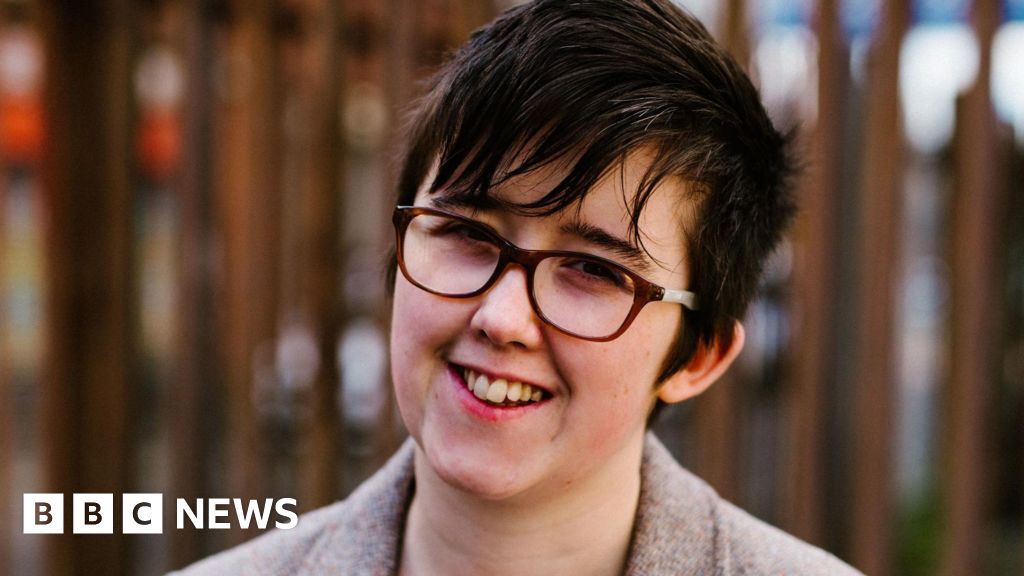
McKee, 29, was a rising star in journalism, known for her insightful reporting on the lasting effects of the Troubles in Northern Ireland. Her death sparked widespread condemnation across the political spectrum and renewed calls for an end to paramilitary violence that has persisted despite the 1998 Good Friday Agreement.
The prosecution outlined how rioting had broken out following police searches for weapons and explosives in the predominantly nationalist Creggan estate. During the disturbances, a gunman fired multiple shots toward police positions where McKee was observing events alongside other civilians.
The court heard that investigators have compiled substantial evidence against Cavanagh, including DNA material recovered from discarded clothing allegedly worn by the gunman. Prosecutors also cited height analysis, CCTV footage, and witness testimony linking the defendant to the shooting.
Defense barrister Mark Mulholland KC challenged the strength of the evidence, arguing there were “significant gaps” in the prosecution case. He emphasized that Cavanagh maintains his innocence and has no previous convictions for terrorist offenses.
“My client completely denies involvement in this tragic death and rejects any suggestion of paramilitary affiliation,” Mulholland stated. He argued that the height analysis was unreliable and contested the DNA evidence as potentially contaminated.
The bail hearing comes more than four years after McKee’s murder, reflecting the complex nature of the investigation. The New IRA, a small dissident republican group formed in 2012, admitted responsibility for her death in the days following the shooting, describing it as an accident and offering “full and sincere apologies.”
Justice O’Hara, presiding over the hearing, noted the serious nature of the charges and the potential flight risk, ultimately denying bail. Cavanagh will remain in custody as the case progresses toward trial.
The prosecution of McKee’s alleged killer represents a significant development in a case that sent shockwaves through both the journalistic community and wider society in Northern Ireland. Her murder occurred during the delicate 20th anniversary period of the Good Friday Agreement, underscoring the persistent threat from dissident groups opposed to the peace process.
McKee’s partner, Sara Canning, and family members were present in court for the bail hearing. Outside the courthouse, supporters held photographs of the journalist and placards calling for justice.
The case has drawn international attention to ongoing paramilitary activity in Northern Ireland. While mainstream republican and loyalist groups decommissioned their weapons following the peace agreement, splinter organizations like the New IRA have continued to reject the political settlement and maintained a campaign of violence against security forces.
A full trial date has not yet been set, but preliminary hearings are expected to continue in the coming months as prosecutors prepare their case against Cavanagh and other alleged accomplices charged in connection with McKee’s murder.
Fact Checker
Verify the accuracy of this article using The Disinformation Commission analysis and real-time sources.

8 Comments
The idea that these shots may have been part of a propaganda effort is really troubling. Lyra McKee was a respected journalist who was simply trying to do her job. Her death was a terrible tragedy.
I agree, it’s horrifying if the gunfire was intended for propaganda rather than a direct attack. Journalists must be able to report safely without fear of violence or exploitation.
This is a very concerning situation. If the shots were indeed fired for propaganda purposes, that’s a disturbing development. I hope the investigation can uncover the full truth behind Lyra McKee’s tragic death.
You’re right, the potential propaganda angle makes this even more troubling. Journalists should never be targeted, regardless of the motives.
The suggestion that the shots may have been fired for propaganda reasons makes this tragedy even more sickening. Lyra McKee was a talented journalist who was simply doing her job when she was killed. I hope the investigation uncovers the full truth.
You’re absolutely right. Using violence as propaganda is a despicable act. Lyra McKee’s death was a devastating loss, and the truth behind it must be brought to light.
This is a very disturbing development. If the shots that killed Lyra McKee were indeed part of a propaganda effort, that is a horrifying abuse of violence. My heart goes out to her family and colleagues during this difficult time.
This is a very disturbing development. If the shots that killed Lyra McKee were indeed intended for propaganda purposes, that is an outrageous abuse of violence. My heart goes out to her family and colleagues.