


Listen to the article
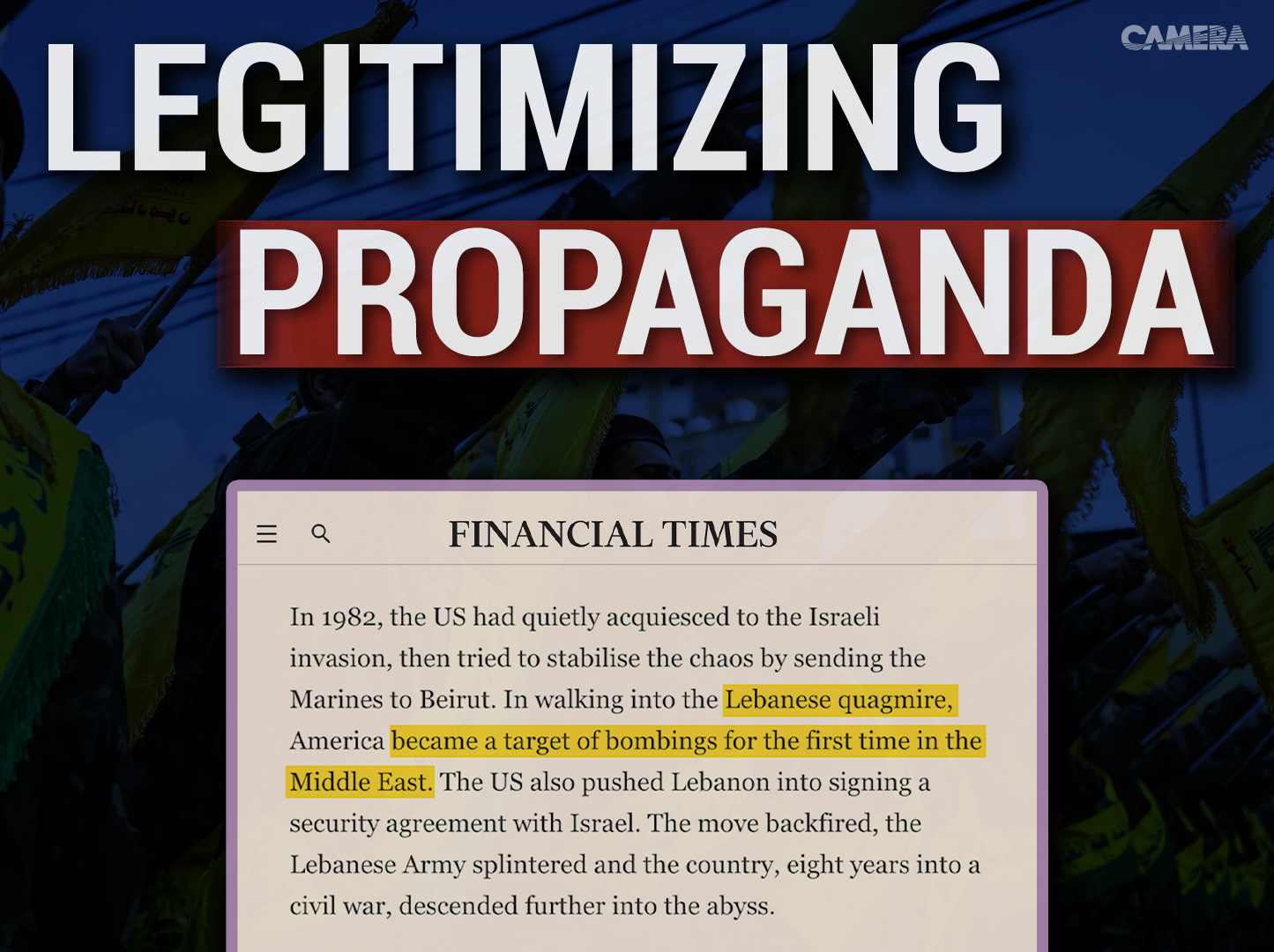
In a recent development that has raised concerns across media ethics circles, the Financial Times has come under scrutiny for its coverage of Hezbollah, with critics questioning the publication’s editorial judgment in its portrayal of the Lebanon-based militant group.
Media watchdog organizations have expressed alarm over what they describe as the legitimization of Hezbollah’s messaging in the respected financial newspaper’s reporting. The controversy centers around video content published by the FT that some observers claim presents Hezbollah’s perspective without sufficient critical context or counterbalancing viewpoints.
Hezbollah, designated as a terrorist organization by the United States, United Kingdom, Germany, and several other nations, operates as both a political party in Lebanon and an armed militia with significant influence in the region. The group maintains close ties with Iran and has been involved in numerous conflicts, most notably with Israel.
Critics argue that the Financial Times’ coverage risks normalizing Hezbollah’s narrative by featuring its statements and claims without adequately addressing the group’s history of violence and its role in regional destabilization. Media ethics experts point out that while reporting on all sides of a conflict is essential for balanced journalism, there’s a fine line between balanced reporting and inadvertently amplifying propaganda.
“When mainstream media outlets like the FT present Hezbollah’s messaging without proper contextualization, they risk lending credibility to an organization that has been implicated in numerous attacks against civilians,” said one media analyst who specializes in Middle Eastern coverage. “There’s a responsibility to ensure audiences understand the full context of who is speaking and what their agenda might be.”
The Financial Times, known globally for its authoritative business and political reporting, has built its reputation on rigorous journalistic standards. This makes the current criticism particularly noteworthy, as it touches on the publication’s core credibility in covering complex geopolitical issues.
The controversy highlights the broader challenges faced by Western media organizations when reporting on militant groups and non-state actors in the Middle East. Journalists often walk a tightrope between providing comprehensive coverage that includes all relevant perspectives and avoiding the trap of uncritically transmitting propaganda.
Media experts suggest that responsible reporting on groups like Hezbollah should include clear identification of the organization’s status under international law, acknowledgment of its military activities, and balance through inclusion of diverse expert analysis and affected communities’ voices.
The timing of this controversy is significant, coming amid heightened tensions in the Middle East and increasing concerns about information warfare and media manipulation. In recent years, various militant groups have become increasingly sophisticated in their media strategies, utilizing professional-quality content to shape international perception.
For its part, the Financial Times has previously defended its Middle East coverage as adhering to the highest journalistic standards, emphasizing its commitment to factual reporting that provides readers with the information needed to form their own informed opinions.
This incident also reflects broader debates within journalism about objectivity versus false equivalence, particularly when covering organizations that engage in both political and violent activities. News outlets worldwide continue to grapple with finding the appropriate approach to such coverage.
Media literacy advocates have used this controversy as an opportunity to remind news consumers about the importance of critical engagement with all news sources, even those with established reputations for quality journalism.
“This situation demonstrates why media literacy is so crucial today,” noted one journalism professor. “Even respected outlets can make editorial decisions that deserve scrutiny, and readers should always approach news with a critical eye for context, source credibility, and potential bias.”
As this debate continues, it underscores the ongoing challenges facing journalism in an era of complex global conflicts and sophisticated information campaigns, where the line between reporting and inadvertently amplifying propaganda requires constant vigilance.
Fact Checker
Verify the accuracy of this article using The Disinformation Commission analysis and real-time sources.

9 Comments
This is a delicate situation that requires the utmost care and professionalism from the FT. While freedom of the press is vital, providing a platform for Hezbollah’s perspective without adequate context and counterpoints could be seen as irresponsible. The FT must uphold the highest journalistic standards to maintain public trust.
This is a concerning development. The FT should uphold the highest journalistic standards when covering such sensitive topics, ensuring critical analysis and diverse viewpoints. Uncritically airing Hezbollah’s statements without addressing their history of violence could seriously undermine public trust.
I agree, the FT needs to tread very carefully here. Reporting on extremist groups requires a delicate balance – informing the public without inadvertently amplifying their propaganda.
The FT must tread a fine line here. Reporting on Hezbollah is important, but they need to ensure their coverage is rigorous, objective, and avoids any hint of normalization or legitimization of the group’s activities and ideology. Responsible journalism is essential, especially when dealing with designated terrorist organizations.
This is a complex issue, and the FT needs to navigate it very carefully. While freedom of the press is crucial, providing a platform for Hezbollah without sufficient critical examination could be seen as irresponsible. The FT should strive for balanced, well-contextualized reporting on such sensitive topics.
Hmm, this is a tricky situation. While the FT has a duty to report on major political and militant groups, they need to be extremely careful in how they portray Hezbollah, a designated terrorist organization. Providing their perspective without sufficient context and counterpoints could indeed risk normalizing their messaging.
The FT’s coverage of Hezbollah is understandably controversial. As a reputable financial publication, they have a responsibility to report the facts objectively, while also ensuring their reporting does not inadvertently lend credibility to a designated terrorist organization. Striking the right balance will be crucial.
As a leading financial publication, the FT has a responsibility to report the facts objectively, while also providing appropriate context and analysis when covering groups like Hezbollah. Failing to do so risks accusations of being used as a mouthpiece for terrorist propaganda.
Valid concerns. The FT must uphold journalistic integrity and avoid even the appearance of legitimizing Hezbollah’s narrative, no matter how tempting it may be to present their perspective.