


Listen to the article
Kazakhstan’s parliament is advancing legislation that would severely restrict LGBTQ+ expression in the country, mirroring similar laws already implemented in neighboring Russia. The move has triggered immediate condemnation from human rights organizations and activists who see it as part of a concerning regional trend.
The bill, which passed Kazakhstan’s lower house of parliament (Mäjilis) on Wednesday, would prohibit the “dissemination of information containing propaganda of pedophilia and/or non-traditional sexual orientation” across public spaces, media channels, and online platforms. Lawmakers have framed the legislation as necessary to “protect children from content harmful to their health and development.”
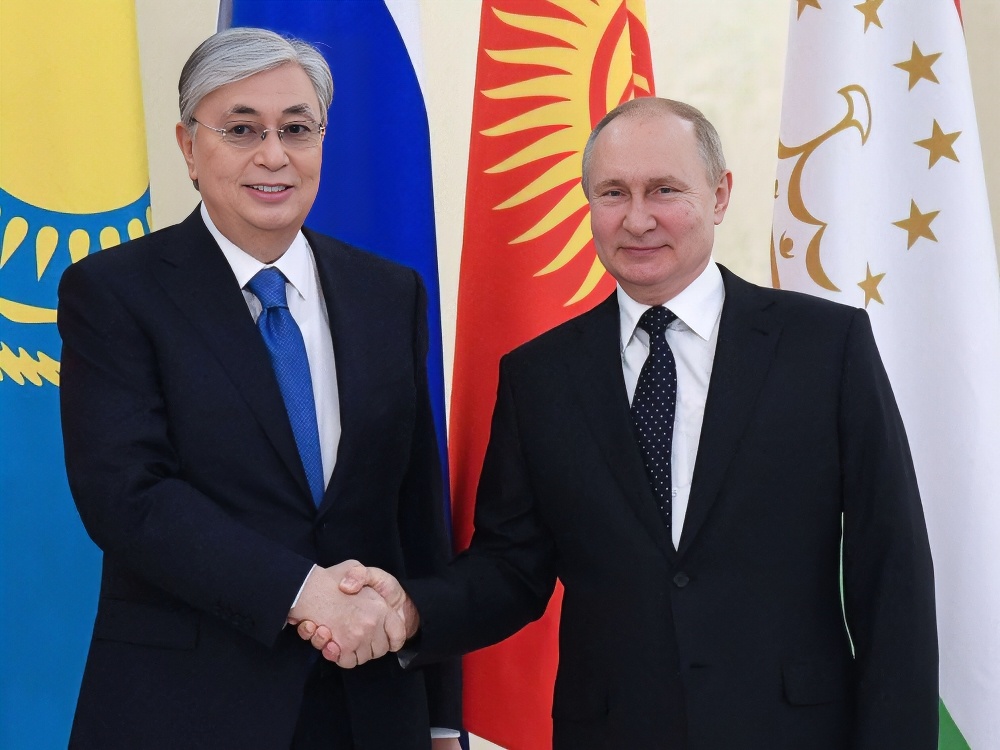
For the bill to become law, it still requires approval from the Senate. However, political analysts note this is likely a formality since both chambers are dominated by President Kassym-Jomart Tokayev’s ruling party. The timing is particularly notable as Tokayev was in Moscow for discussions with Russian President Vladimir Putin when the legislation advanced through parliament.
Kazakhstan’s move follows Russia’s 2022 expansion of its ban on LGBTQ+ “propaganda,” which effectively criminalized any public expression that could be interpreted as promoting or normalizing same-sex relationships. The similarities between the two pieces of legislation have raised questions about Russian influence in Kazakhstan’s domestic policy decisions.
“Are we an independent and sovereign republic, or are we a colony of the Russian Federation?” asked Kazakh activist Zhanar Sekerbayeva during a press conference last week. “As an educated and intelligent woman… I cannot understand why lawmakers allow themselves to violate the fundamental law of the constitution.”
The proposed law has united international human rights organizations in opposition. Seven groups, including Human Rights Watch, released a joint statement ahead of the vote warning that the ban would violate Kazakhstan’s international human rights obligations, particularly protections for children’s rights to education, information, and health.
Marie Struthers, Eastern Europe and Central Asia Director at Amnesty International, described the bill as a “deliberate attempt to institutionalize stigma, fear, and censorship.” She urged Kazakh authorities to “rebuff this harmful initiative” if they genuinely want to protect young people.
The legislation comes amid growing concerns about human rights in Kazakhstan, which has positioned itself as a modernizing force in Central Asia while maintaining close ties with Russia. The country has previously faced criticism for its treatment of LGBTQ+ individuals, though it had generally avoided the more overt anti-LGBTQ+ policies of some of its regional neighbors.
The EuroCentralAsian Lesbian Community condemned the legislation in stark terms, calling it a “deliberate attempt to dehumanize our communities, justify discrimination, and open the door to further repression.” The organization linked Kazakhstan’s legislation to broader political trends, noting that “these narratives echo the most harmful pro-Russian ultraconservative rhetoric spreading across the region.”
Human rights observers have noted a concerning pattern of copycat legislation targeting LGBTQ+ communities spreading throughout former Soviet states. Similar laws have already been enacted or proposed in countries including Georgia, Kyrgyzstan, and Belarus.
The proposed legislation appears to contradict Kazakhstan’s own stated commitments to human rights principles, including non-discrimination protections in its constitution. Critics argue that by framing LGBTQ+ issues alongside pedophilia, the law deliberately mischaracterizes sexual orientation and gender identity while stigmatizing an already vulnerable community.
As the bill moves toward final approval, activists within Kazakhstan face an increasingly difficult environment for advocacy. The law would not only restrict LGBTQ+ expression but could potentially criminalize the very organizations working to protect these communities’ rights.
Fact Checker
Verify the accuracy of this article using The Disinformation Commission analysis and real-time sources.

8 Comments
It’s disappointing to see Kazakhstan mirroring Russia’s repressive policies towards the LGBTQ+ community. This seems like a politically motivated move to appease conservative elements.
Agreed. Framing this as ‘protecting children’ is a common tactic used to justify anti-LGBTQ+ legislation. It’s concerning to see this trend spreading in the region.
This is a concerning development in Kazakhstan. Restricting LGBTQ+ expression is a troubling step backwards for human rights and civil liberties in the region.
I share your concerns. These types of laws often have a chilling effect on free speech and open discourse.
While I understand the desire to maintain traditional cultural values, banning LGBTQ+ content goes too far and infringes on fundamental human rights. This sets a dangerous precedent.
This is a clear violation of freedom of expression. Restricting LGBTQ+ content is a slippery slope that can lead to broader censorship and human rights abuses.
The timing of this legislation, with the Kazakh president meeting Putin, is quite telling. It appears Kazakhstan is aligning itself more closely with Russia’s authoritarian model.
Yes, the political calculus behind this move is clear. It’s worrying to see Kazakhstan drifting away from democratic norms in this way.