


Listen to the article
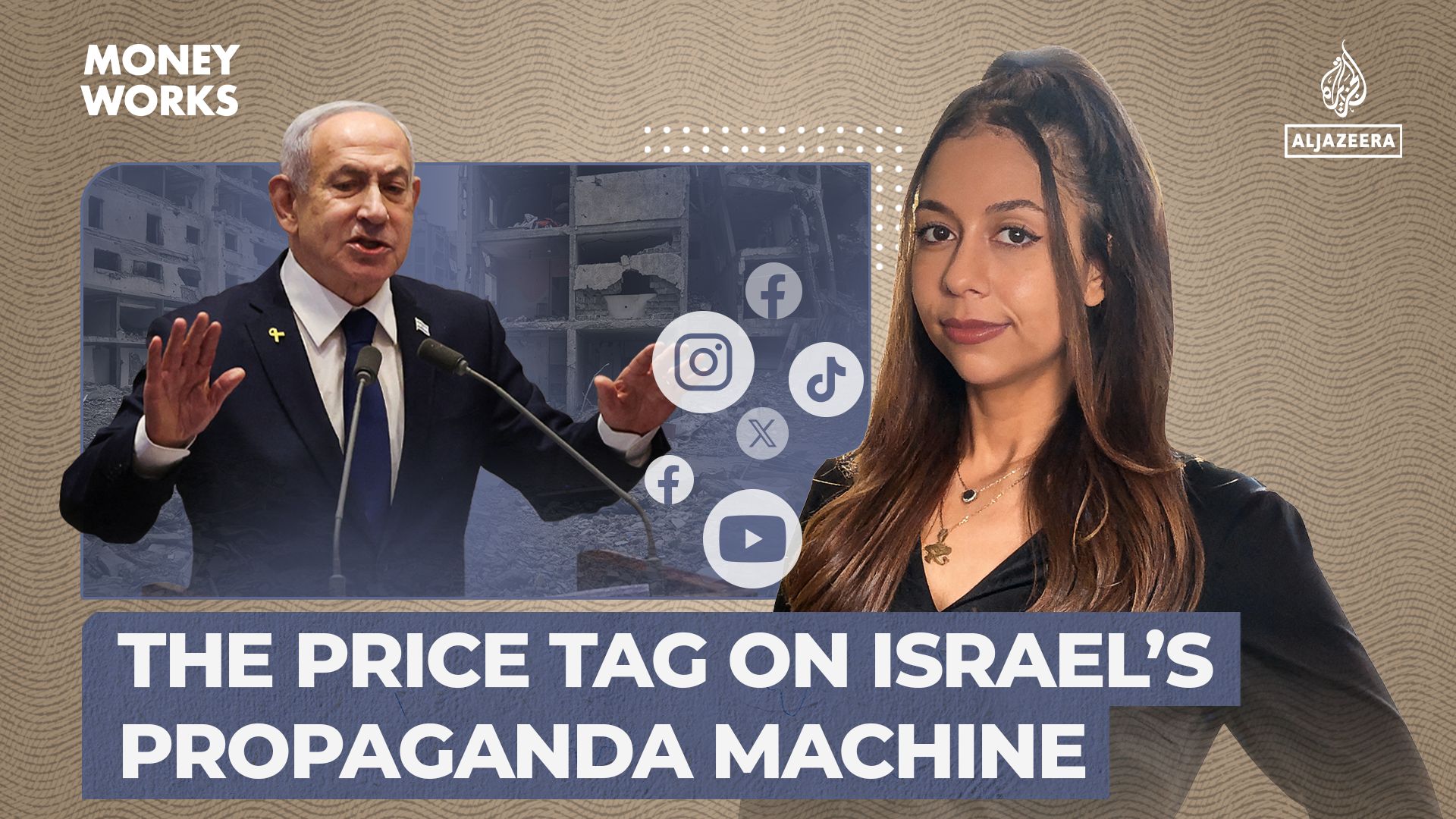
As Israel’s military operation in Gaza continues into its seventh month, questions are emerging about the financial resources dedicated to the country’s sophisticated public relations strategy. Government documents and public records reveal that Israel has invested significantly in a multifaceted approach to shape global narratives surrounding its military actions.
Israel’s Ministry of Foreign Affairs reportedly allocates approximately $20 million annually to public diplomacy efforts, but experts suggest this represents only a fraction of the total spending. When factoring in additional resources from the Prime Minister’s Office, Ministry of Strategic Affairs, and military communications units, the combined propaganda budget likely exceeds $100 million per year.
The government has developed a network of digital war rooms operating around the clock since October 7, monitoring social media platforms and coordinating responses to criticism. These operations employ hundreds of staff members, including multilingual specialists who craft messaging for different international audiences.
“This isn’t simply about reacting to news cycles,” explains Dr. Sarah Kelman, a media studies professor at Tel Aviv University. “It’s a comprehensive strategy that combines traditional diplomatic channels with cutting-edge digital outreach to maintain narrative control in a complex information environment.”
A significant portion of this budget supports Israel’s hasbara program – a Hebrew term roughly translating to “explanation” but widely understood as referring to the country’s public diplomacy efforts. The program includes partnerships with international PR firms, media training for government officials, and coordination with pro-Israel advocacy groups abroad.
Financial records show contracts with at least five major global public relations firms totaling over $15 million since October 2023. These firms help craft messaging, arrange media appearances for Israeli officials, and provide strategic communications guidance during sensitive military operations.
The digital component of Israel’s media strategy has grown substantially in recent years. The government maintains active presences across all major social media platforms, with dedicated teams creating content in more than 50 languages. Analytics data suggests these accounts reach tens of millions of viewers monthly, with engagement rates significantly higher than typical government communications.
“What sets Israel apart is not just the scale of investment but the sophistication of integration between military operations and public messaging,” notes Marcus Browne, a political communications analyst at Columbia University. “There’s a seamless coordination that few other nations have achieved.”
Critics argue that the extensive PR machinery serves to deflect attention from humanitarian concerns in Gaza, where Palestinian health authorities report over 34,000 deaths since October. Palestinian advocacy groups claim they are significantly outspent in the information sphere, with limited resources to counter Israel’s narrative dominance.
“The asymmetry in resources creates an uneven playing field in how the conflict is portrayed internationally,” says Layla Hamoudi from the Palestinian Policy Network. “While Israel can instantly deploy polished messaging across multiple platforms, Palestinian voices often struggle for visibility.”
Israel’s defenders counter that the investment is necessary given what they perceive as disproportionate scrutiny of the country in international forums. They point to hostile regional media environments and the spread of misinformation as justifications for robust communications operations.
The financial commitment to public relations extends beyond government channels. Private philanthropists and pro-Israel organizations contribute additional resources estimated at tens of millions of dollars annually for advocacy campaigns, campus initiatives, and influencer outreach programs.
Media analysis firms note that Israel’s communications strategy has evolved substantially in recent years, moving from reactive crisis management toward proactive narrative building. This includes highlighting technological innovations, humanitarian assistance, and positioning Israel as a frontline defender against regional threats.
Industry experts suggest that few countries of Israel’s size devote comparable resources to international public relations, though exact comparisons are difficult due to varying levels of transparency in government communications budgets.
As the conflict continues, the effectiveness of Israel’s significant investment in shaping global perceptions remains a subject of ongoing debate, with implications for how military operations are understood and evaluated in the court of international opinion.
Fact Checker
Verify the accuracy of this article using The Disinformation Commission analysis and real-time sources.

7 Comments
The use of digital war rooms and multilingual specialists to craft tailored messaging for different audiences is an intriguing approach. However, it raises concerns about the ability to present a balanced, objective perspective on the situation. Careful scrutiny of these public relations tactics seems warranted.
This is certainly an interesting and concerning situation. Israel’s sizeable public relations budget raises questions about the transparency and motivations behind their messaging efforts on social media and global platforms. As a neutral observer, I’m curious to learn more about the specific tactics and goals of this coordinated propaganda strategy.
While public diplomacy is common for many nations, the scale of Israel’s reported spending on this seems quite substantial. I wonder if there are concerns about the potential distortion or manipulation of information, and how this may impact international perceptions and discourse surrounding the ongoing conflict.
That’s a fair point. Transparency around government propaganda efforts is crucial for maintaining an informed global dialogue on complex geopolitical issues.
While public relations and strategic communications are common for governments, the scale of Israel’s reported spending does seem quite substantial. It will be interesting to see how this issue develops and what implications it may have for global perceptions of the conflict.
Agreed. Maintaining an open and honest dialogue on sensitive geopolitical issues is crucial, regardless of a nation’s resources or tactics.
This report raises important questions about the balance between legitimate public diplomacy and potential propaganda efforts. As an observer, I’m curious to learn more about the specific tactics and goals behind Israel’s substantial public relations budget and how it may influence international discourse on the conflict.