


Listen to the article
Iran’s Diplomatic Social Media Campaign Spotlights Christians Amid Regional Tensions
Iranian authorities have ramped up a sophisticated social media campaign targeting Western audiences, particularly Christians, while most of their own citizens remain cut off from the internet. This strategic communications effort comes as part of a broader attempt to shape international perceptions about Iran’s treatment of religious minorities.
BBC Persian analysis recently revealed an extraordinary surge in engagement with Iranian diplomatic X (formerly Twitter) accounts during ongoing regional conflicts. The embassy in South Africa recorded as many as 2 million likes and retweets on April 5 alone, part of a pattern observed across Iran’s 130 embassy accounts worldwide.
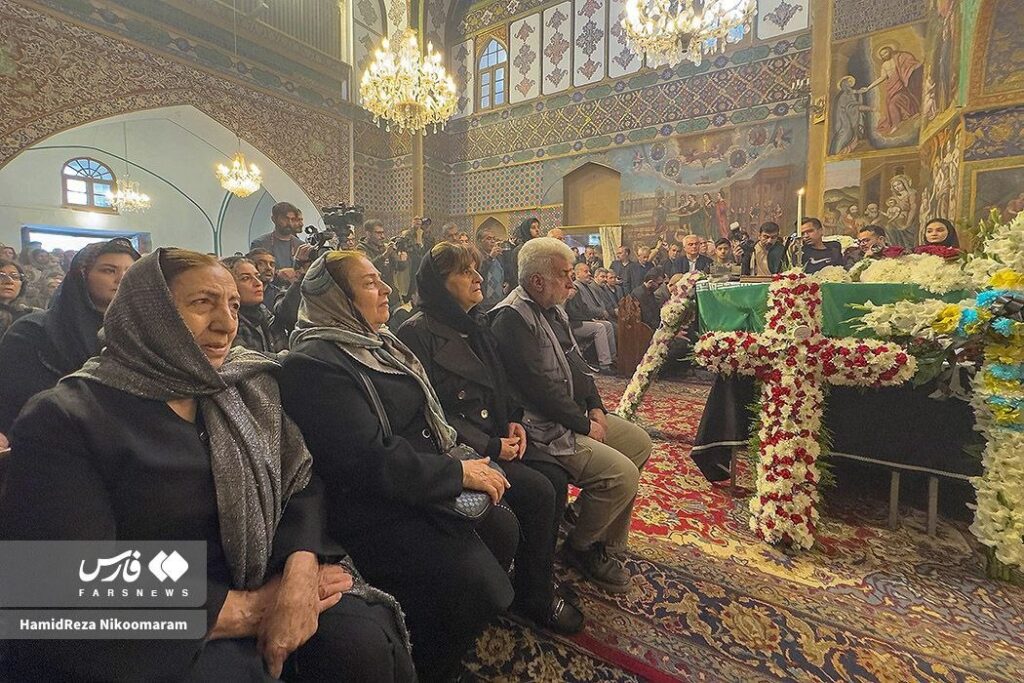
The messaging strategy appears carefully calibrated to present Iran as a defender of religious diversity, despite documented evidence of systematic persecution against certain Christian groups within the country. Posts highlighting Tehran’s Virgin Mary metro station have been particularly prominent, alongside content featuring historic churches, memorial services, and biblical references.
“Anyone who believes that religious minorities in the Islamic Republic of Iran face pressure and lack freedom in practising their rituals will be surprised to witness this event, certainly,” declared state media when promoting the metro station last year.
The digital campaign takes place in a context where X remains officially banned within Iran, and most Iranians have limited internet access. This suggests the primary audience for these messages is international, not domestic, observers note.
Embassy accounts have shared content showing Iranian-Armenian Christians participating in memorial services for the late Ayatollah Ali Khamenei, images of Christian churches in Iran, and references to Evans Simonian, described as an Iranian Armenian Christian killed in recent military actions.
One post from Iran’s embassy in South Africa directly appealed to global Christians: “We Iranians, regardless of our religion, have put Trump in his place, and we will continue to do so. Christians of the world, what about you?”
Mansour Borji, director of Article18, a religious freedom advocacy organization, offered a sharply different perspective on the situation. “Alongside other propaganda efforts during the conflict, there has been a concerted attempt to dissuade public support for the war by presenting the Islamic Republic as benevolent and protective towards Christians in the country,” Borji stated.
“Yet the truth is that the vast majority of Christians in Iran today – converts from Muslim backgrounds – aren’t even allowed to enter the historic churches of the Armenian and Assyrian minorities and face arrest simply for gathering together to pray and worship in their homes,” he added.
According to Article18’s documentation, at least 48 Christians are currently detained in Iran on faith-related charges. Since the Islamic Republic’s establishment in 1979, Christian communities have faced significant restrictions, including church closures, arrests, and imprisonment of religious leaders.
The social media campaign represents a significant investment in digital diplomacy by Iranian authorities. The timing coincides with heightened international tensions and appears designed to cultivate sympathy among Western religious communities by positioning Iran as respectful of Christian heritage and traditions.
Media analysts note this approach fits within a broader pattern of Iranian strategic communications that highlights selective examples of religious tolerance while omitting documented cases of persecution against religious minorities, particularly Christian converts from Islam, Baha’is, and Sunni Muslims in certain regions.
The contrast between Iran’s international messaging about religious freedom and the documented experiences of religious minorities within its borders underscores the challenges of evaluating competing narratives in an era of sophisticated digital diplomacy and information operations.
Fact Checker
Verify the accuracy of this article using The Disinformation Commission analysis and real-time sources.

8 Comments
Iran’s attempt to portray itself as a defender of religious diversity is puzzling, given the overwhelming evidence of systematic discrimination and oppression against Christian communities in the country. This social media campaign appears to be a strategic effort to distract from their concerning human rights record.
You raise a good point. Iran’s claims about religious tolerance seem to contradict the lived experiences of many religious minorities within the country. It will be crucial to scrutinize their messaging and ensure the facts are not obscured.
Interesting to see Iran trying to shape perceptions about religious minorities through social media. While their messaging may seem benevolent, the reality of persecution against Christians within Iran is well-documented. It will be important to look at the full context and facts around their claims.
Iran’s propaganda efforts to portray themselves as defenders of religious diversity are concerning, given the well-documented persecution of Christian communities within the country. This seems like a strategic attempt to distract from their poor human rights record rather than a genuine effort to promote tolerance and inclusion.
The surge in engagement with Iranian diplomatic social media accounts is noteworthy, though the content appears carefully curated to present a misleading image of religious freedom in the country. It will be crucial to scrutinize these claims and ensure the reality for Christian and other minority communities is not obscured by this propaganda campaign.
While Iran’s social media messaging may seem benevolent on the surface, the lived experiences of religious minorities within the country tell a much different story. This propaganda campaign appears to be a strategic attempt to distract from the systematic discrimination and oppression that many Christians and other groups face in Iran.
This social media campaign by Iran is an interesting tactic, though one must approach it with a critical eye. While the messaging may seem positive on the surface, the reality for many religious minorities in Iran tells a much darker story. It will be important to look beyond the propaganda and focus on the actual treatment of these communities.
Iran’s efforts to shape international perceptions about its treatment of religious minorities through social media are concerning. The reality for many Christian communities in the country is one of persecution and oppression, which stands in stark contrast to the positive messaging being pushed. It will be important to look beyond the propaganda and focus on the facts.