


Listen to the article
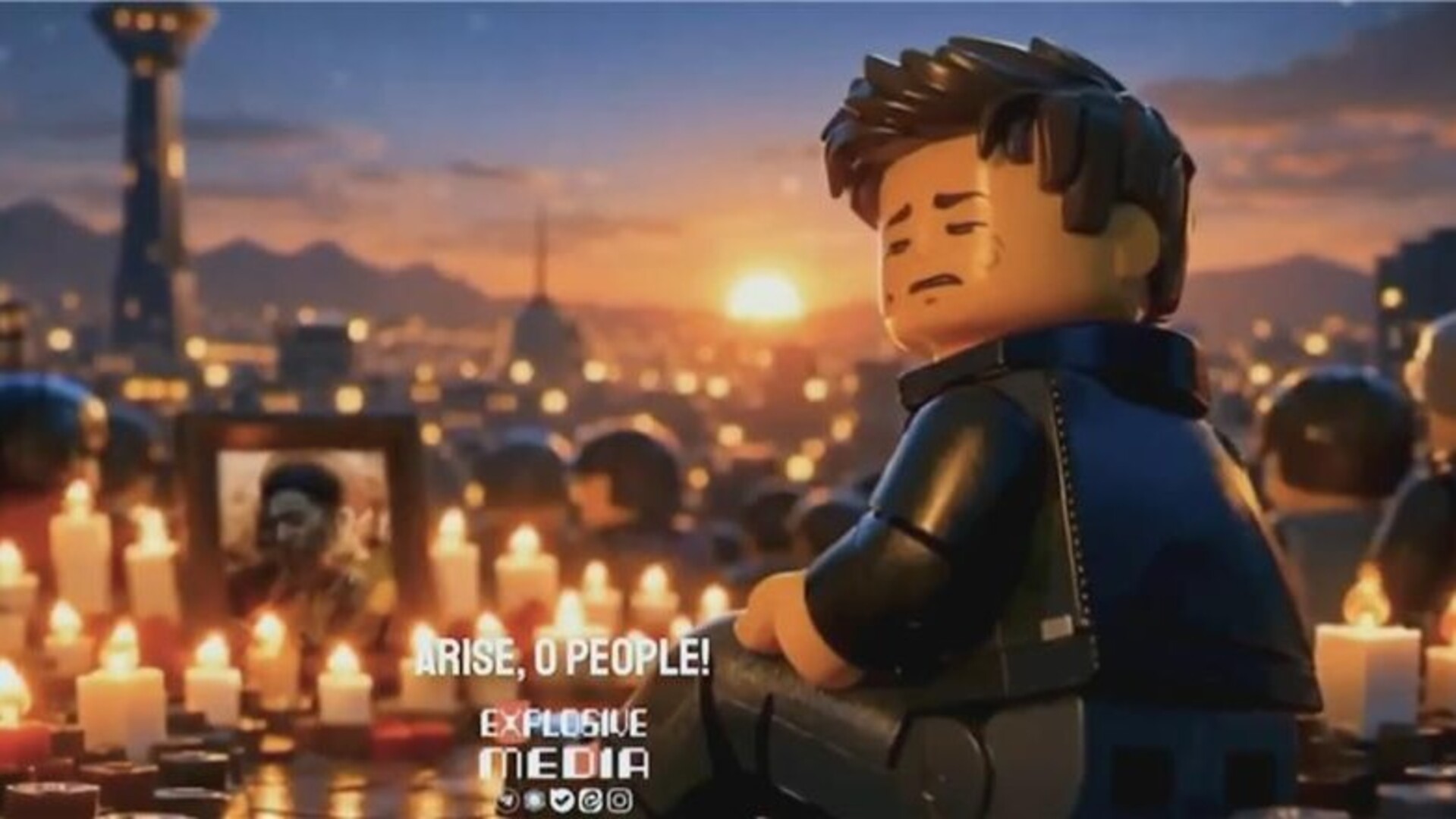
In a concerning development at the intersection of media, politics, and children’s entertainment, Iran’s government has deployed an unusual propaganda tool: Lego animations targeting young audiences, according to analysis shared by Sky News contributor Kosha Gada.
The Iranian regime has reportedly embraced stop-motion animation using the popular building blocks to disseminate state-approved messaging, representing a sophisticated evolution in its information warfare strategy. This approach marks a significant shift from traditional propaganda methods toward content specifically designed to appeal to children and families.
“What we’re seeing is the modernization of Iran’s propaganda apparatus,” explained Gada during her Sky News appearance. “By co-opting a beloved children’s toy recognized worldwide, the regime has found a disarming vehicle for its messaging that can bypass the natural skepticism people might have toward more obvious state media.”
The animations reportedly blend entertainment with carefully constructed political narratives that align with the Iranian government’s positions on domestic and international issues. The content appears innocuous at first glance – colorful Lego figures in familiar scenarios – but analysis reveals underlying themes supporting the regime’s worldview and policy objectives.
Media experts note this strategy represents part of a broader global trend where authoritarian governments increasingly target younger demographics through entertainment channels. The technique allows political messaging to reach households in a format parents might perceive as harmless children’s content.
“The genius of using Lego specifically is its universal appeal and legitimacy,” said Dr. Amir Rashidi, a digital rights expert who was not featured in the original report but has previously studied Iranian media tactics. “These are toys found in millions of homes across cultural boundaries. When propaganda appears in this format, it normalizes the messaging in a way traditional channels cannot achieve.”
The Iranian government has significantly expanded its media operations in recent years, developing sophisticated digital strategies that extend well beyond its borders. This effort includes multiple foreign-language news services, social media campaigns, and now, apparently, children’s entertainment.
Western intelligence agencies have long documented Iran’s information operations, which typically focus on promoting anti-Western narratives, supporting regional allies like Hezbollah and Hamas, and justifying the regime’s domestic policies. The Lego animations represent a particularly insidious approach by bringing these messages into family living rooms through seemingly innocent entertainment.
Gada pointed out that the animations demonstrate the regime’s understanding of modern media consumption patterns. “They recognize that today’s children engage primarily through visual, digital content. By meeting young audiences where they are, with content that feels familiar and entertaining, they’re attempting to shape worldviews from an early age.”
This development comes amid heightened tensions between Iran and Western nations over the country’s nuclear program, human rights record, and regional activities. It also coincides with ongoing domestic challenges for the Iranian regime, including economic hardship exacerbated by sanctions and periodic outbreaks of civil unrest.
Media literacy advocates emphasize that this case highlights the importance of helping children develop critical thinking skills when consuming content. “Parents need to be aware that even seemingly innocent toys can be weaponized for propaganda purposes,” noted Claire Thompson, director of a media literacy nonprofit. “Having conversations with children about the content they consume is more important than ever.”
The Lego Group has not been implicated in or connected to these propaganda efforts. Like other globally recognized brands, Lego’s products and imagery have been appropriated without the company’s involvement or approval.
As digital media continues evolving, the line between entertainment and propaganda grows increasingly blurred. Iran’s Lego animations serve as a reminder that in the modern information landscape, even children’s content can serve political purposes, making media literacy an essential skill for viewers of all ages.
Fact Checker
Verify the accuracy of this article using The Disinformation Commission analysis and real-time sources.

8 Comments
This is a concerning development. Using Lego animations to target children with propaganda is a troubling tactic that takes advantage of their vulnerability. Governments should protect young minds, not exploit them for political gain.
I agree, this seems like a sinister attempt to indoctrinate children. Propaganda disguised as entertainment is especially insidious.
While I’m not surprised the Iranian regime would stoop to such tactics, it’s still disappointing to see them weaponize a beloved children’s toy for their own agenda. This goes beyond typical political messaging and crosses an ethical line.
Absolutely. Targeting kids with propaganda is a new low, even for authoritarian governments. This is a disturbing escalation that should be widely condemned.
The use of Lego animations for propaganda is a clever but deeply concerning approach. It demonstrates the regime’s willingness to exploit innocence and exploit young minds for political gain. This raises serious questions about ethics and the protection of children.
Wow, this is a really troubling development. Using Lego as a tool for state propaganda targeted at children is a whole new level of manipulation. It’s a sophisticated tactic that capitalizes on the trust and appeal of a beloved brand. Deeply concerning.
I agree, this is an alarming abuse of a children’s medium for political ends. The Iranian regime is stooping to new lows by co-opting Lego to spread its message.
The Iranian regime’s use of Lego animations for propaganda is a disturbing example of how governments can exploit children’s media for political gain. Weaponizing a beloved toy brand to push state narratives is unethical and should be widely condemned.