


Listen to the article
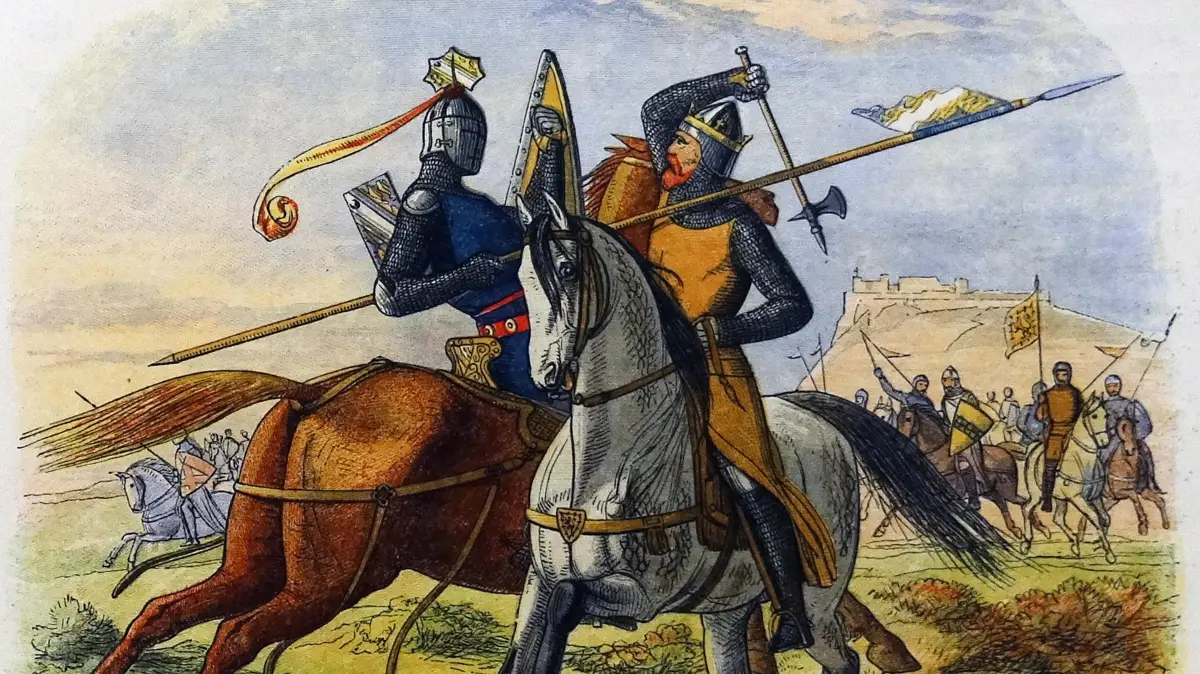
Robert Bruce history panels at a Scottish railway station have sparked controversy, with historians criticizing the displays as historically inaccurate propaganda that romanticizes the medieval king’s legacy.
The interpretive panels, recently installed at Stirling Railway Station, were meant to educate visitors about Scotland’s rich history and the significance of Stirling in Bruce’s campaign for Scottish independence. However, experts have raised serious concerns about factual errors and what they describe as a nationalistic slant in the presentation.
Dr. Michael Brown, a medieval history professor at the University of St. Andrews, pointed out several problematic assertions in the displays. “These panels present an overly simplified version of extremely complex historical events. Bruce is portrayed as an unambiguous hero without acknowledging the nuances of his actions or the political realities of medieval Scotland,” he explained.
The controversy centers particularly on how the panels describe Bruce’s victory at the Battle of Bannockburn in 1314. According to critics, the displays overstate the battle’s immediate impact on Scottish independence and gloss over the fact that the war continued for many years afterward. They also fail to mention Bruce’s earlier shifting allegiances, including periods when he supported the English crown.
Historic Scotland, the heritage agency that collaborated with ScotRail on the project, has defended the panels as appropriate for a public transportation setting where brevity is necessary. A spokesperson stated, “The displays were designed to provide general visitors with an accessible introduction to Bruce’s significance in Scottish history, not as comprehensive academic texts.”
The dispute highlights ongoing tensions in how Scotland’s past is represented in public spaces. Similar controversies have emerged at other historical sites across Scotland in recent years, with academics increasingly concerned about what they see as the politicization of history amid continued debate about Scottish independence.
Stirling Railway Station was chosen for these displays because of its proximity to significant historical sites associated with Bruce, including Bannockburn battlefield and Stirling Castle. Thousands of tourists pass through the station each year en route to these attractions, making it a strategic location for historical interpretation.
Tourism officials have stressed the economic importance of highlighting Scotland’s most famous historical figures. VisitScotland data indicates that heritage tourism generates over £2 billion annually for the Scottish economy, with medieval history being a major draw for international visitors.
However, Professor Sarah Thompson from the University of Edinburgh’s Scottish History department believes there are ways to make history accessible without sacrificing accuracy. “We can tell compelling stories about our past that acknowledge complexity rather than reducing historical figures to one-dimensional heroes or villains,” she said.
The controversy has reignited discussions about who controls the narrative of Scotland’s past and how public history should be presented. Some community members have defended the panels, arguing that they inspire interest in Scottish history among casual visitors who might otherwise bypass historical sites.
Local councilor Hamish Ferguson commented, “Not everything needs to be presented with academic qualifications and caveats. These panels get people interested in our history, which is the first step toward deeper understanding.”
ScotRail has indicated it is reviewing the feedback and may consider revisions to the displays. A company representative noted, “We value historical accuracy while also recognizing our role in promoting Scotland’s heritage to visitors. We’re consulting with a broader range of historians to determine if adjustments would be appropriate.”
The debate reflects broader questions facing heritage organizations worldwide about balancing accessibility with historical accuracy, especially when national identity and politics intersect with interpretations of the past.
As Scotland continues to navigate questions about its constitutional future, how it tells stories about its past remains contentious territory – even in seemingly mundane spaces like railway stations. For now, travelers passing through Stirling will continue to encounter Bruce’s story, albeit one that historians suggest should be read with a critical eye.
Fact Checker
Verify the accuracy of this article using The Disinformation Commission analysis and real-time sources.

11 Comments
As a history enthusiast, I’m disappointed to hear these panels contain factual errors and a biased perspective. Interpreting the past should be done with rigor and objectivity, not to serve a nationalistic agenda. Historians have a responsibility to provide an accurate representation of events.
Well said. Presenting history in a misleading way, even with good intentions, can be just as harmful as outright misinformation. The public deserves access to reliable historical information.
Interesting to see this controversy over the historical panels at Stirling Railway Station. Seems like the displays present a rather one-sided and romanticized view of Robert Bruce and the Battle of Bannockburn. While Bruce was an important figure, the nuances and complexities of medieval Scottish history shouldn’t be glossed over.
I agree, it’s important to present a balanced and well-researched historical account rather than nationalist propaganda. Simplifying complex events can lead to a distorted understanding of the past.
I’m glad to see historians and experts speaking up about the issues with these Robert Bruce panels. Presenting history through a nationalistic lens can be very misleading, even if the intent is to educate the public. I hope the railway station will work to correct the factual errors and provide a more balanced account.
The controversy over these panels highlights the challenges of commemorating historical figures and events. While Robert Bruce was a significant leader, his legacy is nuanced and should be examined critically. I hope the railway station can work with experts to revise the displays in a more balanced and truthful manner.
The controversy over these historical panels highlights the challenges of commemorating the past. While Robert Bruce was an important figure, the displays seem to present a one-sided and romanticized view of his legacy. I hope the station will consult with historians to ensure the information is accurate and contextual.
Agreed. Simplifying complex historical events can lead to a distorted understanding. It’s crucial that public historical displays strive for objectivity and nuance, even if it’s more challenging than a heroic narrative.
It’s concerning to hear that the panels at Stirling Railway Station are being criticized as historically inaccurate propaganda. Presenting history through a nationalistic lens can be very misleading. I hope the station will consult with reputable historians to ensure the information is factual and contextual.
The controversy over these Robert Bruce panels is a good reminder of the importance of historical accuracy and objectivity. While he was an influential figure, portraying Bruce as an unambiguous hero without acknowledging the complexities of medieval Scottish politics is problematic. I hope the station will work to correct the issues raised by experts.
Absolutely. Simplifying historical figures and events can lead to a distorted understanding of the past. It’s crucial that public displays of history present a balanced and well-researched perspective, even if it’s more nuanced than a heroic narrative.