


Listen to the article
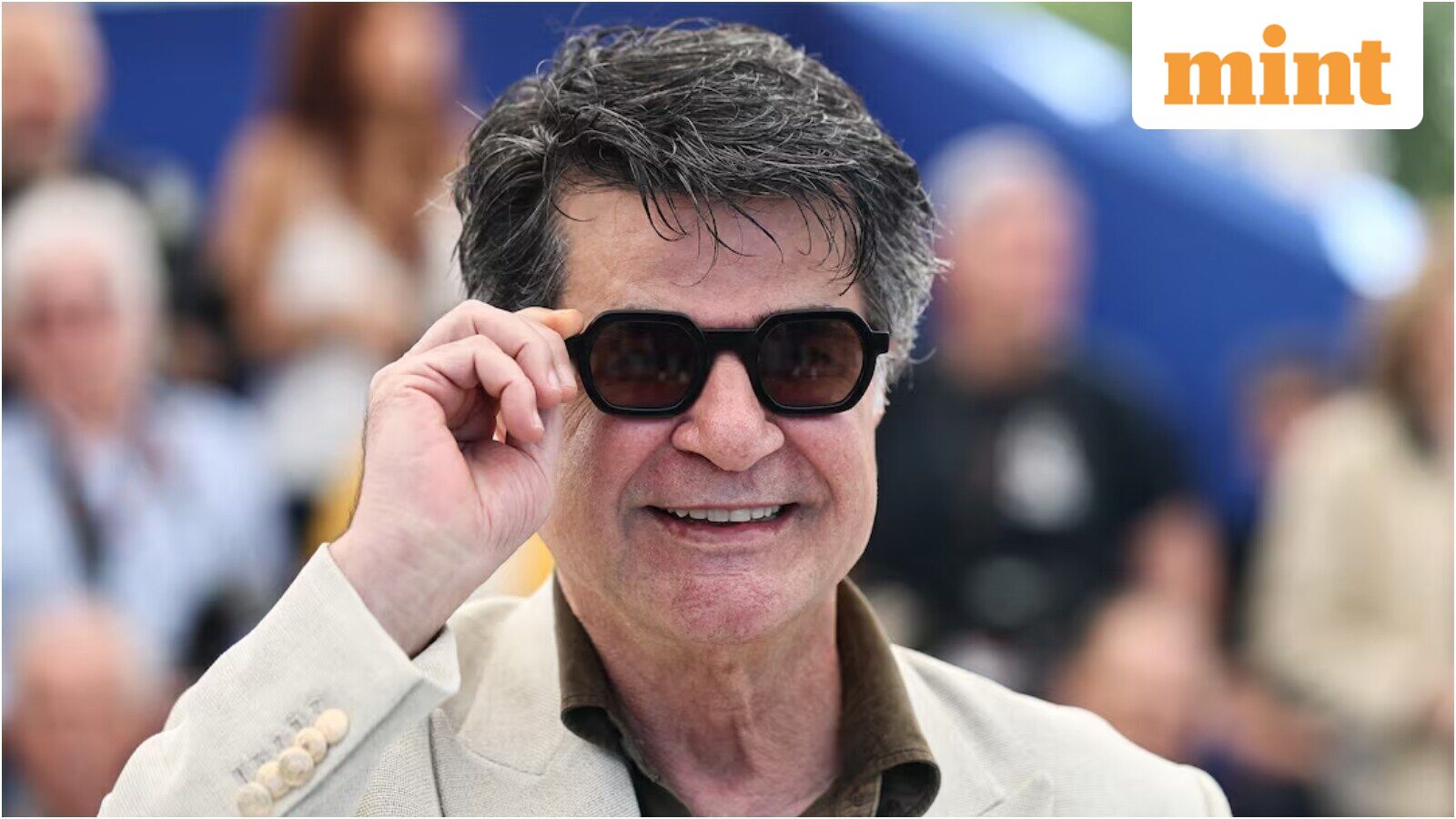
Iranian officials have sentenced acclaimed filmmaker Jafar Panahi to one year in prison, his lawyer confirmed on December 1, 2025. The Tehran Revolutionary Court also imposed a two-year travel ban and prohibited Panahi from joining any political or social organizations.
The ruling was delivered in absentia on charges of “propaganda activities” against the Iranian regime, continuing a long pattern of legal persecution against the internationally renowned director who recently won the prestigious Palme d’Or at the Cannes Film Festival.
This latest sentence represents another chapter in the Iranian government’s troubled relationship with one of its most celebrated artists. Panahi has faced repeated legal challenges over his career, with authorities frequently targeting his work for its subtle criticism of Iranian society and politics.
The filmmaker’s recent Cannes victory had brought renewed international attention to his artistry despite the restrictions he has worked under for years. His winning film, produced despite previous bans on his filmmaking activities, was smuggled out of Iran and celebrated worldwide for its artistic merit and powerful storytelling.
Human rights organizations have already condemned the new sentence, with Amnesty International calling it “a transparent attempt to silence one of Iran’s most important cultural voices.” The Committee to Protect Journalists has urged Iranian authorities to reverse the decision immediately.
Panahi’s lawyer, speaking on condition of anonymity due to the sensitivity of the case, told reporters that the director plans to appeal the ruling but faces significant challenges within Iran’s judicial system. “These charges have no legal merit,” the lawyer stated. “This is politically motivated persecution against an artist for exercising his creative freedom.”
Iran’s Ministry of Culture and Islamic Guidance has not responded to requests for comment on the case, though government officials have previously defended legal actions against filmmakers as necessary measures to protect national security interests.
The sentence comes amid heightened tensions between Iran’s artistic community and government authorities. Several other prominent filmmakers and actors have faced similar charges in recent months, signaling what many observers describe as an intensifying crackdown on cultural expression.
Film industry professionals worldwide have expressed solidarity with Panahi. Martin Scorsese, speaking from New York, called the sentence “an unconscionable attack on artistic freedom,” while the European Film Academy issued a statement demanding Panahi’s immediate exoneration.
Panahi’s unique cinematic style, characterized by a blend of fiction and documentary techniques, has earned him numerous international accolades throughout his career. His films often examine social issues in contemporary Iran, including gender inequality, political repression, and class divisions – themes that have repeatedly drawn the ire of Iranian authorities.
Despite previous filmmaking bans, Panahi has ingeniously continued to create, sometimes shooting in secret with minimal equipment and casting non-professional actors. His 2015 film “Taxi” was famously shot entirely inside a car with dashboard cameras to circumvent restrictions.
The director’s legal troubles began in earnest following Iran’s disputed 2009 presidential election when he was briefly detained for supporting opposition protests. Since then, he has faced multiple arrests, sentences, and periods of house arrest, yet has remained defiantly committed to his art.
Film critics note that Panahi’s ongoing persecution has paradoxically amplified his global influence, turning his personal struggle into a powerful symbol of artistic resistance against censorship. His works are regularly featured in major international film festivals, where empty chairs are sometimes left symbolically to mark his forced absence.
As the international film community rallies in his defense, Panahi’s case has once again highlighted the precarious position of artists in Iran and raised urgent questions about creative freedom under authoritarian regimes worldwide.
Fact Checker
Verify the accuracy of this article using The Disinformation Commission analysis and real-time sources.

16 Comments
The sentencing of Jafar Panahi is a troubling sign of the Iranian government’s continued crackdown on artistic freedom and freedom of expression. As a renowned filmmaker, his imprisonment on propaganda charges is a blatant attack on cultural expression.
It’s disheartening to see the Iranian regime targeting its most celebrated artists in this manner. Panahi’s films have shed light on important social and political issues, which the authorities seem intent on suppressing through these harsh measures.
Jafar Panahi is a celebrated Iranian filmmaker whose films have earned global acclaim for their artistic merit and social commentary. His imprisonment on propaganda charges is a clear attempt by the regime to silence critical voices and restrict creative expression.
This is a deeply concerning development that highlights the Iranian government’s intolerance of dissent and its efforts to control the narrative. Panahi’s work has challenged the status quo, and authorities seem intent on punishing him for it.
Jafar Panahi is one of Iran’s most celebrated directors, with a filmography that has earned global acclaim. His imprisonment on propaganda charges is a clear attempt by authorities to silence critical voices and artistic expression.
It’s disheartening to see Iran cracking down on its cultural icons in this way. Panahi’s films have shed light on important social and political issues, which the government seems intent on suppressing.
The sentencing of Jafar Panahi reflects the Iranian regime’s intolerance of dissent and creative expression that challenges its narratives. This is a serious blow to artistic freedom and human rights in the country.
Sadly, this is part of a broader pattern of the Iranian government targeting and silencing its most renowned artists and intellectuals. It’s a worrying trend that deserves greater international attention and condemnation.
The sentencing of Jafar Panahi is a troubling escalation in the Iranian regime’s crackdown on dissent and free expression. As a renowned filmmaker, his imprisonment on propaganda charges is a blatant attack on artistic freedom.
Sadly, this is part of a larger pattern of the Iranian government targeting its most prominent cultural figures. Panahi’s work has shed important light on social and political issues, which the authorities seem determined to suppress.
Jafar Panahi is one of Iran’s most acclaimed filmmakers, known for his powerful social commentary. His imprisonment on propaganda charges is a blatant attempt by authorities to stifle critical voices and artistic expression.
It’s deeply concerning to see the Iranian government continue to persecute its leading cultural figures in this manner. Panahi’s work has earned him global recognition, and he should not face such harsh punishment for exercising his creative freedom.
Jafar Panahi is a celebrated Iranian filmmaker whose work has earned global recognition for its artistic merit and social commentary. His imprisonment on propaganda charges is a concerning development that highlights the Iranian government’s intolerance of critical voices and creative expression.
This is a worrying trend that deserves greater international attention and condemnation. The Iranian regime’s ongoing persecution of its leading cultural figures, like Panahi, is a serious violation of artistic freedom and human rights.
This is a troubling development for artistic freedom in Iran. Jafar Panahi is a renowned filmmaker whose films offer important social commentary. Imprisoning him for ‘propaganda’ is an abuse of power and a blow to cultural expression.
I agree, the Iranian government’s ongoing persecution of Panahi is deeply concerning. Artists should not face such harsh penalties for their creative work, even if it critiques the regime.