


Listen to the article
Acclaimed Iranian Director Jafar Panahi Sentenced to Prison in Absentia
Iranian authorities have sentenced internationally acclaimed film-maker Jafar Panahi to one year in prison and imposed a travel ban on charges of “propaganda activities” against the state. The 65-year-old director, who is currently outside Iran, was tried and sentenced in absentia, according to his lawyer Mostafa Nili.
The sentence includes a two-year ban on leaving Iran and prohibits Panahi from membership in any political or social organizations. Nili confirmed they will appeal the ruling but did not provide specific details about the alleged propaganda activities that led to the conviction.
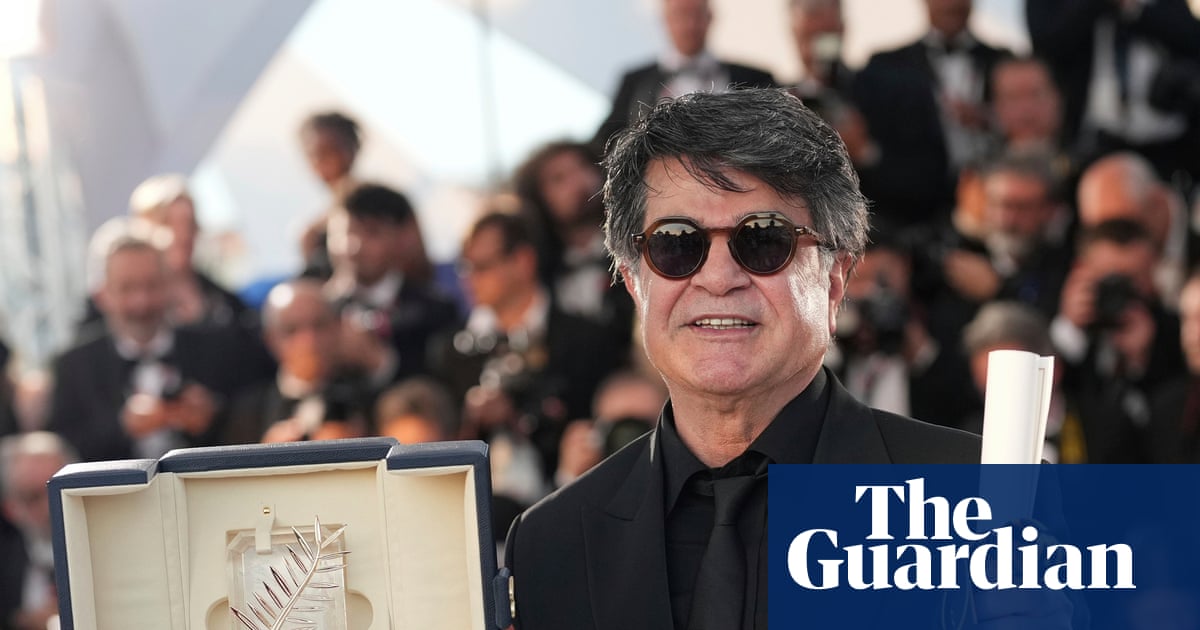
Panahi has achieved remarkable international recognition this year, winning the prestigious Palme d’Or at the Cannes Film Festival for his latest work “It Was Just an Accident.” The film follows five former inmates who contemplate revenge against a man they believe was their former jailer, a narrative that reflects Panahi’s own experiences with Iran’s justice system.
Just last month, the director completed a promotional tour in the United States, making appearances in Los Angeles, New York, and Telluride, Colorado, to support his Oscar-hopeful film. In a significant endorsement of his work, France selected “It Was Just an Accident” as its official nomination for the Academy Awards, where it is widely expected to make the shortlist for best international feature at next March’s ceremony.
Panahi’s complex relationship with Iranian authorities spans decades. Despite his international acclaim, which Iranian media occasionally celebrates, he has faced persistent persecution at home. In 2010, he was banned from making films and leaving Iran after supporting mass anti-government protests the previous year. Convicted of “propaganda against the system,” he received a six-year prison sentence but served only two months before being released on bail.
The director has continuously found creative ways to circumvent restrictions on his art. In 2011, a year after being handed a 20-year ban on filmmaking, he smuggled out a documentary titled “This is Not a Film” to the Cannes festival on a flash drive hidden inside a cake. His 2015 film “Taxi” was shot entirely inside a car with Panahi himself playing a taxi driver.
Panahi’s career began with international recognition when his debut film “The White Balloon” won an award for best first feature at Cannes in 1995. Since then, he has accumulated numerous prizes at European film festivals, cementing his reputation as one of Iran’s most significant cinematic voices.
The sentence comes amid Iran’s ongoing scrutiny of filmmakers, celebrities, and media figures whose work might be interpreted as critical of the regime. The Iranian government closely monitors creative output, regularly reviewing content for material deemed critical of the country or its policies.
This pattern of persecution has driven other prominent Iranian filmmakers into exile. Last year, multi-award-winning director Mohammad Rasoulof fled Iran to escape imprisonment on charges of “collusion against national security.”
The case highlights the continuing tensions between Iran’s internationally celebrated film industry and the government’s restrictions on artistic expression. Despite facing years of legal challenges and limitations on his work, Panahi has managed to maintain a significant global presence through his powerful, socially conscious films that often indirectly comment on life in contemporary Iran.
As Panahi remains abroad and his legal team prepares an appeal, the international film community watches closely, concerned about the fate of one of world cinema’s most distinctive and resilient voices.
Fact Checker
Verify the accuracy of this article using The Disinformation Commission analysis and real-time sources.

14 Comments
Jafar Panahi is a renowned filmmaker whose work has brought international attention to social and political issues in Iran. Sentencing him to prison on vague ‘propaganda’ charges is a concerning violation of free expression.
I agree, this is a troubling development that undermines artistic freedom and the free flow of ideas. The Iranian government should respect Panahi’s right to create without fear of reprisal.
This is a disappointing decision that appears to be politically motivated. Panahi’s films have provided nuanced perspectives on Iranian society, and imprisoning him for ‘propaganda’ is an attack on creative expression.
Sadly, this is part of a broader pattern of the Iranian government cracking down on dissent and critical voices. The international community should pressure Iran to respect the rights of artists and journalists.
While the Iranian government claims Panahi engaged in ‘propaganda activities,’ his films have been widely acclaimed for their artistry and social commentary. This sentence seems to be an attempt to stifle critical voices and artistic freedom.
I hope the Iranian authorities will reconsider this decision and allow Panahi to continue his important work without fear of retaliation. Artists should not be punished for expressing their views through their craft.
This is a troubling development that appears to be an attempt by the Iranian government to silence critical voices and restrict artistic expression. Panahi’s films have shed light on important social issues, and he should not be imprisoned for his work.
I agree, this is a concerning violation of free speech and creative freedom. The international community should condemn this action and call for Panahi’s immediate release.
Panahi’s imprisonment is another example of the Iranian government’s crackdown on dissent and creative expression. His films have provided an important window into the lived experiences of Iranians, and this sentence appears to be politically motivated.
It’s deeply troubling that Iran continues to imprison artists and journalists for their work. The international community should condemn this action and demand Panahi’s immediate release.
Jafar Panahi is a celebrated filmmaker whose work has earned global recognition. Sentencing him to prison on charges of ‘propaganda activities’ is a concerning restriction of artistic freedom and free speech.
I hope the Iranian authorities will reconsider this decision and allow Panahi to continue his important work without fear of reprisal. Artists should not be punished for expressing their views through their craft.
This is a concerning development for freedom of expression in Iran. Jafar Panahi is an acclaimed filmmaker whose work has shed light on important social issues. Sentencing him to prison on propaganda charges seems to be an attempt to silence critical voices.
I agree, this is a disturbing violation of artistic freedom. The Iranian authorities should reconsider this conviction and allow Panahi to continue his important work without fear of reprisal.