


Listen to the article
U.S. Immigration Agency Forced to Remove Video Featuring The Cure’s Music
The U.S. Immigration and Customs Enforcement (ICE) has been compelled to remove a controversial video from its social media platforms after unauthorized use of The Cure’s 1992 hit single “Friday I’m In Love.” The video was taken down following a Digital Millennium Copyright Act (DMCA) takedown request, according to music publication NME.
The promotional clip, titled “Life After All Criminal Aliens Are Deported,” featured a montage of unrelated footage including fast cars, scenes from the TV show Twin Peaks, and images of former President Donald Trump. While the video has been removed from X (formerly Twitter) and muted on Instagram, reports indicate it remained available on the Department of Homeland Security’s Facebook page as of publication time.
This incident marks the latest in a series of clashes between government agencies and musicians over unauthorized use of their work. Just recently, the White House faced criticism from fans of British singer Jess Glynne for using one of her songs in content that critics claimed mocked immigrants.
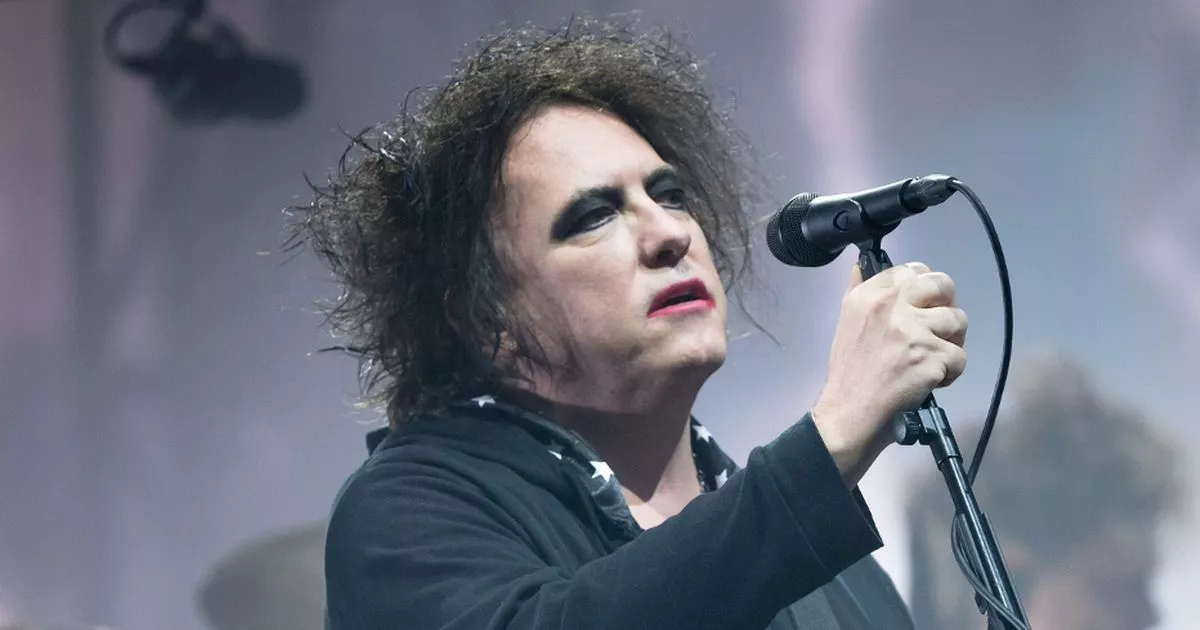
The Cure has not yet issued an official statement regarding the unauthorized use of their music, but fans of the iconic British rock band have expressed support for the takedown on social media. One supporter wrote on X: “MAGA fascists need to stick with their own s—– Ted Nugent/Kids Rock music and leave good music out of their propaganda.” Another simply stated: “F— yeah, Robert!” in reference to The Cure’s frontman Robert Smith.
The controversy extends beyond The Cure, highlighting growing tension between the entertainment industry and immigration authorities. At a California concert on Friday, pop singer Chappell Roan explicitly denounced ICE during her performance, receiving enthusiastic applause from the audience. One concertgoer later commented on TikTok: “She said what a lot of us have felt. People screamed louder after that line than they did for the chorus of Pink Pony Club.”
In response to Roan’s remarks, Department of Homeland Security Assistant Secretary for Public Affairs Tricia McLaughlin issued a statement to TMZ defending the agency’s work: “Pink Pony Club is good. Pedophiles are bad. That’s who we’re getting off of our streets. Get a grip.”
The musical pushback against immigration enforcement policies appears to be gaining momentum. Chance the Rapper also reportedly exclaimed “F— ICE” during his Chicago performance on Friday night while performing his song “Drapetomania.” The comment resonated with many attendees, including one fan who shared on Reddit: “I’m an Asian woman but on a green card; it’s scary outside.”
This incident raises broader questions about the intersection of intellectual property rights, artistic expression, and government messaging. Federal agencies must secure proper licensing when using copyrighted material for promotional content, a step that appears to have been overlooked in this case.
The unauthorized use of popular music in political or governmental messaging has become increasingly contentious in recent years, with many artists actively distancing themselves from uses they view as contrary to their values or damaging to their brand.
The Mirror US reportedly reached out to representatives for both The Cure and the Department of Homeland Security for comment on the situation, but responses were not included in the initial report.
Fact Checker
Verify the accuracy of this article using The Disinformation Commission analysis and real-time sources.

9 Comments
Interesting situation with the ICE video. While I understand the desire for government agencies to use popular media, unauthorized use of copyrighted music is clearly problematic. The Cure should have been consulted first before their song was used in this manner.
Agreed. Copyright infringement is a serious issue, even for government bodies. ICE should have secured the proper permissions before using The Cure’s music.
The whole situation with the ICE video and The Cure’s music is a bit of a mess. Government agencies need to be more mindful of intellectual property rights, even if they feel the content serves an important purpose. Respecting artists’ work should be a top priority.
The use of The Cure’s music in this ICE video seems quite inappropriate and tone-deaf. Leveraging a beloved 80s track to promote a controversial government policy is a questionable tactic at best. I’m glad the band pushed back and got the video removed.
Agreed, the pairing of that upbeat Cure song with the ICE video content was a very poor creative decision. The band was right to assert their intellectual property rights in this case.
While I understand the desire to create an engaging promotional video, ICE’s unauthorized use of The Cure’s music was a misstep. Copyright holders should have a say in how their work is used, especially for government messaging around sensitive immigration topics.
Absolutely. Creative agencies working with government clients need to be very diligent about securing proper licensing and permissions, to avoid these kinds of copyright conflicts.
This highlights the challenges government agencies face in creating effective multimedia content. While the message may have been well-intentioned, the unauthorized use of a popular song undermines their credibility. Moving forward, they’ll need to be more mindful of intellectual property rights.
You make a good point. Government agencies should set a positive example when it comes to respecting copyrights and following proper licensing procedures.