


Listen to the article
The Evolving Conversation Around Menstrual Cycles: Progress and Pitfalls
In recent years, public discourse about menstruation has undergone a significant transformation. What was once simplified as a monthly occurrence is increasingly being recognized as part of a complex hormonal cycle affecting energy, mood, and physical well-being. This shift represents progress in understanding women’s health, but it also carries potential pitfalls that mirror historical misconceptions.
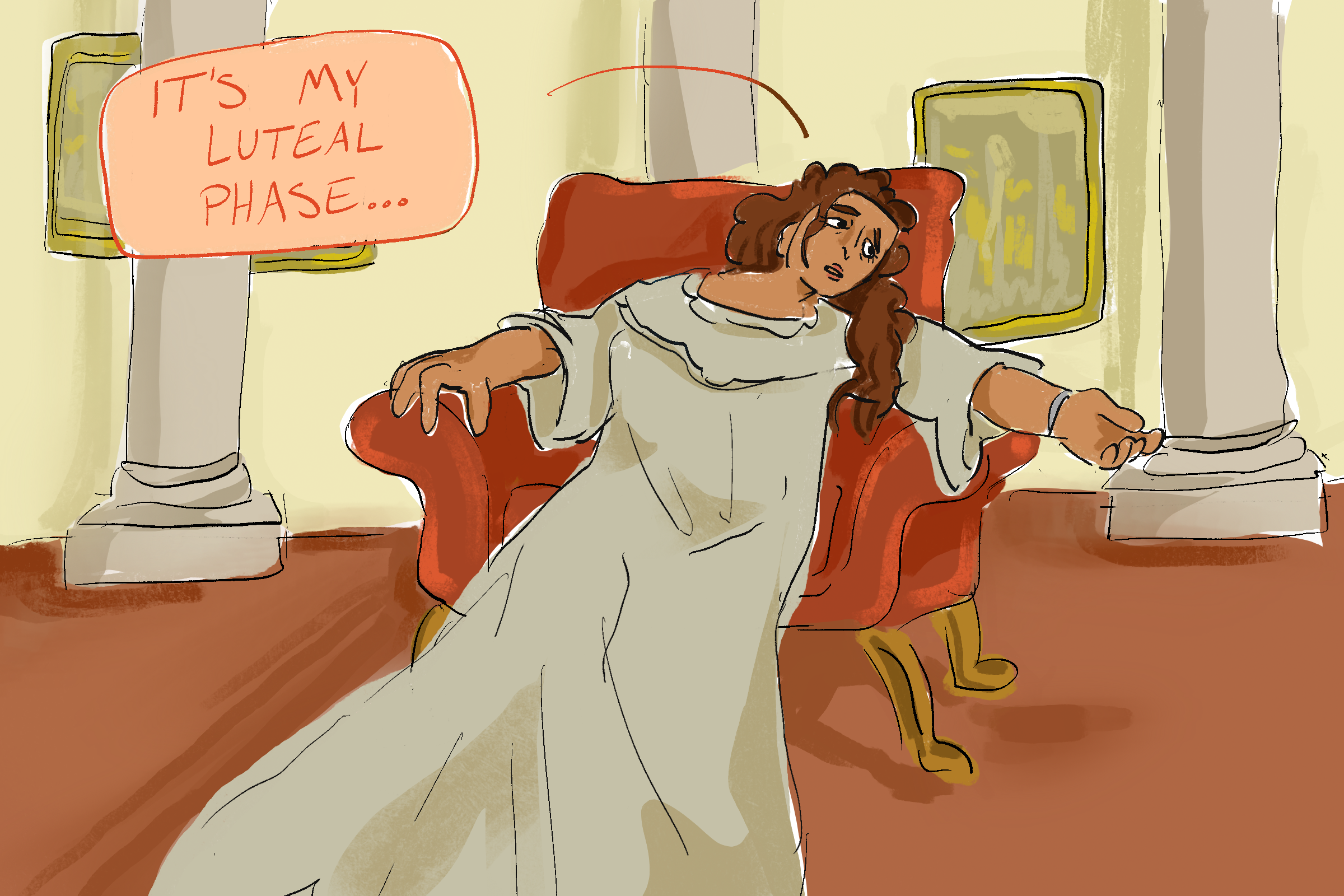
The typical menstrual cycle follows a predictable pattern: beginning with menstruation when estrogen and progesterone levels are low, often accompanied by decreased energy and sometimes feelings of sadness. This is followed by the follicular phase, characterized by rising estrogen levels that often bring improved mood, energy, and focus. These positive sensations typically peak during ovulation when estrogen reaches its highest point. The cycle concludes with the luteal phase, during which progesterone rises while estrogen decreases, potentially causing irritability, mood swings, and premenstrual syndrome symptoms for some individuals.
However, this standard description vastly oversimplifies the menstrual experience. Variations in hormones, physical activity, stress levels, and countless other factors create diverse experiences that can’t be neatly categorized into distinct phases with predictable effects.
The growing trend of cycle-syncing—adjusting diet, exercise, and activities according to menstrual phases—has gained popularity through social media influencers and wellness platforms. While this approach acknowledges the reality of hormonal fluctuations, it sometimes lacks scientific rigor.
“To say with any certainty that your period is making you weak has less scientific backing than many believe,” notes research in the field. Studies have found that menstrual cycle phases don’t significantly affect strength training or cognitive abilities in the ways often claimed by wellness influencers. This uncertainty stems partly from the historical exclusion of female bodies from clinical trials, creating substantial knowledge gaps in women’s health research.
The normalization of menstrual cycle discussions represents important progress. Open conversations about previously taboo bodily functions help destigmatize menstruation and create space for those experiencing difficulties to seek support. However, when these conversations overemphasize hormonal influences on behavior or capabilities, they risk reinforcing harmful stereotypes that have historically been used to question women’s competence.
Throughout medical history, women’s health complaints were often dismissed as “hysteria,” a diagnosis that persisted from ancient times until surprisingly recently—the American Psychiatric Association only removed it from The Diagnostic and Statistical Manual of Mental Disorders in 1980. The concept of a “wandering womb” causing physical and mental distress was eventually replaced with hormone-based explanations that often served the same purpose: positioning female bodies as inherently unstable and less capable.
When modern conversations attribute every mood swing to hormonal fluctuations or suggest that certain phases make women less capable of specific tasks, they inadvertently echo these problematic historical perspectives. Such frameworks can be weaponized to question women’s leadership capabilities or professional competence based on presumed “emotionality.”
Additionally, framing menstruation as an essentially female experience creates problems for gender inclusivity. Not all women menstruate, and not all who menstruate identify as women. The equation of womanhood with menstruation oversimplifies both biological reality and gender identity.
The current evolution in menstrual discourse represents meaningful progress. Understanding individual cycle patterns helps people work with their bodies rather than against them, potentially improving well-being and reducing unnecessary suffering. However, this framework requires continued refinement based on emerging research rather than assumptions or oversimplifications.
Moving forward, the challenge lies in maintaining open conversations about menstrual experiences while avoiding reductive biological determinism. By acknowledging both the reality of hormonal influences and the complexity of individual experiences, we can develop more nuanced understandings that support health without reinforcing harmful stereotypes. This balanced approach promises a more equitable future where biological functions no longer serve as the basis for gender-based prejudice.
Fact Checker
Verify the accuracy of this article using The Disinformation Commission analysis and real-time sources.

12 Comments
The article rightly points out the pitfalls of historical misconceptions about menstruation. Progress in understanding women’s health is vital, but requires careful examination of the facts.
Yes, this topic deserves a thoughtful, evidence-based approach to avoid perpetuating outdated stereotypes. Nuance is key.
The article rightly points out that the typical description of the menstrual cycle can be an oversimplification. Embracing the complexity is crucial for progress.
Absolutely. Nuance and open-mindedness are essential when addressing sensitive topics like women’s health.
Appreciating the intricacies of the menstrual cycle is an important step towards destigmatizing and empowering discussions around women’s health.
Well said. Fact-based, compassionate dialogue is crucial for advancing our understanding of this natural biological process.
Interesting article on the complex hormonal changes during the menstrual cycle. It’s important to separate fact from fiction and understand the nuances of this natural biological process.
Agreed. Oversimplification can lead to harmful misconceptions. An open and informed discussion is crucial for women’s health.
While the menstrual cycle follows a general pattern, individual experiences can vary greatly. Recognizing this diversity is an important step forward.
Absolutely. Avoiding a one-size-fits-all narrative is crucial for supporting women’s health in a meaningful way.
The article highlights the need to understand the complex hormonal changes during the luteal phase. This knowledge can help address common issues like PMS more effectively.
Agreed. Deeper insight into the nuances of the menstrual cycle is key to improving women’s overall well-being.