


Listen to the article
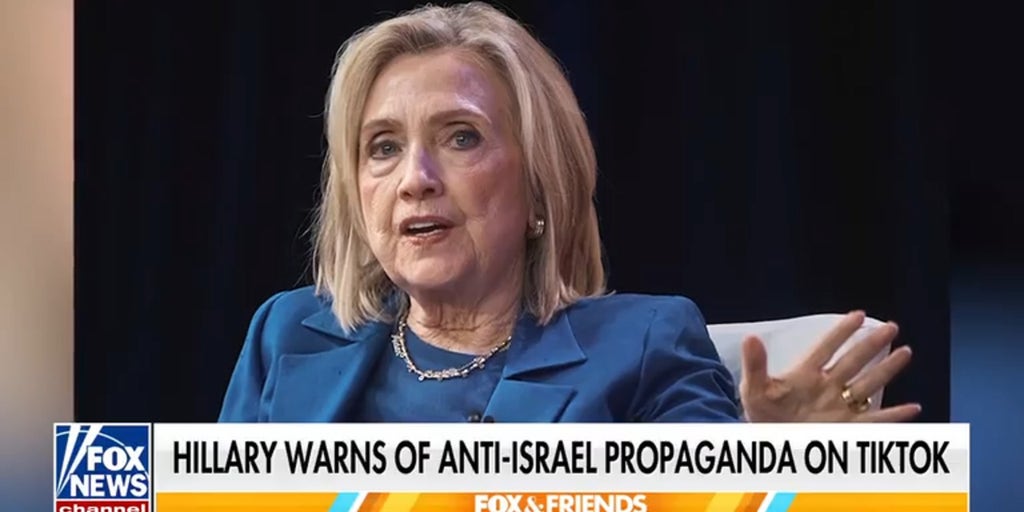
Former Secretary of State Hillary Clinton has issued a stark warning about the effects of social media on young people, characterizing much of the content they consume as “pure propaganda” that threatens their ability to distinguish fact from fiction.
Speaking at a recent event focused on digital literacy and media influence, Clinton expressed grave concerns about how social platforms are reshaping the information landscape for America’s youth. She emphasized that the algorithmic nature of social media creates personalized echo chambers that can distort reality.
“What we’re seeing now is deeply troubling,” Clinton said. “Young people are bombarded with content designed to engage rather than inform, and much of it amounts to pure propaganda that skews their understanding of critical issues.”
The former Democratic presidential nominee pointed to research showing that teenagers spend an average of seven hours daily on digital devices, with social media consuming a significant portion of that time. This extensive exposure, Clinton argued, is fundamentally altering how young people process information and form opinions.
Her comments come amid growing national concern about social media’s impact on mental health and civic discourse. Recent congressional hearings have put tech executives under increasing scrutiny regarding their platforms’ effects on youth well-being, with bipartisan calls for greater regulation of social media companies.
Media literacy experts have echoed Clinton’s concerns. Dr. Renee Hobbs, professor of communication studies at the University of Rhode Island, noted that “the blurring of entertainment, information, and persuasion on social platforms creates a perfect storm where distinguishing credible sources from misleading content becomes increasingly difficult for young users.”
Clinton’s warnings also reflect broader tensions between traditional media gatekeepers and the democratized information landscape of social platforms. While social media has given voice to previously marginalized perspectives, it has simultaneously created new challenges in information verification and accountability.
Tech industry representatives have pushed back against characterizations that their platforms are predominantly harmful. Meta spokesperson Jessica Meyers responded to general criticism by highlighting the company’s investments in content moderation and safety features, stating that “we take our responsibility to young users seriously and have implemented numerous tools to help teens and parents navigate digital spaces safely.”
The debate over social media’s influence has significant political dimensions as well. Conservative voices have frequently accused platforms of censorship and bias against right-leaning viewpoints, while progressives have criticized tech companies for not doing enough to combat misinformation and hate speech.
Clinton acknowledged these partisan divisions but emphasized that concern for young people’s information environment should transcend political boundaries. “This isn’t about liberal or conservative values – it’s about ensuring the next generation can participate in democracy with a shared understanding of basic facts,” she said.
Education policy experts suggest that strengthening media literacy programs in schools could help mitigate social media’s negative effects. The National Association for Media Literacy Education has called for comprehensive digital citizenship curricula beginning in elementary school.
Clinton also addressed the global dimensions of the issue, noting that social media propaganda doesn’t respect national boundaries. She pointed to examples of coordinated disinformation campaigns originating overseas that specifically target American youth through platforms like TikTok and Instagram.
“What we’re dealing with is an unprecedented experiment in how information shapes developing minds,” Clinton concluded. “And we need a comprehensive approach from parents, educators, tech companies, and policymakers to ensure that young people develop the critical thinking skills needed to navigate this complex landscape.”
As debates about social media regulation continue in Washington and state capitals across the country, Clinton’s comments highlight the growing consensus that the status quo presents significant risks to young Americans’ civic development – even as solutions remain elusive and politically contentious.
Fact Checker
Verify the accuracy of this article using The Disinformation Commission analysis and real-time sources.

7 Comments
This is a complex issue without easy answers. Clinton is right to sound the alarm, but addressing social media’s impact on youth will require a multi-faceted approach from various stakeholders.
I agree that young people are spending an alarming amount of time on social media, which can skew their understanding of important issues. Promoting critical thinking and fact-checking skills is crucial to combat the spread of propaganda.
This is a concerning issue. Social media’s algorithmic nature can create echo chambers and distort reality, especially for impressionable youth. Clinton raises valid points about the need to cultivate digital literacy and media awareness.
While I’m sympathetic to Clinton’s concerns, I question whether her solutions will be effective. Social media’s impact on youth is deeply rooted in broader cultural and technological shifts that require nuanced responses.
Clinton’s comments reinforce the need for greater transparency and accountability from social media platforms. Algorithmic curation and targeted advertising must be scrutinized to protect vulnerable users.
While I appreciate Clinton’s candid remarks, I wonder what concrete solutions she proposes to empower youth and mitigate the harmful effects of social media propaganda. Improving digital education seems like a logical first step.
Clinton’s warning highlights the broader societal impact of social media’s influence on younger generations. Policymakers and tech companies must work together to address these challenges and ensure a healthier media landscape.