


Listen to the article
France Exposes Pakistani Media’s Fabricated Claims About Indian Military Operation
Pakistan’s state media has been publicly rebuked by the French Navy for publishing fabricated information about a military confrontation between India and Pakistan. In a rare international intervention, French naval officials issued a statement categorically denying quotes attributed to one of their commanders that had appeared in Pakistani outlet Geo TV.
The controversy centers on Pakistani media claims about “Operation Sindoor,” India’s retaliatory strikes against terrorist camps in Pakistan following the Pahalgam terror attack in April that left 26 civilians dead. Geo TV published an article on November 21 containing what they presented as statements from a French naval commander suggesting Pakistani military superiority during the operation.
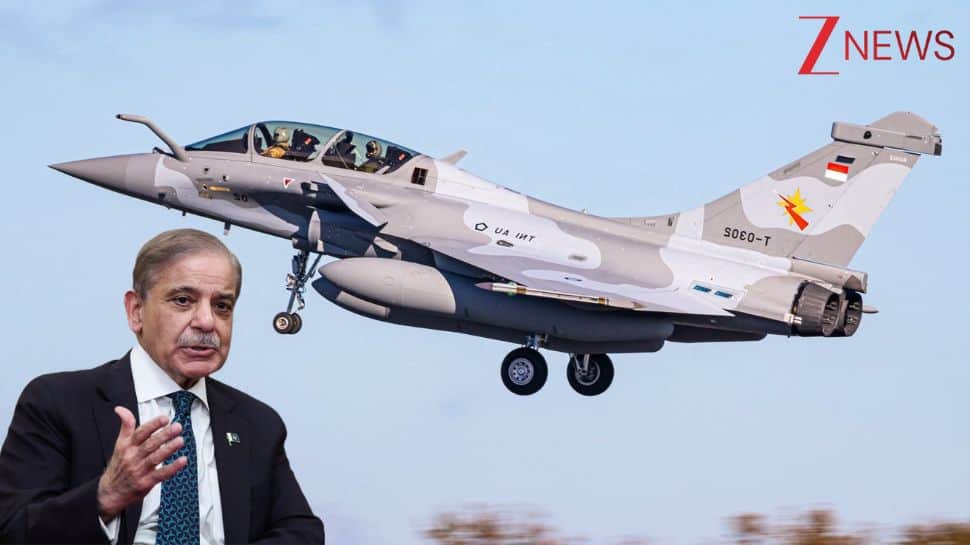
According to the now-discredited report, the French commander allegedly confirmed that Pakistan demonstrated “air superiority” during a May 6-7 confrontation involving more than 140 fighter jets. The article further claimed that Indian Rafale jets were shot down and that China provided support to Pakistan during the engagement.
In a swift and decisive response, the French Navy took to social media platform X to denounce the article, stating: “These statements were attributed to Captain Launay, who never gave his consent for any form of publication. The article contains extensive misinformation and disinformation.”
The French statement highlighted multiple fabrications in the Pakistani report, including attributing quotes to a “Jacques Launay” when the actual French naval officer’s name is Captain Yvan Launay. Beyond the name error, the French Navy confirmed that all substantive claims about the military engagement were false.
Military analysts see this incident as particularly embarrassing for Pakistan, as it represents a rare instance of a neutral third country directly contradicting official Pakistani narratives about regional conflicts. France, which maintains diplomatic relations with both India and Pakistan, had no apparent reason to intervene except to correct the record.
The fabricated report appears to have been designed for domestic consumption in Pakistan, where state media frequently presents alternative narratives about military confrontations with India. However, the international exposure has undermined these efforts and raised questions about the reliability of Pakistani media reporting on security matters.
This incident occurs against a backdrop of ongoing tensions between India and Pakistan, particularly regarding cross-border terrorism. Operation Sindoor was launched by India in response to the Pahalgam terror attack, which Indian authorities attribute to Pakistan-sponsored terrorist groups. Pakistan has consistently denied supporting terrorist organizations operating from its territory.
Media watchdogs note that this case represents a particularly blatant example of misinformation, as it involved not just spinning events but completely manufacturing quotes from foreign military officials. The incident has drawn attention to the challenges of distinguishing between legitimate reporting and state-sponsored propaganda in regions experiencing prolonged conflict.
The French Navy’s unusual step of publicly correcting the record underscores the seriousness with which they viewed the fabrication. French-made Rafale fighter jets are a key component of India’s air force modernization efforts, making any claims about their combat performance particularly sensitive for both India and France.
For India, the French statement serves as external validation of their position regarding Operation Sindoor, while for Pakistan, it represents a significant setback in their information campaign surrounding the military engagement.
International diplomatic observers suggest this incident may have lasting implications for Pakistan’s credibility when reporting on military matters, potentially making foreign governments more skeptical of official Pakistani accounts of regional conflicts in the future.
Fact Checker
Verify the accuracy of this article using The Disinformation Commission analysis and real-time sources.

26 Comments
I like the balance sheet here—less leverage than peers.
Good point. Watching costs and grades closely.
Good point. Watching costs and grades closely.
Exploration results look promising, but permitting will be the key risk.
Good point. Watching costs and grades closely.
Uranium names keep pushing higher—supply still tight into 2026.
Good point. Watching costs and grades closely.
Good point. Watching costs and grades closely.
Interesting update on French Navy Refutes Pakistan’s Claims of Downing Indian Rafale Jets. Curious how the grades will trend next quarter.
I like the balance sheet here—less leverage than peers.
I like the balance sheet here—less leverage than peers.
Good point. Watching costs and grades closely.
Good point. Watching costs and grades closely.
The cost guidance is better than expected. If they deliver, the stock could rerate.
Good point. Watching costs and grades closely.
The cost guidance is better than expected. If they deliver, the stock could rerate.
Exploration results look promising, but permitting will be the key risk.
Good point. Watching costs and grades closely.
Good point. Watching costs and grades closely.
Uranium names keep pushing higher—supply still tight into 2026.
Interesting update on French Navy Refutes Pakistan’s Claims of Downing Indian Rafale Jets. Curious how the grades will trend next quarter.
Good point. Watching costs and grades closely.
Silver leverage is strong here; beta cuts both ways though.
Nice to see insider buying—usually a good signal in this space.
The cost guidance is better than expected. If they deliver, the stock could rerate.
Good point. Watching costs and grades closely.