


Listen to the article
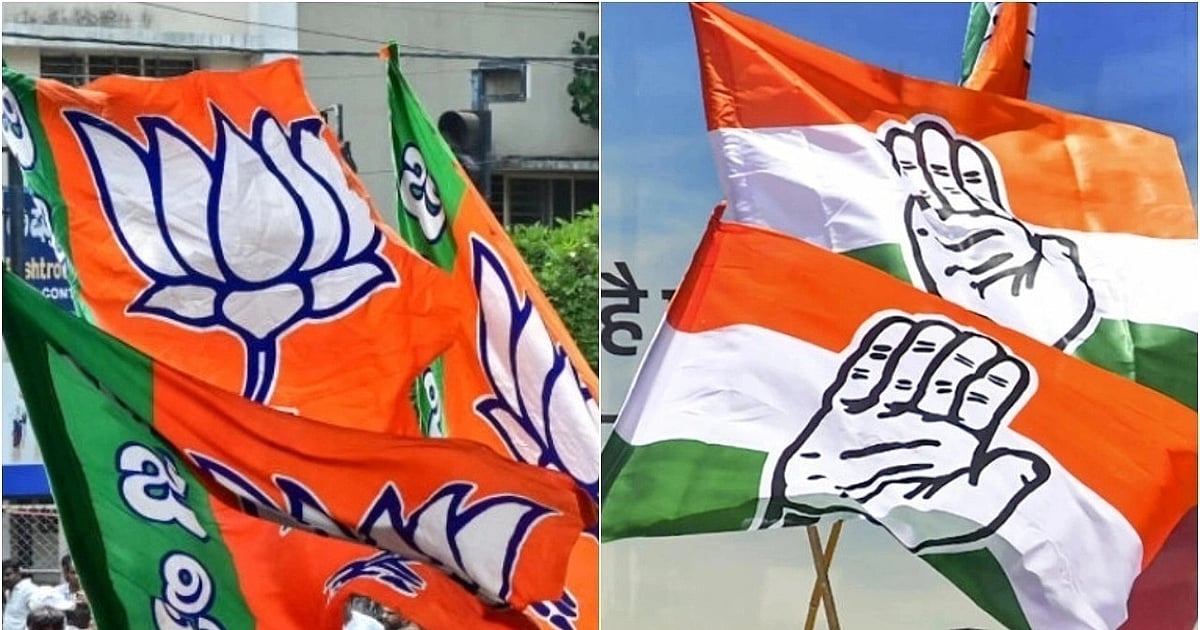
The ruling Bharatiya Janata Party (BJP) outspent the opposition Congress party during the recent elections, according to financial reports analyzed by the Association for Democratic Reforms (ADR).
The analysis, which examined election expenditure statements submitted to the Election Commission of India (ECI), revealed that BJP’s election-related spending reached Rs 57.65 crore, while Congress spent Rs 46.19 crore—a difference of approximately Rs 11.46 crore between India’s two largest political parties.
This spending pattern aligns with the broader trend of increasing election expenditures across India’s political landscape. Political analysts note that campaign costs have been rising steadily over the past decade, reflecting the growing sophistication and reach of political messaging in the world’s largest democracy.
The BJP, which has maintained its position as India’s dominant political force since 2014, has consistently demonstrated superior financial resources compared to its rivals. The party’s robust fundraising mechanisms, including the controversial electoral bonds scheme introduced during its tenure, have contributed significantly to its campaign war chest.
“The spending difference between the two national parties highlights the resource advantage that BJP continues to enjoy,” said Dr. Rajeev Kumar, a political economist at Delhi University. “This disparity in financial capabilities often translates into differences in campaign scale and reach, particularly in digital and traditional media presence.”
The ADR report, which analyzes election finances to promote transparency in India’s democratic processes, did not provide a detailed breakdown of how the funds were allocated. However, typical election expenses include advertising, rallies, transportation, candidate support, and voter outreach programs.
Election finance experts point out that official expenditure reports often represent only a portion of actual campaign spending. “There’s always a significant amount of spending that occurs through indirect channels or isn’t captured in the official statements,” explained Meena Sharma, an election transparency advocate with Citizens for Electoral Accountability.
The financial disparity between the two parties comes at a time when questions about the influence of money in Indian politics have intensified. Recent elections have seen unprecedented spending on digital campaigning, social media management, and data analytics—tools that require substantial financial investment but can significantly influence voter behavior.
For context, India’s 2024 general election was estimated to be the most expensive democratic exercise in the world, with some analysts projecting total spending across all parties to exceed Rs 100,000 crore. This includes both official and unofficial expenditures by parties, candidates, and their supporters.
The Congress party, which has been working to rebuild its organizational structure and financial base since its 2014 national defeat, has consistently raised concerns about what it terms as an “uneven playing field” in election financing. Party spokespersons have previously argued that recent changes to political funding rules, including the now-struck-down electoral bonds scheme, disproportionately benefited the ruling party.
The ECI, which regulates election expenditure, has established spending limits for individual candidates but places no ceiling on how much political parties can spend in total. This regulatory framework has faced criticism from electoral reform advocates who argue it allows unlimited spending by wealthy political organizations.
Financial strength in Indian elections has historically correlated with electoral performance, though not uniformly. Several state elections have seen parties with lesser resources defeating financially stronger opponents through effective grassroots mobilization and regional appeal.
As India moves forward, the question of election finance reform remains central to discussions about democratic integrity. Proposals for more comprehensive disclosure requirements, stricter spending limits, and state-funded elections continue to circulate among policy experts and civil society organizations.
The ADR analysis serves as an important data point in understanding the financial dynamics of Indian elections, while also highlighting the continuing need for transparency in how democracy’s most essential exercise is funded and conducted.
Fact Checker
Verify the accuracy of this article using The Disinformation Commission analysis and real-time sources.

13 Comments
This analysis highlights the need for greater transparency around political spending in India. Voters deserve to have a clear understanding of how parties are funding their campaigns.
I agree, transparency is key. Strengthening campaign finance regulations could help create a more level playing field and restore public trust in the electoral process.
This report provides valuable insights into the financial dynamics of India’s political landscape. Ensuring campaign finance transparency and a level playing field should be a priority for policymakers.
This analysis provides valuable insights into the evolving campaign finance landscape in India. Transparency around political spending is crucial for a healthy democracy.
Interesting to see the spending disparity between the major parties in the Delhi elections. It highlights the importance of campaign finance transparency and level playing field in a healthy democracy.
Agreed, the growing election costs are concerning. Stricter campaign finance regulations could help curb the influence of money in Indian politics.
The disparity in spending between the BJP and Congress in the Delhi elections is noteworthy. However, it’s important to remember that money alone doesn’t determine electoral outcomes, and voters will have the final say.
The rising costs of elections are a concern, as they can create an uneven playing field. Stricter regulations and better enforcement could help address this issue.
Absolutely, ensuring a level playing field for all parties is essential. Stronger campaign finance rules are needed to curb the influence of money in Indian politics.
It’s interesting to see the BJP’s financial edge over Congress in the Delhi elections. However, money alone doesn’t guarantee electoral success, and voters will ultimately decide based on a range of factors.
The BJP’s financial edge is notable, though spending alone doesn’t guarantee electoral success. Voters will ultimately decide based on a range of factors, including policy platforms and local issues.
That’s a fair point. Money is important but not everything in politics. Strong grassroots mobilization and resonating with citizens’ concerns are crucial as well.
The growing election expenditures across India’s political landscape are concerning. Stricter campaign finance regulations and better enforcement could help address this issue and promote a more equitable democratic process.