


Listen to the article
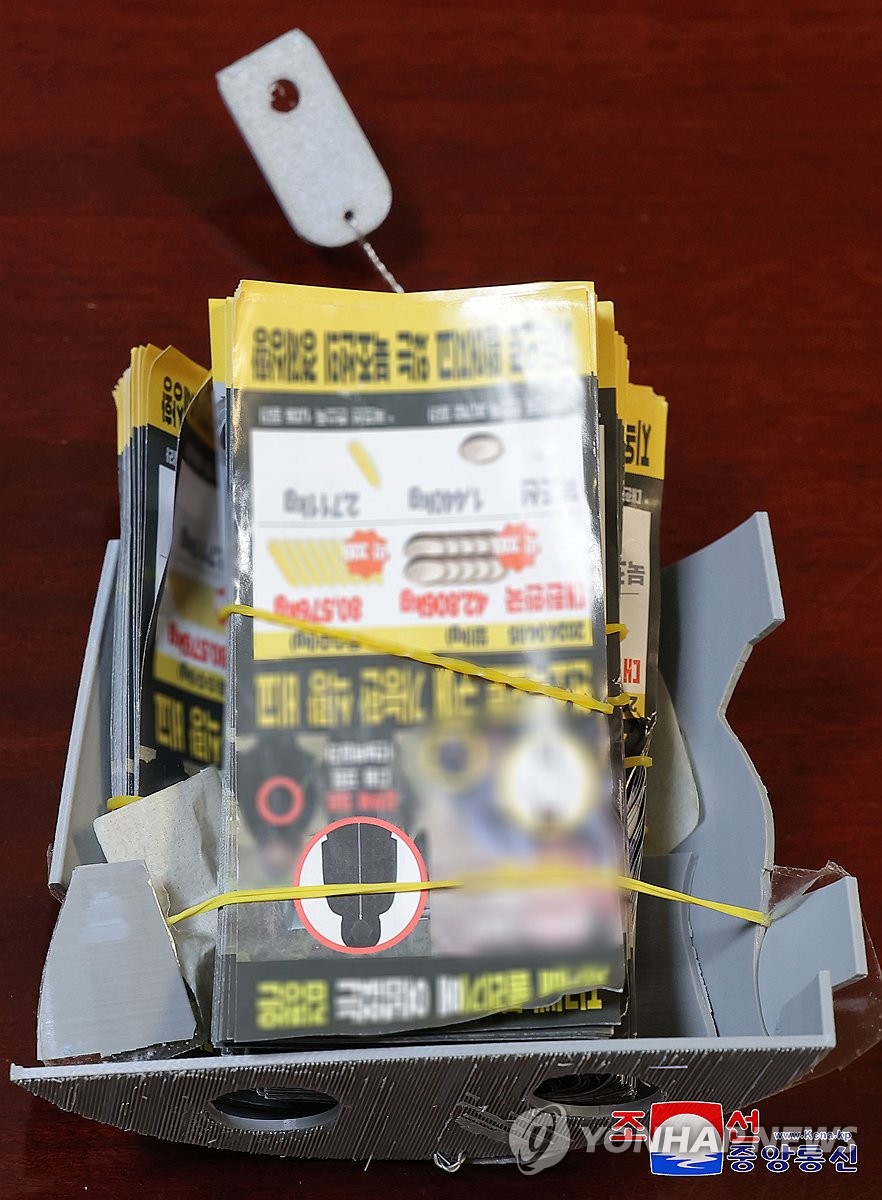
South Korean defense officials have launched an investigation into allegations that a military propaganda unit secretly dispatched anti-Pyongyang leaflets to North Korea during former President Yoon Suk Yeol’s administration, potentially to provoke the Kim Jong-un regime.
The defense ministry confirmed Friday that it has begun questioning both former and current leaders of the defense psychological operation group as part of the probe. Investigators have also conducted on-site examinations at front-line military units operating under the group’s command.
“The ministry has launched the investigation in accordance with orders by the defense minister,” a ministry official told reporters, declining to provide additional details about the ongoing inquiry.
The investigation comes amid a broader government effort to address controversial actions taken during Yoon’s tenure, particularly related to his attempted martial law imposition on December 3 last year. Current officials are seeking to identify and discipline those involved in these disputed decisions.
The allegations first surfaced when a former conscripted soldier who participated in the leaflet operations came forward to South Korean media. According to his account, the military began sending anti-North Korean propaganda materials across the border in October 2023. This timeline is particularly significant as it predates North Korea’s retaliatory campaign of sending thousands of trash-filled balloons into South Korean territory.
The former soldier’s testimony raised troubling questions about whether South Korean military units deliberately attempted to provoke a North Korean attack through these clandestine leafleting operations.
North Korea has historically responded with strong objections to propaganda campaigns targeting its population. The Kim regime views the spread of outside information as a serious threat to its stability and control over the North Korean people. Anti-regime leaflets typically contain information about the outside world, criticisms of the North Korean leadership, and sometimes include practical items like USB drives with South Korean media or small amounts of currency.
The psychological impact of such campaigns extends beyond mere propaganda. North Korean authorities expend significant resources to prevent citizens from accessing unfiltered information about life outside the country. When leaflets land in populated areas, they require rapid response from security forces to collect and destroy the materials before civilians can examine them.
This investigation highlights ongoing tensions in inter-Korean relations, which deteriorated significantly during Yoon’s presidency. His administration took a harder line against North Korea compared to his predecessor Moon Jae-in, who had pursued diplomatic engagement with Pyongyang.
The timing of the probe also coincides with heightened military activities along the Korean peninsula. In recent months, North Korea has intensified its weapons testing program and military exercises near the border, while South Korea has strengthened defense coordination with the United States.
Experts note that psychological operations have long been employed by both Koreas as part of their broader strategic competition. However, unauthorized operations that could potentially trigger military confrontation raise serious questions about command control and decision-making within South Korea’s defense establishment.
The Ministry of Defense has not yet indicated when it expects to complete the investigation or what potential consequences might follow if the allegations are confirmed. Legal experts suggest that if military units conducted unsanctioned operations that endangered national security or violated established protocols, both military and civilian officials could face serious repercussions.
As the investigation proceeds, it adds another complex dimension to South Korea’s delicate balancing act in managing relations with its nuclear-armed neighbor to the north and maintaining stability on the Korean peninsula.
Fact Checker
Verify the accuracy of this article using The Disinformation Commission analysis and real-time sources.

12 Comments
The cost guidance is better than expected. If they deliver, the stock could rerate.
Good point. Watching costs and grades closely.
I like the balance sheet here—less leverage than peers.
Good point. Watching costs and grades closely.
Good point. Watching costs and grades closely.
Nice to see insider buying—usually a good signal in this space.
Good point. Watching costs and grades closely.
The cost guidance is better than expected. If they deliver, the stock could rerate.
Good point. Watching costs and grades closely.
Good point. Watching costs and grades closely.
Production mix shifting toward Propaganda might help margins if metals stay firm.
Good point. Watching costs and grades closely.