


Listen to the article
Cleopatra VII, the last pharaoh of Ancient Egypt, continues to be misunderstood by modern society, with her legacy still tarnished by Roman propaganda more than two millennia after her death, according to leading historians and archaeologists.
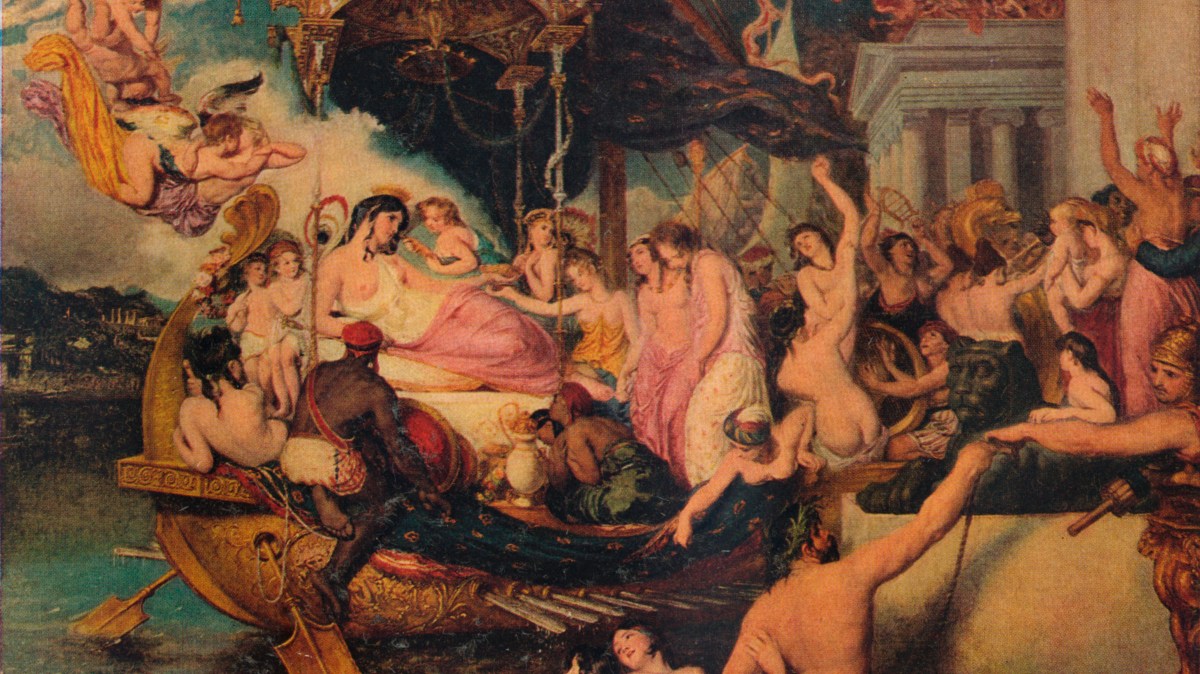
Experts point out that the popular image of Cleopatra as merely a seductress who used her feminine wiles to seduce powerful Roman men like Julius Caesar and Mark Antony stems directly from a deliberate character assassination campaign orchestrated by Octavian, later known as Emperor Augustus.
“What most people think they know about Cleopatra comes primarily from Roman sources that were heavily biased against her,” explains Dr. Sarah Richardson, professor of ancient history at Oxford University. “Octavian needed to justify his war against Mark Antony and Egypt, so he portrayed Cleopatra as a foreign temptress who had corrupted a noble Roman.”
Archaeological evidence and contemporary Egyptian records paint a dramatically different picture of the Ptolemaic queen. Far from being defined by her romantic relationships, Cleopatra was a shrewd political leader, accomplished diplomat, and intellectual who reportedly spoke nine languages. She successfully maintained Egypt’s independence during a period of Roman expansion through strategic alliances and astute governance.
Recent excavations in Alexandria have uncovered administrative records suggesting Cleopatra implemented economic reforms that strengthened Egypt’s position in Mediterranean trade networks. She also maintained the traditional role of pharaoh as a religious leader, carefully balancing Egyptian traditions with Hellenistic influences that had shaped her dynasty since Alexander the Great.
“She was operating in an incredibly complex geopolitical environment,” notes Dr. Ahmed Hassan of the Egyptian Museum in Cairo. “Egypt was caught between Roman expansionism and declining Ptolemaic influence. That she managed to preserve Egyptian autonomy for as long as she did speaks to her political acumen, not her romantic entanglements.”
The Roman propaganda campaign against Cleopatra was remarkably effective, largely because the victors wrote the history. After her death by suicide in 30 BCE following Octavian’s conquest of Egypt, Roman writers like Plutarch and Cassius Dio cemented her image as a dangerous foreign queen who had nearly brought Rome to its knees through seduction rather than statecraft.
This narrative served Rome’s purposes perfectly. By focusing on her alleged moral corruption and sexuality, Roman historians diminished Cleopatra’s actual political threat and justified Egypt’s annexation as a Roman province. They simultaneously reinforced Roman gender norms by presenting a powerful woman as dangerous and unnatural.
“It’s one of history’s most successful smear campaigns,” says Dr. Maria Gonzalez, curator of the upcoming exhibition “Cleopatra: Beyond the Myth” at the British Museum. “Even today, pop culture depictions focus almost exclusively on her relationships with Caesar and Antony, rather than her twenty-year reign during which Egypt prospered under her leadership.”
Hollywood has particularly embraced the Roman version of Cleopatra, with films typically portraying her as exotic, seductive, and defined by her relationships with men. Elizabeth Taylor’s iconic 1963 portrayal, while sympathetic, still emphasized romance over rulership.
Modern scholarship is working to correct this imbalance. Archaeological discoveries in the submerged ancient portions of Alexandria have revealed more about the sophisticated cultural and economic center Cleopatra presided over. Underwater excavations continue to uncover artifacts from her reign, including potential locations of her palace complex and the famous Lighthouse of Alexandria, one of the Seven Wonders of the Ancient World.
“We’re slowly piecing together a more accurate picture of her reign,” explains marine archaeologist Dr. Jean-Paul Bernard, who leads excavation teams in Alexandria’s harbor. “The material evidence suggests a queen deeply invested in Egypt’s infrastructure and international standing.”
Historians note that Cleopatra’s story resonates particularly strongly today as discussions about how women in power are portrayed and judged continue to evolve. The persistence of Roman propaganda in shaping her image demonstrates how narrative control can echo through millennia.
“When we reduce Cleopatra to just her relationships with powerful men, we’re essentially continuing Octavian’s propaganda,” concludes Dr. Richardson. “The historical Cleopatra was a multilingual intellectual, religious leader, and political strategist navigating an impossible situation. That’s the queen we should remember.”
Fact Checker
Verify the accuracy of this article using The Disinformation Commission analysis and real-time sources.

12 Comments
This is a great example of how historical narratives can be shaped by the victors. I’m glad to see that modern scholars are working to uncover the true story of Cleopatra’s reign and debunk the myths perpetuated by Roman propagandists. It’s a valuable lesson in critical thinking about the past.
Absolutely. It’s a good reminder that we should always approach historical accounts with a critical eye, especially when they come from sources with a clear agenda. Reassessing Cleopatra’s legacy through a more objective lens is an important step in correcting the historical record.
It’s fascinating to see how Cleopatra’s reputation has evolved over time. While the Romans may have tried to paint her as a seductress, the archaeological evidence suggests she was a skilled diplomat and intellectual. I look forward to learning more about this complex historical figure.
Yes, it’s important to look beyond the Roman propaganda and try to understand Cleopatra in her own historical context. Revisiting the primary sources and archaeological record can shed new light on her true accomplishments and legacy.
This study highlights how powerful political forces can manipulate public perception, even centuries later. I wonder what other historical narratives have been similarly distorted by ancient propaganda. It’s a sobering thought.
Absolutely. Interrogating our assumptions about the past is crucial, especially when dealing with figures who threatened the status quo, like Cleopatra.
This study highlights the importance of understanding historical context and being wary of biased sources. It’s fascinating to see how Cleopatra’s legacy has been distorted over the centuries, and I’m eager to learn more about the archaeological evidence that paints a different picture of this remarkable figure.
I agree. Uncovering the truth behind historical narratives is crucial, especially when it comes to influential leaders like Cleopatra who challenged the status quo. Revisiting primary sources and archaeological findings can help us develop a more nuanced understanding of the past.
This is a great example of how modern scholarship can help us reframe our understanding of historical figures. It’s fascinating to see how Cleopatra’s legacy has been shaped by ancient Roman propaganda, and I’m eager to learn more about the archaeological evidence that provides a more balanced perspective on her life and achievements.
Absolutely. Challenging long-held assumptions and biases about the past is crucial for developing a more accurate and inclusive understanding of history. I’m glad to see researchers taking a critical look at the sources and narratives surrounding Cleopatra’s legacy.
Fascinating to see how ancient propaganda has distorted Cleopatra’s legacy. It’s a good reminder to be skeptical of historical narratives shaped by political agendas. I’m curious to learn more about the archaeological evidence that paints a different picture of this complex figure.
Agreed. Separating fact from fiction when it comes to historical figures like Cleopatra is challenging, but important to get a more balanced understanding.