


Listen to the article
CBC Documentary on “Safer Supply” Program Sparks Controversy Over Balance and Evidence
The CBC’s Fifth Estate released a 43-minute documentary last week examining Canada’s controversial “safer supply” drug policy, prompting criticism over its journalistic approach and apparent advocacy position.
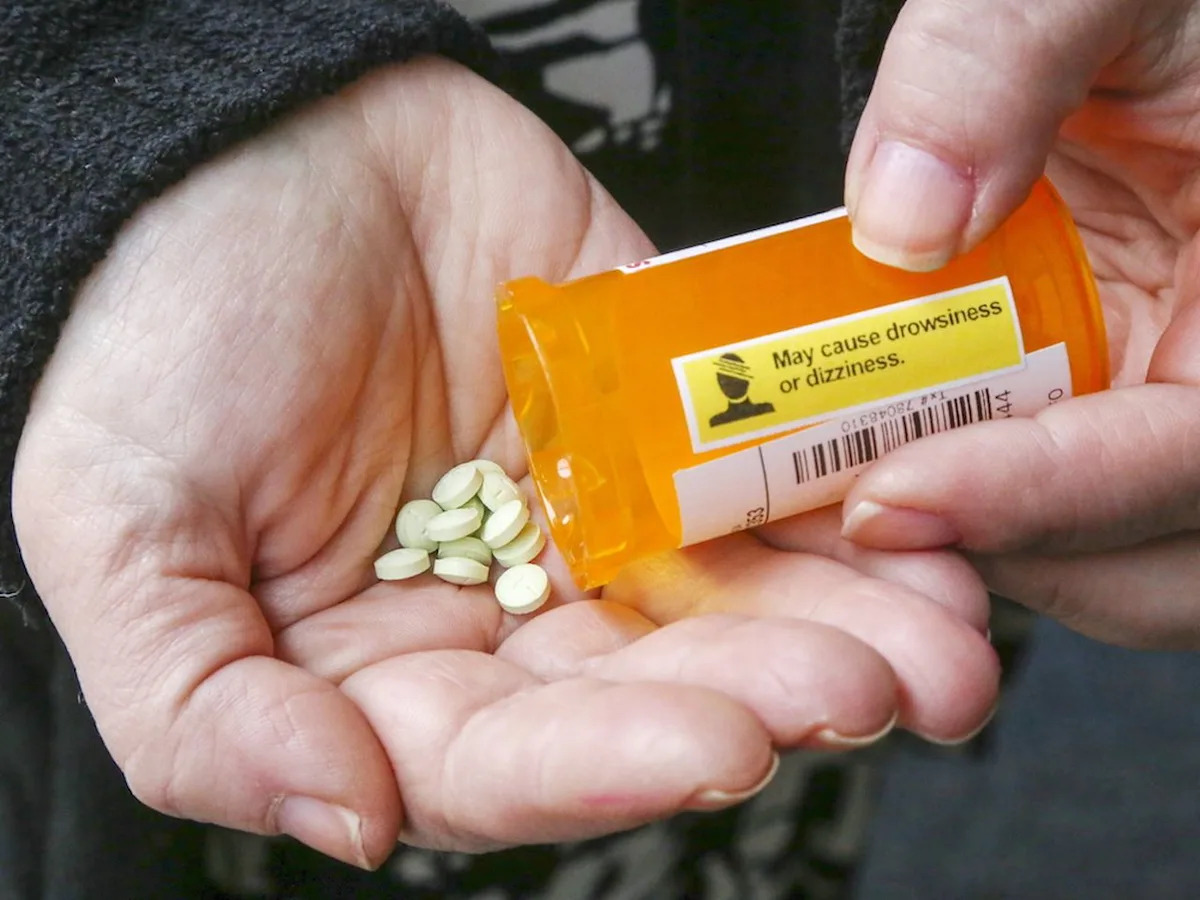
The program, titled “The political war on safe drugs,” focuses on the now-defunded initiative that provided pharmaceutical-grade drugs to people with addictions as an alternative to potentially more dangerous street drugs. While originally centered on hydromorphone prescriptions, some programs had expanded to include fentanyl and other potent substances before federal funding was cut earlier this year.
According to critics, the documentary presents a one-sided view of the policy debate by exclusively featuring addicts, activists, and harm reduction advocates—many of whom helped design the safer supply programs—while excluding opposing expert voices.
“Safer supply” was discontinued after investigations revealed significant medication diversion, with patients reportedly reselling their prescribed hydromorphone to purchase illicit fentanyl. This diversion allegedly contributed to increased opioid circulation in communities, potentially creating new addictions and benefiting organized crime networks.
Several addiction specialists have raised concerns about the program over the past two years. Dozens of physicians, including leaders in addiction medicine, published open letters urging reform or abolition of safer supply initiatives. None of these experts appeared in the documentary, nor did anyone who claimed harm from diverted medications.
B.C. Independent MLA Elenore Sturko, a prominent critic of safer supply, stated that while CBC contacted her for background information, they declined her request to be interviewed for the documentary.
The film has also drawn criticism for its handling of the diversion issue. Critics note that many harm reduction advocates initially dismissed reports of widespread medication diversion as misinformation, only to later claim they had always known hydromorphone would be diverted because it was too weak for fentanyl users.
In one notable segment, safer supply prescriber Dr. Christy Sutherland recounts discontinuing hydromorphone prescriptions after discovering at least 40 percent of her patients were reselling the medication. This led to threats against her life, forcing her to temporarily leave Vancouver. Critics question why the documentary didn’t explore why such information wasn’t more widely shared when government officials were denying diversion problems.
The documentary’s presentation of safer supply as an evidence-based, expert-supported policy has also drawn scrutiny. British Columbia’s top health official acknowledged earlier this year that safer supply is not “fully evidence-based,” while the Canadian Research Initiative in Substance Matters has described the supporting evidence as “essentially low-level.” Many studies supporting the approach have been criticized for methodological weaknesses, including reliance on subjective patient testimony and uncontrolled variables.
The documentary and its accompanying article emphasize that the cancellation of safer supply was politically motivated, particularly by Conservative opposition, while giving minimal attention to the documented problems that led to the program’s defunding.
When questioned about the documentary’s balance and inclusion of critical perspectives, a CBC spokesperson defended the piece, stating it “adheres to CBC’s Journalistic Standards and Practices” without addressing specific concerns about the exclusion of opposing viewpoints.
The controversy highlights ongoing tensions in Canada’s approach to addressing the opioid crisis, with deep divisions between harm reduction advocates who support pharmaceutical alternatives to street drugs and critics who question the evidence, safety, and unintended consequences of such programs.
Fact Checker
Verify the accuracy of this article using The Disinformation Commission analysis and real-time sources.

20 Comments
The decision to cut federal funding for ‘safer supply’ programs seems controversial. I’d be interested to hear more about the reasoning behind that move and how it may impact people struggling with addiction.
Yes, the policy changes could have significant consequences that deserve further scrutiny. Objective analysis of the evidence is needed to guide the way forward.
The debate around ‘safer supply’ programs highlights the complexities of addressing the opioid crisis. I hope future coverage can provide a more comprehensive, balanced perspective to inform the public dialogue.
Agreed. Nuanced, evidence-based reporting is essential when dealing with such a sensitive and multifaceted public health issue.
The decision to cut federal funding for ‘safer supply’ programs seems controversial. I’d be interested to hear more about the reasoning behind that move and how it may impact people struggling with addiction.
Agreed. Understanding the policy considerations and potential consequences of that decision is important for evaluating its merits.
While harm reduction is important, the issue of medication diversion is concerning. I wonder if there are ways to structure ‘safer supply’ programs that better prevent the illicit resale of prescribed drugs.
That’s a good point. Striking the right balance between harm reduction and diversion prevention is likely crucial to the success of these initiatives.
This seems like a challenging topic without easy answers. I appreciate the attempt to shine a light on the ‘safer supply’ policy, but I wonder if the documentary could have done more to present a range of expert views.
That’s a fair critique. Exploring different perspectives, including those critical of the program, could have strengthened the journalistic integrity of the coverage.
The diversion of prescribed drugs to the illicit market is a serious concern that shouldn’t be overlooked. While harm reduction is important, preventing the spread of potent substances like fentanyl has to be a priority as well.
That’s a fair point. Unintended consequences like that can potentially make the situation worse if not addressed properly.
This is a complex issue with valid arguments on both sides. I’m curious to learn more about the evidence around the efficacy and risks of ‘safer supply’ programs. Balanced journalism is key to informing the public debate.
Agreed. Analyzing the program’s real-world impacts, both positive and negative, is crucial to evaluating its merits objectively.
The diversion of prescribed drugs to the illicit market is a serious concern that shouldn’t be overlooked. While harm reduction is important, preventing the spread of potent substances like fentanyl has to be a priority as well.
Absolutely. Balancing those competing priorities is crucial to developing effective policies to address the opioid crisis.
This coverage highlights the ongoing debate around harm reduction strategies for addiction. I’m curious to learn more about the evidence and expert perspectives on the merits and risks of ‘safer supply’ programs.
Yes, a more comprehensive analysis of the available research and data would help inform the public discourse on this complex issue.
Interesting coverage of the ‘safer supply’ drug policy debate. It’s a complex issue with valid arguments on both sides. I’m curious to hear more perspectives beyond just the advocates featured in the documentary.
Yes, it’s important to get a balanced view on these sensitive topics. Excluding dissenting voices could undermine the credibility of the reporting.