


Listen to the article
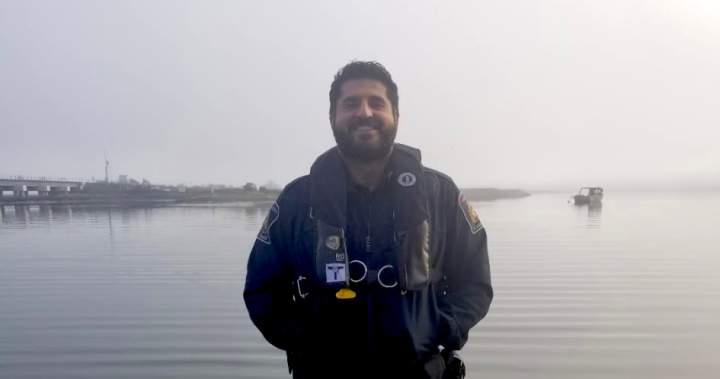
A Canadian border officer has launched a legal battle against what he describes as India’s “propaganda machine” after becoming entangled in an international diplomatic controversy that damaged his reputation and career.
The lawsuit, filed in a Canadian court, comes amid escalating tensions between Canada and India following Prime Minister Justin Trudeau’s explosive allegations last year that Indian government agents were involved in the assassination of Sikh separatist Hardeep Singh Nijjar on Canadian soil.
According to court documents, the border officer claims Indian state media and government-affiliated outlets falsely portrayed him as complicit in anti-India activities, labeling him as a Khalistani sympathizer—a reference to supporters of an independent Sikh homeland. The officer, who has served with the Canada Border Services Agency for over a decade, maintains these accusations are fabricated and part of a coordinated disinformation campaign.
“What we’re witnessing is a disturbing example of how foreign governments can target individuals working in sensitive positions to advance their geopolitical agenda,” said the officer’s attorney during a press briefing. “My client has suffered significant personal and professional consequences as a result of these false narratives.”
The case highlights the growing concern about transnational repression and foreign interference in Canada, particularly within diaspora communities. Since Nijjar’s killing in June 2023 outside a Sikh temple in British Columbia, relations between Ottawa and New Delhi have deteriorated to their lowest point in decades.
Security experts familiar with the case suggest this lawsuit could represent just one example of a broader pattern of intimidation targeting Canadian officials who work on immigration and border security matters related to India. Professor Jessica Davis, a former intelligence analyst with the Canadian Security Intelligence Service, notes that “foreign influence operations often aim to discredit individuals perceived as obstacles to a nation’s interests abroad.”
The Indian government has consistently denied involvement in Nijjar’s death and rejected allegations of running influence operations in Canada. India’s Ministry of External Affairs dismissed the lawsuit as “baseless” and “part of ongoing efforts to malign India’s reputation.”
For the border officer, the personal toll has been severe. Court filings indicate he has faced harassment, death threats, and professional isolation. His lawsuit seeks damages for defamation, intentional infliction of emotional distress, and interference with economic relations.
The case also underscores the complex dynamics at play within Canada’s large Indian diaspora, particularly within Sikh communities. With over 770,000 Sikhs calling Canada home—the largest Sikh population outside India—tensions around the Khalistan movement have created divisions that sometimes mirror the geopolitical friction between the two countries.
Legal experts suggest the case faces significant jurisdictional challenges, as pursuing legal action against foreign state media outlets involves complex questions of sovereign immunity and international law. However, the lawsuit names several private entities and individuals allegedly involved in spreading the defamatory content within Canada, potentially offering a path forward.
“This case raises important questions about how democracies protect their officials from foreign intimidation campaigns while respecting press freedom,” said Stephanie Carvin, an international relations professor at Carleton University. “The outcome could establish precedents for similar cases in the future.”
The Canadian government has not officially commented on the specific lawsuit, but Foreign Affairs Minister Mélanie Joly recently stated that Canada remains “deeply concerned about foreign interference and transnational repression targeting Canadian citizens and residents.”
As the legal proceedings move forward, observers note this case represents just one facet of the multidimensional diplomatic crisis between the two countries. Trade negotiations have stalled, visa processing has faced disruptions, and high-level diplomatic exchanges have been curtailed since Trudeau’s allegations.
For the border officer at the center of this international storm, the lawsuit represents both a personal quest for justice and a test case for how democratic institutions respond to alleged foreign disinformation campaigns targeting public servants. The court is expected to rule on preliminary motions in the coming months.
Fact Checker
Verify the accuracy of this article using The Disinformation Commission analysis and real-time sources.

7 Comments
Fascinating story. It will be interesting to see how this legal battle unfolds and whether the officer can successfully counter the alleged propaganda campaign against him. Maintaining the independence and professionalism of border agencies is vital for national security.
Diplomatic tensions between countries can sometimes spill over into targeted harassment campaigns. While the details are still emerging, it’s troubling to see a public servant potentially caught in the crossfire of geopolitical disputes. Transparency and accountability will be key in resolving this situation fairly.
I agree. Protecting the integrity of public institutions and their employees from foreign influence operations should be a top priority. Hopefully, the courts can uncover the full extent of this alleged propaganda campaign and hold the responsible parties accountable.
This is a concerning case of alleged foreign propaganda targeting a Canadian public servant. It’s important to protect officials from such malicious attacks, especially when they are acting in good faith and serving their country. I hope the legal process can shed light on the truth and provide justice for the officer.
This case raises important questions about the vulnerability of government officials to foreign disinformation efforts. As international tensions escalate, it’s crucial that democratic societies have robust safeguards in place to shield their public servants from malicious attacks, whether online or offline.
Concerning allegations of a foreign government targeting a Canadian civil servant. I hope the courts can get to the bottom of this and provide the necessary protections for public officials who may be caught in the crosshairs of geopolitical disputes. Transparency and accountability will be crucial.
Agreed. This case highlights the need for robust measures to shield government personnel from foreign influence operations. The integrity of public institutions must be fiercely guarded, especially in sensitive areas like border security.