


Listen to the article
Canadian Border Officer Files Lawsuit Against India for Disinformation Campaign
A veteran Canadian border officer has launched a $9 million lawsuit against the Indian government, alleging he became the target of a sophisticated state-sponsored disinformation campaign that falsely labeled him a “terrorist” on India’s payroll.
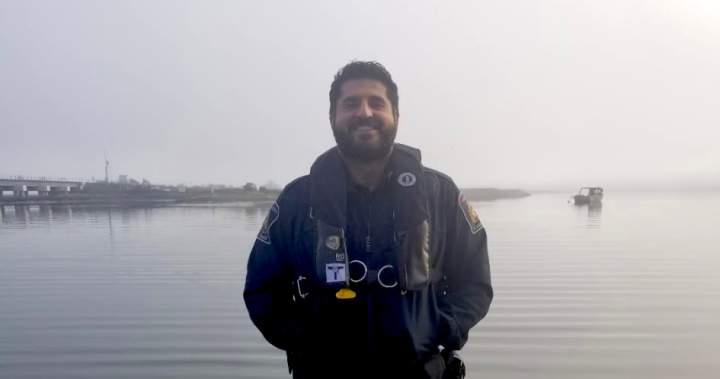
Sandeep “Sunny” Sidhu, a lifelong British Columbia resident who has worked for the Canada Border Services Agency (CBSA) for two decades, filed the lawsuit in Ontario court on Tuesday. Sidhu is also suing the Canadian government, claiming officials abandoned him when he needed protection from threats against his life.
The case represents a rare legal challenge to what many experts describe as India’s growing information warfare operations targeting Canadians.
According to the lawsuit, Indian news outlets with millions of viewers ran sensational stories last October claiming Sidhu was a “dreaded terrorist” while simultaneously working as a CBSA superintendent. Broadcasts with inflammatory banners such as “Trudeau’s tax-funded terrorist” and “Kanada rewards assassin” spread rapidly across Indian media networks.
“Sunny became merely an instrument of India’s propaganda machine to falsely accuse Canada of employing and supporting a Khalistani extremist,” states the claim filed by Sidhu’s Toronto lawyer, Jeffrey Kroeker.
The Canadian government and Sidhu’s legal team categorically deny these accusations. They allege India deliberately targeted Sidhu because he had a common Sikh name and held a visible position within Canadian security services, making him an ideal “patsy” in a retaliatory campaign against Canada.
The timing of the disinformation blitz appears significant. It followed the RCMP’s October 2024 announcement implicating Indian agents in the killing of Hardeep Singh Nijjar in Surrey, B.C., and other violent incidents across Canada. When Canada expelled six Indian diplomats identified as persons of interest in these investigations, Sidhu’s story suddenly appeared on major Indian news channels.
According to the lawsuit, Indian commentators used Sidhu as supposed evidence of Canadian hypocrisy, claiming that while Ottawa accused New Delhi of targeting individuals abroad, Canada itself had “terrorists” on its payroll.
“The only possible explanation is that Sandeep Singh Sidhu has been deliberately hand-picked by the Canadian government to fill a sensitive post specifically so that his criminal skills can be harnessed,” claimed one Indian television host in a broadcast reaching millions.
The impact on Sidhu’s life has been devastating. His name, photo and home address were widely circulated online, leading to explicit threats. One social media user posted an aerial image of his home from Google Earth with the message: “His address. Go and kill him.”
Local police in Abbotsford advised Sidhu to take extensive security precautions, warning him that India had previously circulated false terrorism allegations against others, with one person later murdered under suspicious circumstances.
Despite these threats, the lawsuit alleges the CBSA provided no protection and instead subjected him to intrusive background checks that ultimately cleared him. According to the claim, some colleagues even mocked him, joking about bomb-making and “friends in Hamas.”
The psychological toll has been severe. Sidhu was diagnosed with clinical depression, anxiety, and post-traumatic stress disorder. At one point, he turned to alcohol and required hospitalization at a rehabilitation program in Vancouver.
This case unfolds as Prime Minister Mark Carney works to deepen economic ties with India. The leaders met at the G20 summit last month, with Carney announcing plans to “more than double our trade to $70 billion.”
The High Commission of India in Ottawa did not respond to requests for comment. India has consistently denied allegations of disinformation campaigns, transnational repression, assassination plots, and election interference in Canada.
This lawsuit represents one of the first significant legal challenges to what many intelligence experts describe as India’s increasingly aggressive foreign interference operations targeting critics abroad, particularly within Canada’s large South Asian community.
Fact Checker
Verify the accuracy of this article using The Disinformation Commission analysis and real-time sources.

8 Comments
Wow, $9 million is a substantial lawsuit. This case illustrates the real-world impacts of disinformation campaigns and the need for robust legal recourse. I hope the officer is successful in his claims.
This is a troubling case of alleged state-sponsored disinformation targeting a Canadian public servant. The lawsuit highlights the growing threat of information warfare and the need for robust protections for government officials.
The alleged tactics used against this officer, if true, are deeply troubling. Spreading false terrorist accusations is a serious abuse of state power and media influence.
It’s concerning to see foreign governments allegedly using media campaigns to smear and harass Canadian citizens. The lawsuit raises important questions about national security, freedom of speech, and accountability.
Agreed. The Canadian government needs to take strong action to defend its citizens from these kinds of malicious propaganda efforts.
While the details are concerning, I’m glad to see the Canadian border officer taking legal action. Individuals should not have to bear the brunt of foreign disinformation campaigns alone.
This story highlights the growing threat of state-sponsored information warfare targeting citizens of allied nations. It’s crucial that governments work together to combat these tactics and protect free speech.
Absolutely. Coordinated international efforts will be key to addressing this challenge effectively.