


Listen to the article
BBC Faces Criticism for Producing “Propaganda Films” for Saudi Arabia
The BBC has come under fire for accepting money to produce promotional content for Saudi Arabia’s sovereign wealth fund, which is controlled by Crown Prince Mohammed bin Salman, the ruler implicated in journalist Jamal Khashoggi’s murder.
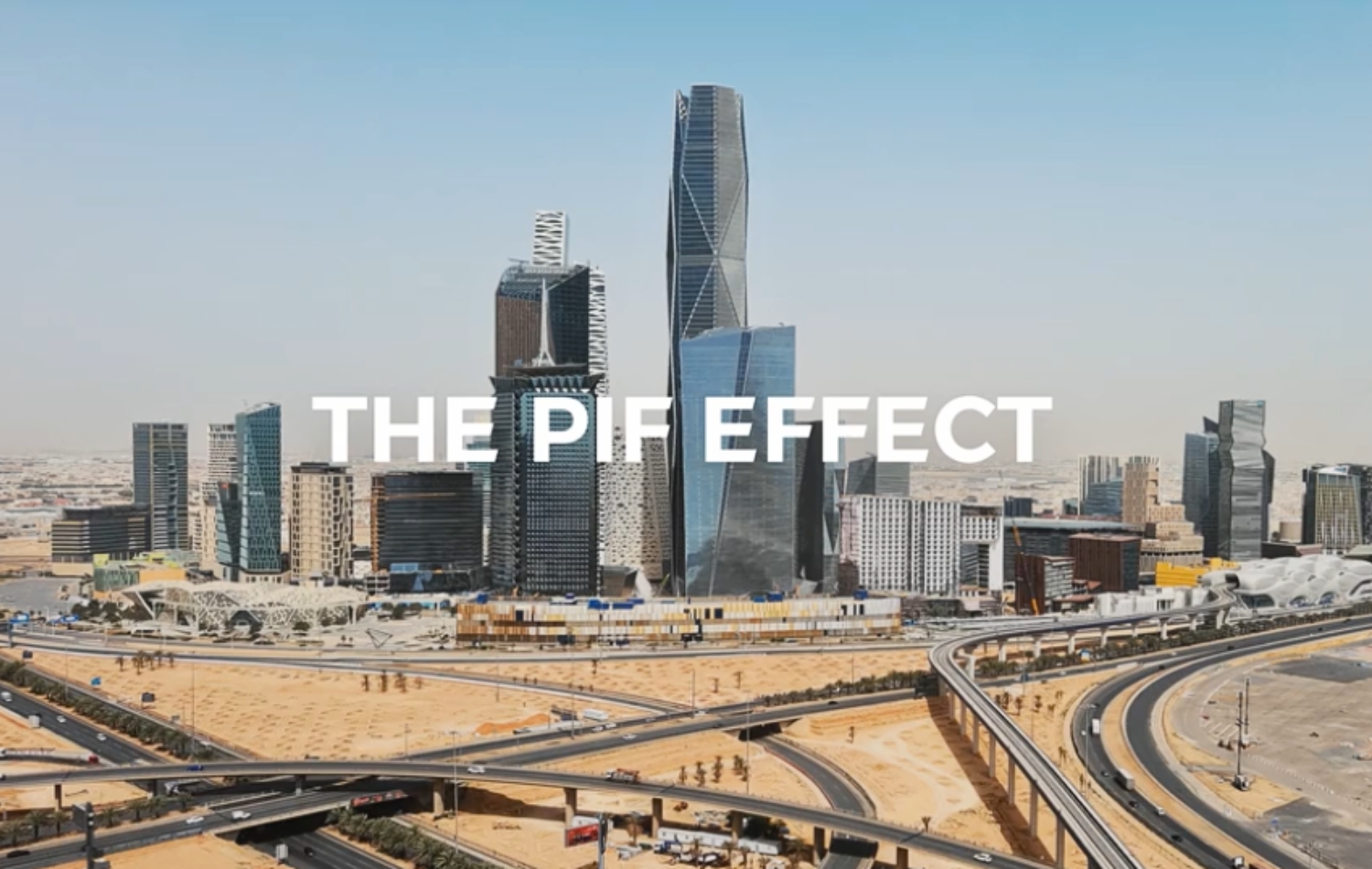
A joint investigation by DeSmog and The Guardian has revealed that BBC StoryWorks, the broadcaster’s commercial content studio, created what critics call “glossy propaganda films” for the Public Investment Fund (PIF), Saudi Arabia’s trillion-dollar investment vehicle.
The films portray Saudi Arabia as “a country redefining itself in a bold new era” through PIF’s “truly inspiring” investments, including projects related to clean energy and environmental protection. Critics argue this content whitewashes the kingdom’s human rights record and undermines the BBC’s journalistic integrity.
“The BBC’s existence depends on its reputation as an unbiased and reliable news outlet that is beholden to no one, and pursues the truth without fear or favour,” said Patrick Howse, the BBC’s former Baghdad bureau chief. “The airing of glossy propaganda films at major junctions seriously undermines that.”
The situation is particularly controversial given Saudi Arabia’s documented history of suppressing journalism. In October 2018, Washington Post journalist Jamal Khashoggi, a critic of the Saudi government, was murdered in the Saudi consulate in Istanbul. A UN investigation concluded the Saudi state was responsible, and US intelligence agencies determined that Crown Prince Mohammed bin Salman personally ordered the killing—a claim he denies.
According to Human Rights Watch, a PIF-controlled airline owned the two planes used by Saudi agents who traveled to Istanbul to murder Khashoggi.
Media critic Mic Wright called the arrangement “absolutely disgusting,” stating: “There can be no moral justification for any part of the BBC to create promotional content for the Saudi regime. It is a country that has shown itself to be opposed – fatally so – to the principles of free and honest journalism.”
Beyond the Khashoggi killing, PIF faces accusations of serious human rights violations, including forcibly evicting residents, razing neighborhoods for development projects, mistreating migrant workers, and silencing dissent. Ironically, some of these allegations were previously reported by the BBC’s own news division, including reports that Saudi authorities permitted the use of lethal force to clear land for PIF’s “Neom” project—a futuristic city development highlighted in the BBC StoryWorks content.
The promotional materials also emphasize Saudi Arabia’s green credentials while failing to mention that the kingdom remains heavily dependent on fossil fuels, which account for approximately 40 percent of its economic output. Saudi Aramco, the state oil company, plans to increase gas production by 80 percent by 2030 and is estimated to be responsible for more than 4 percent of global greenhouse gas emissions since 1965.
“PIF investments are an important tool of Saudi soft power and influence, and are used to whitewash Saudi government abuses,” said Joey Shea of Human Rights Watch. “Businesses should refrain from activities that would bolster the reputation of government entities or officials recently and credibly accused of serious abuses.”
BBC StoryWorks content appears outside the UK on the BBC website—the most viewed news platform globally—and on its international broadcast channels, carrying a disclaimer that it has been paid for by an external organization.
The controversy comes as the BBC increasingly seeks new revenue streams. BBC Commercial, which includes StoryWorks, generated £2.2 billion for the broadcaster in 2024/25, a 20 percent increase from the previous year, as the corporation faces declining license fee revenue.
This isn’t the first time BBC StoryWorks has worked with controversial clients. The investigation found that the unit regularly produces content for major polluters and fossil fuel states with poor human rights and press freedom records, including the United Arab Emirates and China.
A BBC Studios spokesperson defended the arrangement, saying: “BBC News maintains clear separation between its commercial and editorial departments and our journalists continue to report rigorously, impartially and without fear or favour on all issues, with no consideration of wider commercial relationships.”
Felix Jakens of Amnesty International UK warned: “The BBC’s credibility depends on reporting without fear or favour. That trust cannot be for sale, and it must not be compromised by any investment that risks rewriting a human rights record.”
Fact Checker
Verify the accuracy of this article using The Disinformation Commission analysis and real-time sources.

13 Comments
Concerning if true. The BBC’s reputation for impartial, quality journalism is undermined if they’re producing ‘glossy propaganda’ for Saudi Arabia. Transparency and editorial independence are crucial for a public broadcaster.
Agreed. The BBC should avoid conflicts of interest and maintain high journalistic standards, even when offered lucrative contracts. Reputation is everything for a respected news outlet.
While the BBC likely faces financial pressures, taking money to produce content that ‘whitewashes’ Saudi Arabia’s human rights record is deeply troubling. The BBC must resist such conflicts of interest to preserve its credibility as a news organization.
The BBC’s decision to create promotional content for Saudi Arabia’s sovereign wealth fund is concerning. While the financial incentive may be appealing, the BBC must resist such conflicts of interest to preserve its credibility as an independent, trustworthy news source.
Absolutely. The BBC’s primary responsibility should be to the public, not to special interests or foreign governments. Maintaining editorial independence and journalistic integrity should be the top priorities.
Disappointing to see the BBC engaging in this type of work. Producing ‘glossy propaganda films’ for the Saudi government undermines the BBC’s reputation as an unbiased, trustworthy news source. The BBC should reconsider this arrangement to maintain its integrity.
The BBC’s decision to create promotional content for Saudi Arabia’s sovereign wealth fund is concerning. Even if the films portray positive developments, the arrangement compromises the BBC’s impartiality and journalistic independence. The BBC must uphold its principles.
This is a disappointing development for the BBC. Producing ‘propaganda films’ for Saudi Arabia’s sovereign wealth fund raises serious ethical concerns and undermines the BBC’s reputation for impartial, fact-based reporting. The BBC must uphold its principles and avoid such arrangements in the future.
This is a troubling development for the BBC. Producing ‘glossy propaganda films’ for Saudi Arabia’s sovereign wealth fund undermines the BBC’s reputation for impartial, fact-based reporting. The BBC must uphold its principles and avoid such arrangements in the future.
This seems like a clear case of the BBC compromising its principles for financial gain. Producing promotional content for Saudi Arabia’s sovereign wealth fund raises serious ethical questions. The BBC must uphold its commitment to unbiased reporting.
Exactly. The BBC should not be in the business of creating ‘propaganda films,’ regardless of the funding source. This undermines the public’s trust in the broadcaster’s editorial independence and integrity.
The BBC’s decision to create promotional content for Saudi Arabia’s sovereign wealth fund raises serious ethical concerns. While the financial incentive may be tempting, the BBC must resist such conflicts of interest to preserve its credibility as a public broadcaster.
Agreed. The BBC’s primary responsibility should be to the public, not to special interests or foreign governments. Maintaining editorial independence and journalistic integrity should be the top priorities.