


Listen to the article
BBC’s Israel-Palestinian Coverage Under Scrutiny After Leaked Memo
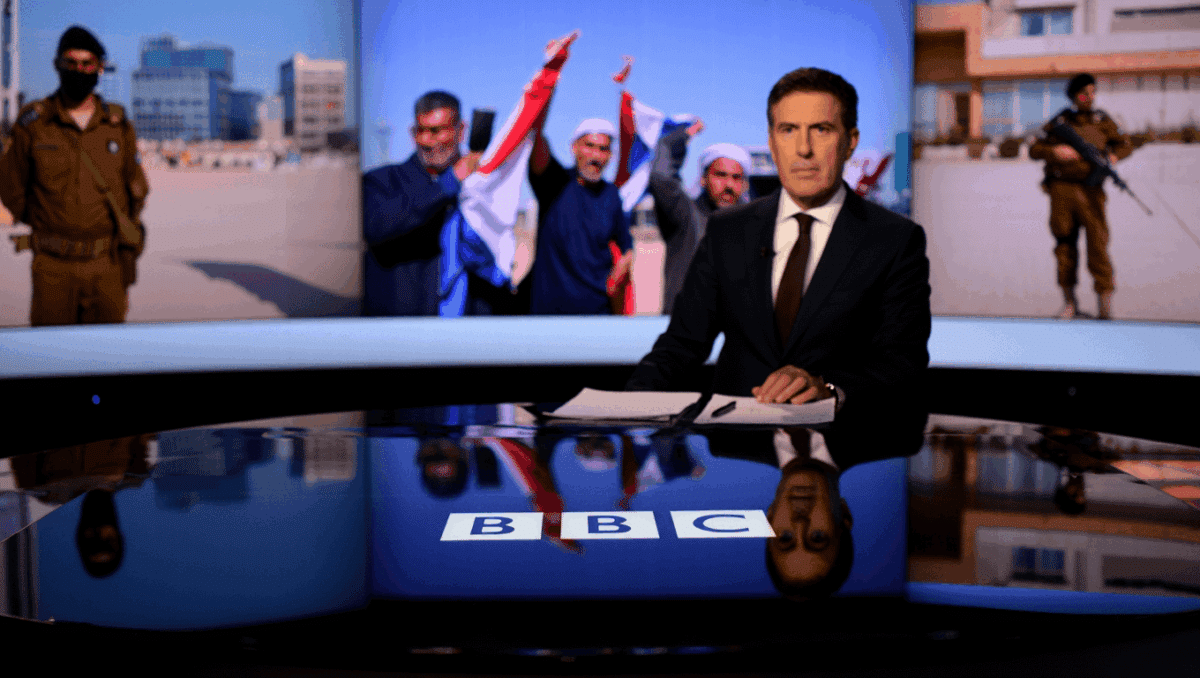
A controversial internal memo leaked to The Telegraph has ignited fresh debate over the BBC’s journalistic standards, particularly regarding its coverage of the Israel-Palestinian conflict. The document details numerous instances where the broadcaster’s reporting allegedly demonstrated bias, raising serious questions about its commitment to impartiality on one of the world’s most contentious geopolitical issues.
The memo meticulously catalogs what critics describe as systematic reporting failures across BBC platforms, with particular concern about the corporation’s Arabic service. Among the most troubling allegations is the underreporting of Israeli civilian suffering while giving extensive airtime to statements from Hamas and Hezbollah without adequate scrutiny or verification.
According to the leaked document, BBC journalists frequently employed euphemistic language when describing attacks against Israeli civilians, sometimes characterizing them as “military operations” rather than explicitly acknowledging their violent nature. This sanitized framing stands in stark contrast to the broadcaster’s typically explicit coverage of civilian casualties elsewhere.
The document also highlights instances where unverified claims from Iranian and Syrian sources were presented as credible. In one example, assertions that an incident involving children in the Golan Heights was staged by Israel were reportedly broadcast without sufficient independent confirmation.
Sourcing practices have come under particular scrutiny. The memo alleges that individuals with histories of praising violent actions were presented merely as “eyewitnesses” without proper context for audiences. Critics argue this lack of transparency obscured important information viewers needed to evaluate claims.
Questions about casualty figures form another significant portion of the critique. The BBC allegedly lent undue credibility to Hamas-provided casualty counts without adequately acknowledging the militant group’s role in Gaza governance or potential motivations for inflating numbers.
Errors in reporting appear to have gone uncorrected or were addressed too slowly, according to the document. Programs like Newsnight reportedly broadcast alarming predictions—such as thousands of infant deaths within days—even after such claims had been publicly debunked. Similarly, images purported to show starvation were later revealed to depict unrelated medical conditions.
Media analysts note that such reporting patterns can significantly shape public perception. When a trusted broadcaster like the BBC appears to underreport suffering on one side while amplifying unverified claims from the other, it potentially distorts audience understanding of a complex conflict.
The implications extend beyond journalistic standards. Some observers point out that mischaracterizations of the conflict can inadvertently fuel anti-Semitism, particularly when narratives normalize militant rhetoric or downplay violence against Israeli civilians.
What’s particularly notable is the BBC’s apparent response to these allegations compared to other recent controversies. While senior resignations followed quickly after the broadcaster admitted to manipulating footage of former President Donald Trump, critics say the corporation has been slower to fully acknowledge or address the scale of issues outlined in the Israel-Palestinian coverage memo.
The controversy raises fundamental questions about accountability at the publicly funded broadcaster. Media experts suggest that beyond personnel changes, the BBC may need structural reforms, greater transparency around corrections, and clearer sourcing standards to restore audience trust.
Given the BBC’s prominent role in shaping international understanding of complex conflicts, the stakes are particularly high. The broadcaster’s charter obligates it to provide impartial coverage—a responsibility that carries special weight when reporting on issues as divisive as the Israel-Palestinian conflict.
Moving forward, media watchdogs and parliamentary committees are likely to press for comprehensive reviews of the BBC’s reporting across all language services, with particular attention to verification processes and editorial oversight. Any meaningful reform would need to address how the corporation weighs competing claims, presents casualty figures, and ensures context on international law is adequately provided.
The BBC’s handling of this controversy will be closely watched by media consumers, policymakers, and journalists worldwide as a test case for how public broadcasters navigate the increasingly fraught intersection of journalism, accountability, and international politics.
Fact Checker
Verify the accuracy of this article using The Disinformation Commission analysis and real-time sources.

9 Comments
While the Israel-Palestine conflict is highly polarized, the BBC has a responsibility to report on it in a balanced way. Allegations of biased or misleading coverage are troubling and warrant a prompt and transparent response from the broadcaster.
This is a complex and sensitive topic, but the BBC’s credibility as a reliable news source is at stake. They must investigate the claims in the leaked memo thoroughly and demonstrate a firm commitment to objective, fact-based journalism.
I appreciate the BBC’s role as a respected global news source, but this leaked memo raises troubling questions about their coverage of the Israel-Palestine conflict. Any appearance of favoring one side over the other risks undermining public trust in their reporting.
Agreed. The BBC must strive for absolute neutrality on such a divisive issue, lest they be perceived as amplifying propaganda from either side.
This is a concerning report, if true. The BBC should uphold the highest standards of impartial and responsible journalism, regardless of the geopolitical complexities involved. Allegations of bias or selective reporting are serious and warrant a thorough, transparent investigation.
Journalism plays a crucial role in shaping public discourse, especially on divisive geopolitical issues. The BBC must uphold the highest standards of impartiality and accuracy, regardless of the sensitivities involved. This leaked memo demands a thorough investigation and response.
The BBC’s reporting should strive to inform the public, not sway public opinion. If these allegations of selective and euphemistic coverage are accurate, it’s a concerning breach of journalistic ethics that must be addressed.
Journalists should describe violent acts against civilians accurately, without euphemisms. Sanitizing the language around such attacks does a disservice to the victims and the public’s right to understand the full scope of the conflict.
Exactly. Impartial reporting is critical, especially on contentious geopolitical issues where emotions often run high. The BBC must examine these allegations closely and take corrective action if needed.