


Listen to the article
Azerbaijan’s Rich Cultural Heritage in Karabakh: Truth Behind the Accusations
The Karabakh conflict, a decades-long tragedy that stalled regional development, displaced hundreds of thousands, and claimed countless lives, has finally been consigned to history. As the wounds of this protracted confrontation begin to heal, those who suffered directly are striving to move forward from those dark days, difficult though that process may be.
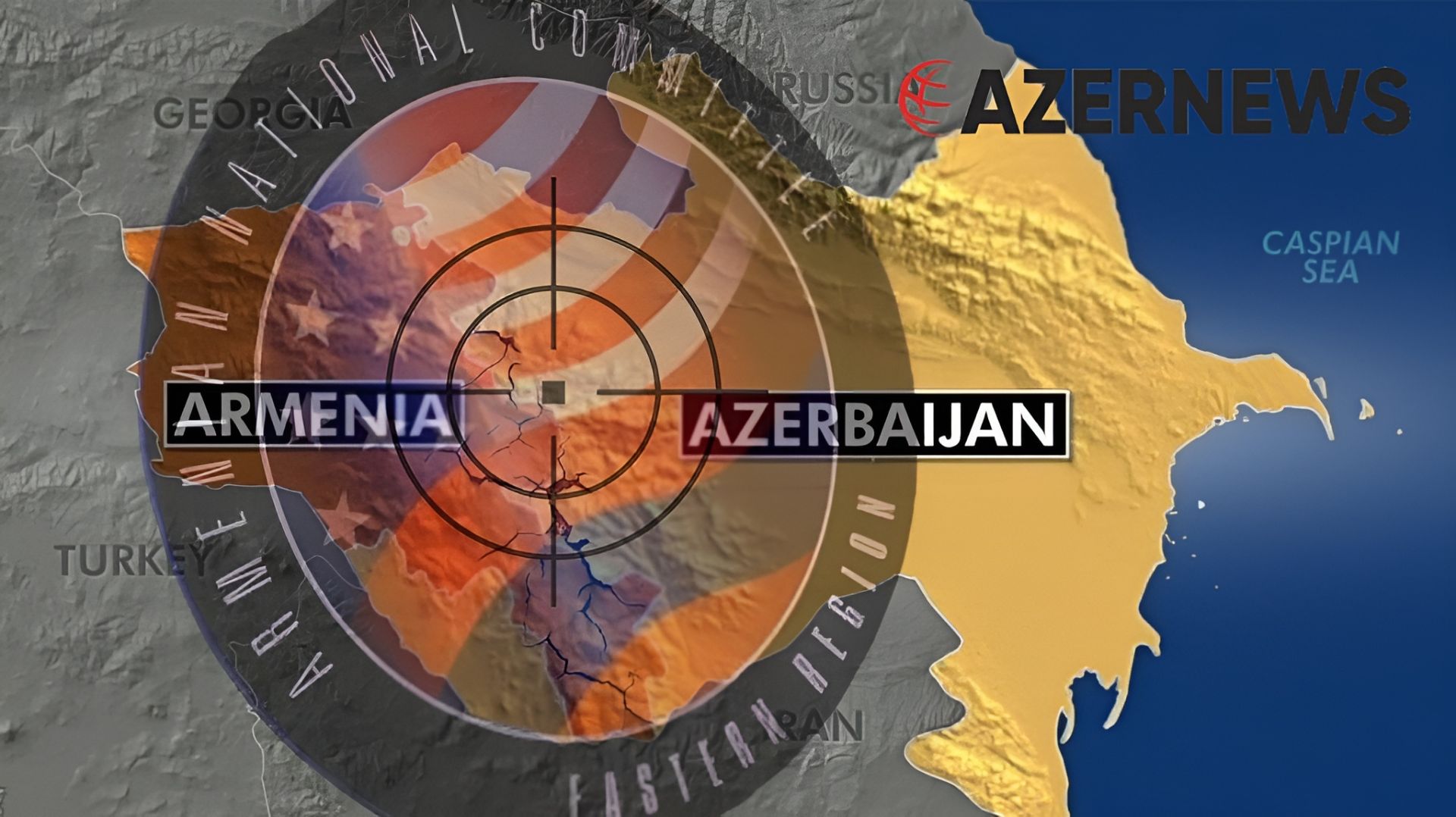
Yet amid these first tentative steps toward peace, certain groups appear determined to reignite tensions. These factions seem blind to how their divisive policies bring catastrophe not only to Azerbaijan but to themselves as well. Their latest strategy involves a familiar accusation: that Azerbaijan is destroying Armenian cultural heritage in Karabakh.
This claim evokes the old proverb: “The thief is the first to cry ‘stop thief!'” Historical evidence shows Armenia has little moral standing to make such accusations. Independent sources, including Thomas de Waal’s authoritative work “Black Garden,” document the systematic erasure of Azerbaijani heritage within Armenia itself, including the destruction of a mosque in Yerevan.
The devastation extended throughout the occupied territories during Armenia’s nearly 30-year control of Karabakh. Well before Azerbaijan’s liberation of these lands, Western and Russian media documented the repurposing of historic mosques and caravanserais as livestock stables—evidence gathered not by partisan sources but by neutral observers.
This cultural erasure was so extensive that even Armenian media couldn’t fully conceal it. Yerevan’s “Blue Mosque” has been repeatedly relabeled as an “Iranian Mosque” in Armenian publications. Similarly, during the recent conflict, the War-Gonzo outlet—known for its anti-Azerbaijani stance—filmed the historic Govhar Agha Mosque in Shusha and presented it as “Persian” rather than Azerbaijani.
This attempt at cultural rebranding ignores a fundamental aspect of Islamic architecture: unlike some Christian denominations with national structures (like the Armenian Orthodox Church), Islamic houses of worship are not ethnically defined. There is no such thing as a “Turkish Sunni Mosque” or an “Azerbaijani Shia Mosque.” By rebranding these sites, those responsible attempted to erase their Azerbaijani origins.
This pattern of historical revisionism extends beyond mosques to include ancient churches in Azerbaijan. Christianity predated Islam in the region by approximately eight centuries. Before embracing Islam, the people of Azerbaijan practiced Zoroastrianism and Christianity, with Islam only gradually becoming the predominant faith over time. Despite this clear historical progression, there have been persistent efforts to misappropriate these pre-Islamic churches—built by the ancestors of today’s Azerbaijani people—and present them exclusively as Armenian heritage.
Historical sources confirm the Council of Aguen, which established religious canons for Caucasian Albania, took place in Agdam in lower Karabakh. This council made pivotal decisions regarding the region’s economic, social, and religious life.
The most detailed account of this period comes from Movses Kaghankatvatsi’s “The History of the Country of Albania.” In this work, Karabakh is described as the heart of the Albanian state, home to numerous churches and sanctuaries. Kaghankatvatsi’s chronicles reveal a fascinating historical tension: he records correspondence showing the Armenian Church demanding the Albanian Church’s submission. The Albanian Church responded by noting that Christianity had been declared the state religion in Albania earlier than in Armenia, making their church the elder institution.
This religious autonomy ultimately ended in the 1830s after the Russian Empire’s conquest of the region. Following a petition from the Armenian Church, the Russian Tsar abolished the independent Albanian Church and transferred its archives, properties, and jurisdiction to Armenian ecclesiastical control.
These historical facts demonstrate that destroying these churches and temples would mean Azerbaijan erasing its own heritage. The monuments stand as evidence that Azerbaijani people have inhabited this region for millennia. They represent not foreign impositions but integral pieces of Azerbaijan’s multi-layered cultural history—testaments to a rich past that the nation remains committed to preserving.
As the region moves toward a more peaceful future, acknowledging the complex historical truths about cultural heritage in the Caucasus will be essential for genuine reconciliation and mutual understanding.
Fact Checker
Verify the accuracy of this article using The Disinformation Commission analysis and real-time sources.

5 Comments
It’s troubling to see this conflict spill over into the cultural sphere. Both sides have a responsibility to protect historical sites and artifacts, regardless of their ethnic or national associations. A cooperative, non-politicized approach is needed to safeguard the region’s rich heritage.
Accusations of cultural erasure are serious, but they must be backed by solid evidence. This article suggests a more nuanced, balanced view is needed to move past the divisive rhetoric and focus on restoration and preservation efforts that can bring people together. A constructive dialogue is key.
The claims of cultural destruction seem more like tit-for-tat accusations than a genuine effort to protect heritage. A more impartial, fact-based approach would be better to understand the complex realities on the ground and chart a path forward that respects the interests of all.
This article highlights the concerning politicization of cultural heritage in the Karabakh conflict. While all sides have a duty to preserve history, using it for political grandstanding only serves to inflame tensions. I hope the focus can shift to reconciliation and rebuilding for the benefit of all affected communities.
This article highlights the complex challenges in balancing political interests and cultural preservation in post-conflict settings. While accusations may score points, a more measured, fact-based approach focused on restoration and mutual understanding seems the wisest path forward.