


Listen to the article
“Axis of Truth” Series to Launch with Focus on Middle East Media Coverage and Propaganda
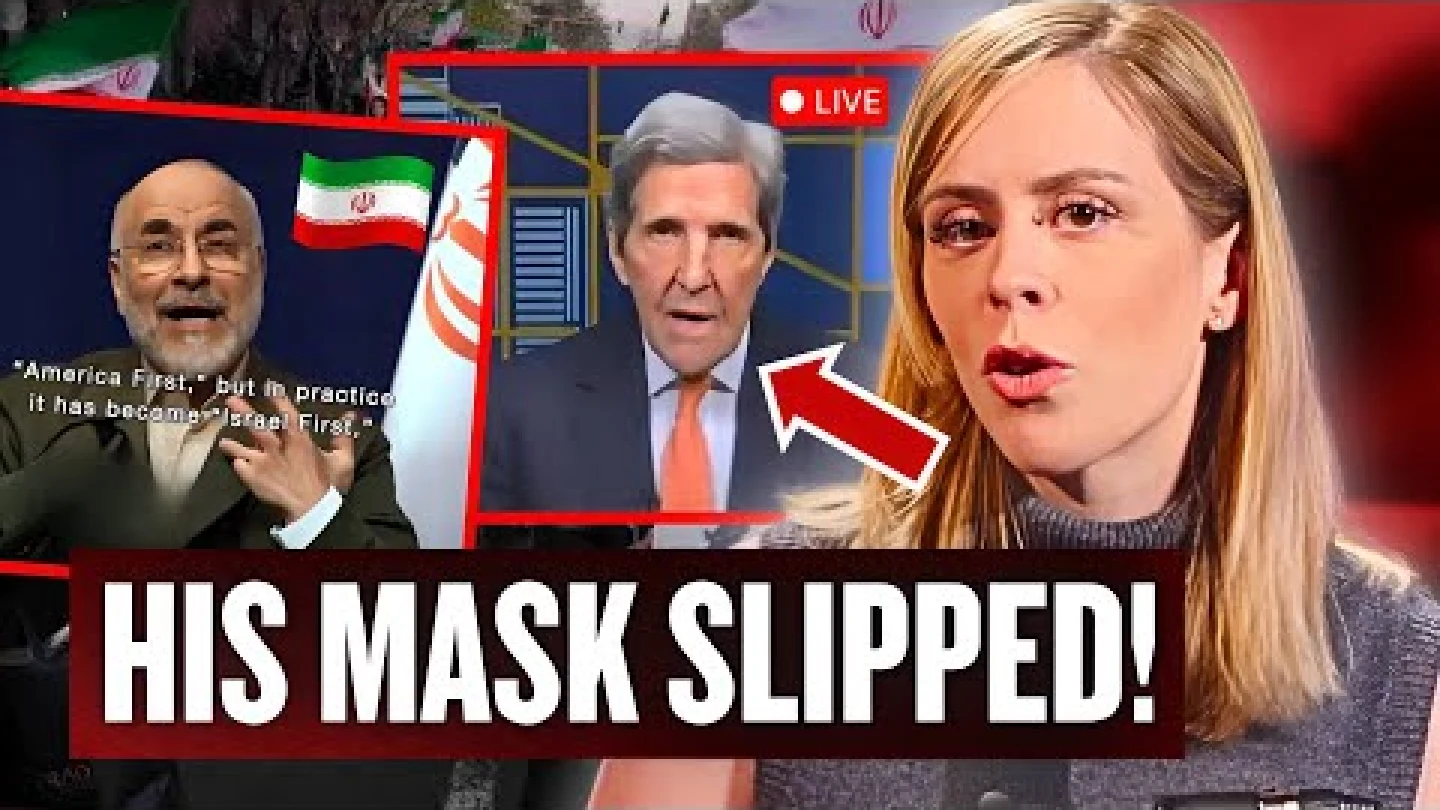
A new investigative series aimed at examining media coverage of Israel and the broader Middle East is set to debut next week. “Axis of Truth,” hosted by journalist and human rights activist Emily Schrader, will challenge mainstream narratives and explore the complex web of propaganda, political agendas, and media manipulation that often shapes news from the region.
The weekly series, produced by JNS (Jewish News Syndicate), positions itself as a counterweight to what its creators describe as ideologically-driven coverage of Israel and Middle Eastern affairs. Schrader, who has built a reputation as an outspoken critic of authoritarian regimes, particularly in Iran, plans to confront contentious topics that she believes receive inadequate or biased treatment in international media.
“In today’s media environment, separating fact from fiction has become increasingly difficult, especially when it comes to coverage of Israel,” said a JNS spokesperson. “This series aims to provide viewers with context often missing from headlines.”
The program’s scope will span from Tehran to Tel Aviv, Damascus to Washington, examining how different political interests shape media narratives across these regions. Particular attention will be paid to what the producers characterize as moral equivalence in reporting on conflicts involving Israel and terrorist organizations.
Each episode will feature in-depth interviews with a range of voices including security experts, political analysts, journalists, and dissidents from across the political spectrum. The series promises exclusive reporting on hot-button issues including the ongoing situation in Gaza, Iranian political developments, and social media’s role in shaping public perception of Middle Eastern conflicts.
Media analysis experts note that the launch comes at a time of increasing polarization in news coverage of Israel and its neighbors. Dr. Rachel Bernstein, professor of media studies at Columbia University, observes that “specialized news programming focused on media criticism has grown significantly in recent years, reflecting widespread distrust in mainstream reporting, particularly on geopolitically sensitive regions.”
The program enters a crowded landscape of media criticism shows, though few focus exclusively on Middle Eastern coverage with the specificity promised by “Axis of Truth.” Industry analysts suggest the series may find a dedicated audience among those who feel underserved by traditional media outlets’ approach to Israel-related news.
Critics of specialized news programming have raised concerns about potential echo chambers forming around politically aligned content. Media ethicist James Harrison notes, “The challenge for any program examining media bias is to avoid simply becoming another vehicle for partisan viewpoints, regardless of which side they represent.”
According to preliminary information, early episodes will address the Iranian regime’s approach to elections, Hamas’s media strategies, and what the host describes as “Western hypocrisy” in coverage of Israeli security measures. The series also plans to investigate global networks that allegedly enable terrorist organizations to operate with impunity.
Beyond television, the series will maintain a significant digital presence across multiple platforms. Viewers can access content through JNS’s television channel and YouTube, with additional engagement opportunities through social media.
The timing of the series launch coincides with increasing tensions across the Middle East and growing concerns about the reliability of information sources. Media literacy advocates have emphasized the importance of consumers understanding the editorial perspective of news sources while seeking multiple viewpoints on complex international issues.
“Axis of Truth” represents part of a broader trend of specialized programming targeting audiences dissatisfied with traditional news coverage of specific regions or conflicts. Whether it will succeed in its stated mission to bring clarity to complex regional dynamics remains to be seen when it debuts next week.
Fact Checker
Verify the accuracy of this article using The Disinformation Commission analysis and real-time sources.

13 Comments
The topic of propaganda and selective outrage influencing the Iran-Israel conflict narratives is a complex and important one. I’m interested to see how this new series tackles these sensitive issues.
Providing more context and challenging mainstream narratives around the Middle East is a valuable goal. Let’s hope this series can offer a balanced and well-researched perspective.
It’s good to see an effort to confront the complex and contentious topics around Israel and the broader Middle East that often receive inadequate or biased treatment in the media. Providing more context is crucial.
I hope this series can offer a more nuanced and balanced perspective on these sensitive geopolitical issues. Challenging mainstream narratives is important, but it needs to be done responsibly.
Separating fact from fiction in Middle East reporting is undoubtedly a challenge. This new series sounds like an important initiative to address the biases and political agendas that often shape the coverage.
Confronting contentious topics around Israel and the broader Middle East that receive inadequate or biased treatment in the media is a noble pursuit. I’m curious to see how this new series approaches these sensitive issues.
Providing more context and challenging mainstream narratives is crucial. Hopefully this series can offer a balanced perspective on these complex geopolitical conflicts.
This sounds like an interesting new series that could provide valuable context on the complex Middle East dynamics. I’m curious to see how they approach these sensitive geopolitical issues and whether they can offer a balanced perspective.
Examining media coverage and propaganda around sensitive regional conflicts is important. Hopefully this series can shed light on the various political agendas at play.
Separating fact from fiction in today’s media landscape is increasingly difficult, especially when it comes to coverage of the Middle East. This series could be a useful resource if it manages to cut through the rhetoric and political agendas.
Examining the web of propaganda and political agendas that shape Middle East media coverage is a worthy endeavor. Hopefully this series can shed light on the various factors at play and provide a more objective analysis.
Navigating the web of propaganda and biases in Middle East reporting is no easy task. I’m glad to see an initiative aimed at challenging mainstream narratives and providing more context.
Unbiased and well-researched coverage of the Israel-Iran conflict is crucial. This series could make a valuable contribution if it can truly offer a balanced perspective.