


Listen to the article
In the digital battlefield of modern information warfare, internet memes have evolved from simple jokes into sophisticated weapons of persuasion and resistance, according to a groundbreaking research report examining their growing influence in global conflicts.
The comprehensive study, “The complex web in memetic warfare: A comprehensive analysis of societal dynamics, interactions and impact,” reveals how memes have transformed into powerful tools for shaping narratives, countering misinformation, and mobilizing international support during the ongoing Russia-Ukraine war.
Researchers documented how grassroots online communities have harnessed memes’ viral nature to influence public opinion and challenge dominant narratives. The study places particular focus on the North Atlantic Fella Organisation (NAFO), a decentralized online collective that emerged as a significant force in countering pro-Russian propaganda through coordinated meme campaigns.
“What we’re seeing is the emergence of ‘digital volunteering’ – a new form of civic engagement that blends activism, advocacy and internet culture,” explained one of the researchers involved in the study. “These online communities are developing sophisticated approaches to information resilience that operate outside traditional channels.”
The research methodology combined quantitative and qualitative approaches, gathering data from a global survey of more than 250 participants, conducting in-depth interviews with NAFO members and Ukrainian civilians, and analyzing meme content linked to pivotal moments in the conflict. This multi-faceted approach provides unprecedented insight into the creation, dissemination, and impact of politically charged memes across diverse audiences.
Among the study’s key findings is the recognition that memes serve multiple functions beyond humor. They can simplify complex geopolitical situations, making distant conflicts more relatable to international audiences. By humanizing abstract issues, memes create emotional connections that drive tangible actions, including financial donations and advocacy efforts for the Ukrainian cause.
“Memes have become a form of civic resistance,” noted the report. “They allow ordinary citizens to participate in information campaigns that were previously the domain of state actors or media organizations.”
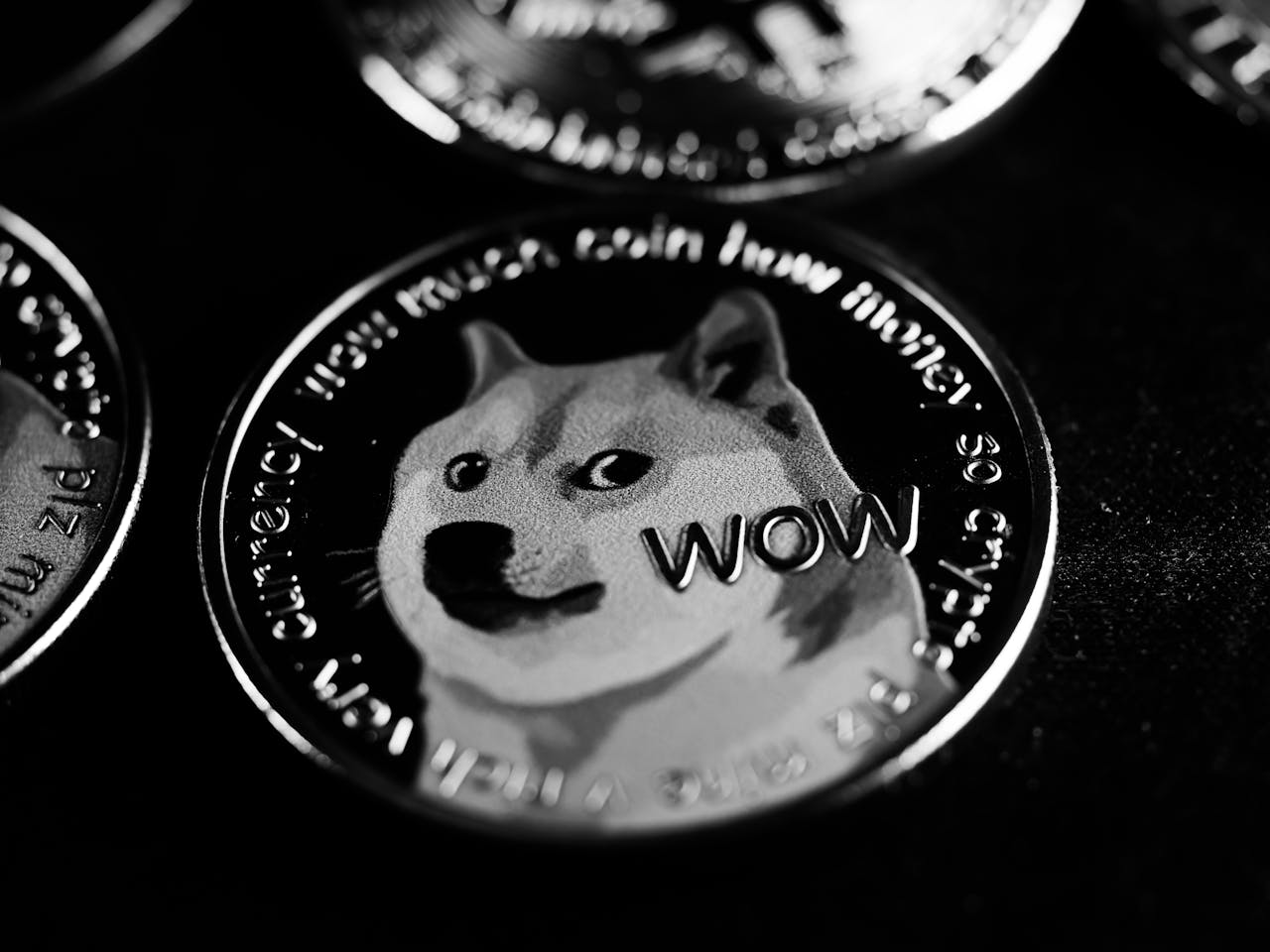
The research also identified how NAFO’s distinctive cartoon Shiba Inu mascots – known as “fellas” – have become recognizable symbols of pro-Ukrainian sentiment online, with their playful appearance belying their serious purpose in countering Russian disinformation.
Digital platforms have played a crucial role in amplifying these memetic campaigns. Twitter (now X), Reddit, and Telegram emerged as primary battlegrounds where pro-Ukrainian meme creators engaged directly with Russian propaganda efforts. The study noted how engagement-driven algorithms on these platforms can magnify the reach of particularly resonant memes, creating viral moments that penetrate mainstream media coverage.
However, the research also highlights significant challenges associated with meme warfare. Content moderators and platform policies struggle to keep pace with the rapidly evolving landscape, creating inconsistent oversight across digital ecosystems. The report raises concerns about the psychological impact of prolonged exposure to conflict-related content, even when presented in humorous formats.
“There are legitimate questions about the mental health implications for those deeply involved in these online information battles,” the researchers cautioned. “The lines between healthy engagement and harmful obsession can become blurred.”
The findings suggest broader implications for cybersecurity policy, media literacy education, and international relations. As state and non-state actors increasingly incorporate memetic strategies into their information operations, the ability to analyze and respond to these tactics becomes an essential component of national security frameworks.
The study concludes that memes have evolved from cultural curiosities into sophisticated instruments of soft power in modern conflicts. Their ability to bypass traditional information gatekeepers while resonating emotionally with global audiences represents a fundamental shift in how influence campaigns operate in the digital age.
For policymakers, security experts, and digital platforms, understanding this emerging landscape of memetic warfare has become crucial to navigating an increasingly complex information environment where the boundaries between entertainment, activism, and propaganda continue to blur.
Fact Checker
Verify the accuracy of this article using The Disinformation Commission analysis and real-time sources.

10 Comments
Memes have clearly become a powerful force in modern information warfare. This research highlights how online communities are harnessing their viral nature to influence public opinion and challenge dominant narratives. The rise of ‘digital volunteering’ is a fascinating and complex dynamic that warrants further exploration.
The role of the North Atlantic Fella Organisation (NAFO) in countering pro-Russian propaganda through meme campaigns is an intriguing case study. I’m curious to learn more about their specific tactics and the impact they’ve had in the ongoing Russia-Ukraine conflict.
This report on the growing influence of memes in modern propaganda campaigns is eye-opening. The ability of grassroots online collectives like NAFO to counter dominant narratives through coordinated meme efforts is a remarkable development. I’m curious to learn more about the specific tactics and strategies they employ.
The transformation of memes from simple jokes into sophisticated weapons of persuasion is a concerning trend. It’s crucial that we continue to study and understand how internet culture is being weaponized for propaganda purposes, both by state actors and grassroots movements.
This research really highlights the evolving nature of modern propaganda and the growing influence of internet culture. Memes can be potent tools for mobilizing public opinion and rallying support, as we’ve seen in the Russia-Ukraine conflict. It will be interesting to see how this ‘digital volunteering’ space continues to develop.
The findings about how memes have transformed from simple jokes into sophisticated weapons of persuasion are quite striking. The ability of grassroots online communities to counter dominant narratives through coordinated meme campaigns is an impressive and concerning dynamic.
Fascinating analysis on the power of memes in modern information warfare. Grassroots online communities can indeed be highly effective at countering state propaganda through viral meme campaigns. The role of ‘digital volunteering’ in shaping narratives is an intriguing development to watch.
I’m curious to learn more about the North Atlantic Fella Organisation (NAFO) and how they’ve leveraged memes to challenge pro-Russian narratives. Seems like a creative and agile approach to countering disinformation.
The rise of memetic warfare is a fascinating and concerning trend. Seeing how memes can be leveraged to shape narratives, challenge misinformation, and mobilize international support is a sobering reminder of the power of internet culture. I’ll be following this research with great interest.
The concept of ‘digital volunteering’ is an intriguing one, blending activism, advocacy, and internet culture. It will be important to better understand how these online communities operate and the real-world impact they can have in shaping global events.