


Listen to the article
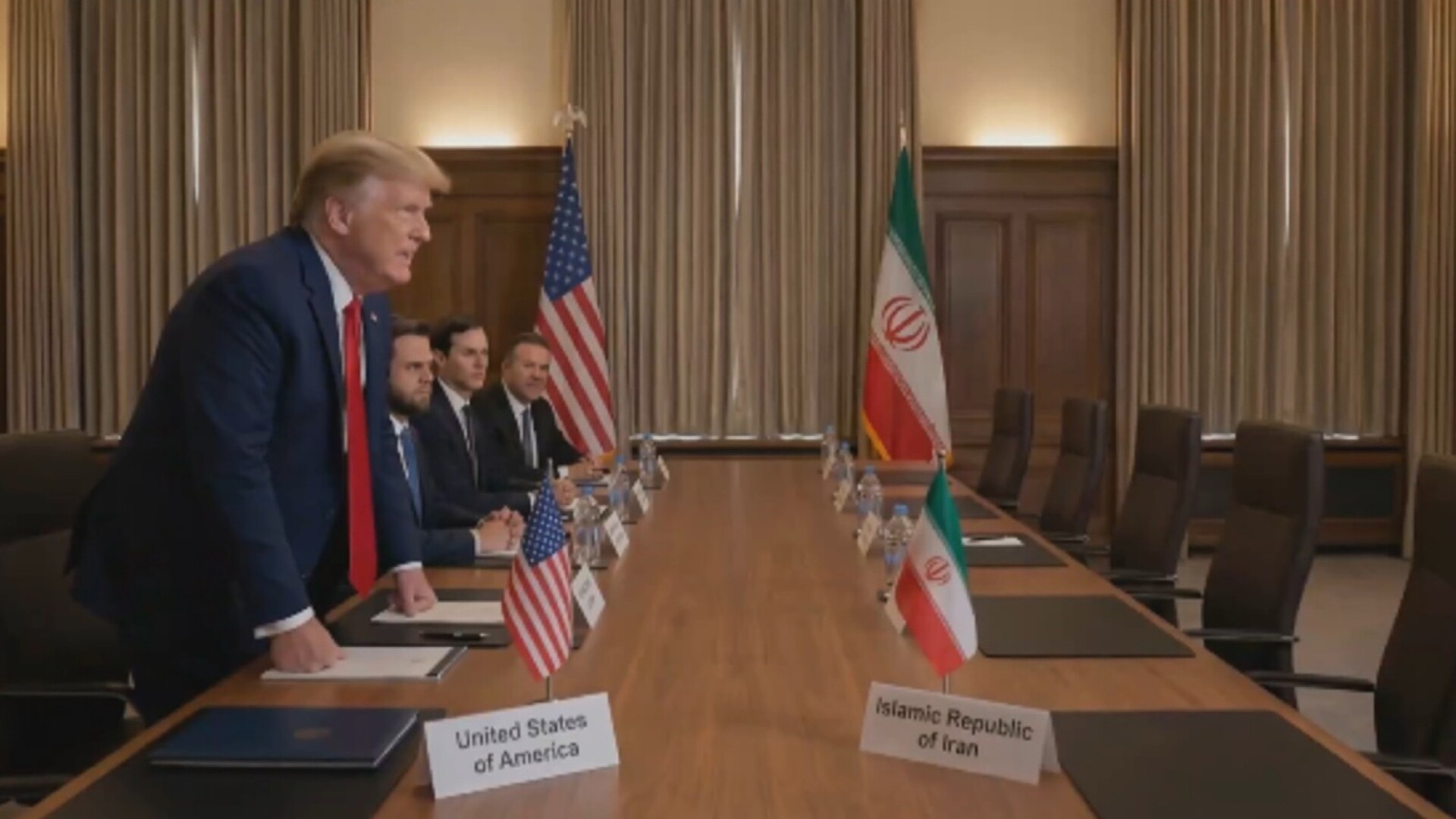
Iranian officials have escalated diplomatic tensions with the United States through a provocative social media post that appears to mock President Donald Trump’s ceasefire negotiation efforts in the Middle East, according to multiple sources familiar with the situation.
The Iranian consulate released a video on its official social media channels that satirizes Trump’s diplomatic initiatives aimed at extending the fragile ceasefire in the region. The post comes at a particularly sensitive moment in U.S.-Iran relations, which have deteriorated significantly in recent years following the U.S. withdrawal from the nuclear deal and the reimposition of sanctions.
Diplomatic observers note that the timing of the video is particularly significant, as it coincides with intensified American efforts to broker longer-term stability agreements between various parties in Middle Eastern conflicts. The ceasefire in question has been tenuous at best, with violations reported by multiple parties involved.
“This kind of diplomatic trolling is unusual even by the standards of Iran’s typically confrontational approach to the United States,” said Dr. Emma Richardson, an international relations expert at the University of Sydney. “It signals Tehran’s continued defiance and suggests they see little value in American-led peace initiatives.”
The video represents the latest chapter in a long-standing pattern of antagonism between Tehran and Washington. Relations have been especially strained since the 2018 U.S. withdrawal from the Joint Comprehensive Plan of Action (JCPOA), commonly known as the Iran nuclear deal, which had temporarily normalized some aspects of diplomatic engagement between the two nations.
Iran’s media strategy has increasingly incorporated social media platforms to project its messaging globally, despite the country’s own restrictions on these platforms domestically. Analysts suggest this approach allows Iranian officials to speak directly to international audiences while bypassing traditional diplomatic channels.
The Middle East ceasefire efforts have been a cornerstone of Trump’s foreign policy agenda in recent months, with the administration seeking to secure diplomatic victories ahead of domestic political considerations. The president has repeatedly touted his ability to negotiate peace agreements in the region, making Iran’s mockery particularly pointed.
Regional experts warn that such provocations could undermine already fragile peace processes. “When major regional powers openly mock ceasefire initiatives, it emboldens those on the ground who prefer continued conflict,” said Robert Malley, former Middle East coordinator at the National Security Council.
The incident highlights the complex media landscape surrounding international diplomacy, where social media increasingly serves as a platform for official communications that would once have been confined to diplomatic cables or formal press releases.
Iranian state media has amplified the consulate’s post, suggesting the mockery reflects official government position rather than a rogue action by consular staff. The Iranian government has not issued any formal clarification regarding the video.
The U.S. State Department has yet to issue an official response to the provocative post, though sources within the department indicate officials are monitoring the situation closely.
This latest development comes against a backdrop of increased regional tensions, including ongoing proxy conflicts in Yemen, Syria, and Iraq, where Iran and the United States back opposing sides. Oil markets have reacted with characteristic sensitivity to the news, with prices edging upward on concerns about potential escalation.
The digital provocation represents a modern twist in the long-standing diplomatic chess match between Tehran and Washington, showcasing how traditional geopolitical rivalries increasingly play out on social media platforms, with potential real-world consequences for regional stability and international relations.
Analysts suggest that while the immediate impact of such provocations may be limited, the cumulative effect of these incidents further complicates prospects for any meaningful diplomatic reset between the two nations in the near future.
Fact Checker
Verify the accuracy of this article using The Disinformation Commission analysis and real-time sources.

9 Comments
This video demonstrates Iran’s willingness to aggressively push back against the US, even in the diplomatic arena. It suggests that the two countries have very different visions for the future of the Middle East.
Interesting to see Iran responding so defiantly to US ceasefire efforts. Diplomatic trolling is risky but reflects the deep tensions between the countries. It will be crucial to maintain open communication channels, even amid the provocations.
You’re right, the video seems designed to needle the US and undermine its diplomatic initiatives. Both sides need to be careful not to escalate tensions further through tit-for-tat exchanges.
Iran’s trolling of US ceasefire efforts shows how difficult it will be to achieve lasting stability in the Middle East. The deep-seated hostility between the two countries makes diplomatic breakthroughs elusive.
Agreed. This video reflects the fundamental lack of communication and understanding between Iran and the US. Constructive engagement, not just confrontation, will be essential to making progress on regional conflicts.
This video shows Iran is determined to project strength and defiance, even as the US tries to broker ceasefires. Geopolitical tensions in the region remain very high, complicating efforts to achieve lasting stability.
Exactly. Iran appears to be signaling that it won’t be easily cowed by US pressure. Diplomatic breakthroughs will require both sides to show flexibility and a willingness to compromise.
The timing of this video is certainly provocative, coming as the US is working to extend ceasefires. It demonstrates the profound mistrust and animosity between Iran and the US, which is a major obstacle to conflict resolution.
You make a good point. This seems like a calculated effort by Iran to undermine US diplomacy and assert its own regional influence. Rebuilding trust between the adversaries will be extremely challenging.