


Listen to the article
In a tragic incident in Avoca, Arkansas, a drunk driving accident claimed the lives of two Rogers residents, highlighting ongoing tensions in the state’s immigration policy landscape.
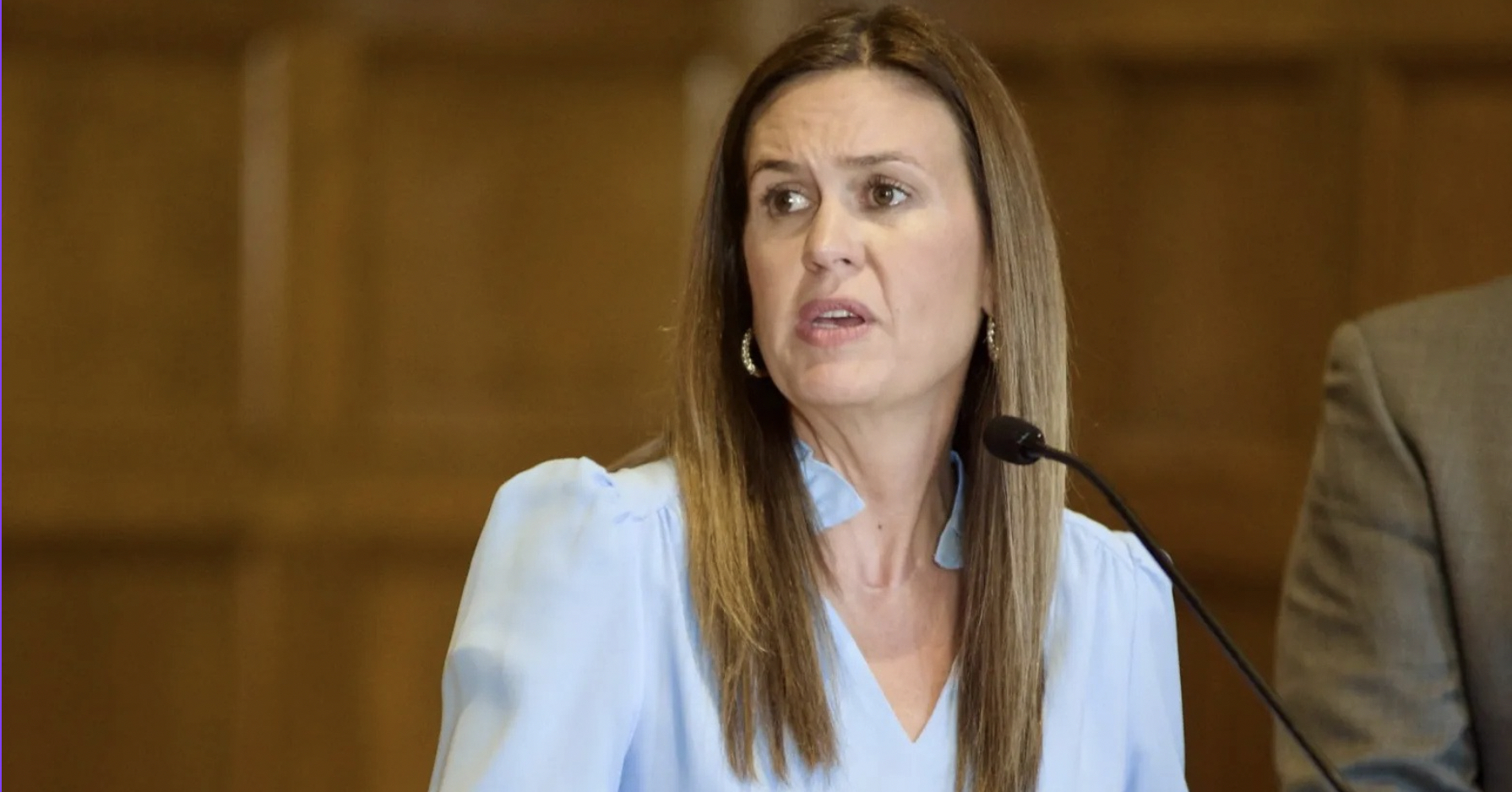
Michael Cordes, 70, and Freda Cordes, 67, died in the crash involving a driver identified by authorities as an undocumented immigrant. The incident prompted an immediate response from Governor Sarah Huckabee Sanders, who issued a formal statement connecting the tragedy to broader immigration debates.
“Every day that Senate Democrats delay funding for DHS is another day that immigration officials cannot operate at full capacity and apprehend the violent, criminal illegals hurting our communities,” Sanders stated. She praised Arkansas State Police for making an arrest and referenced her previously signed Defense Against Criminal Illegals Act, legislation designed to remove undocumented individuals with criminal records from the state.
The governor’s public response to the incident stands in stark contrast to her typical handling of drunk driving fatalities in Arkansas, where approximately 150 people die annually in alcohol-related crashes. This marks only the second time the governor’s office has issued a statement about a drunk driving death during her administration – both cases involved drivers who were undocumented immigrants.
Her previous statement came in September 2023 following the death of a Little Rock nurse in similar circumstances. Critics note that the selective highlighting of certain drunk driving incidents appears to align with the governor’s established policy priorities regarding immigration.
Sanders’ statement comes amid a contentious funding battle in Washington over the Department of Homeland Security and immigration enforcement resources. The governor explicitly connected the tragedy to these political discussions, claiming that funding delays impact the ability of immigration officials to operate effectively.
However, the governor’s characterization of undocumented immigrants as uniquely dangerous contradicts multiple research studies. Data from the U.S. Department of Justice, the CATO Institute, and the Brennan Center for Justice consistently indicate that undocumented immigrants are statistically less likely to commit crimes than native-born American citizens.
The framing of the incident has raised concerns among immigration advocates who point to the potentially dehumanizing language used to describe immigrant communities. Terms like “violent, criminal illegals” create a narrative that conflicts with empirical evidence about crime rates among immigrant populations.
Arkansas has seen increasing tension over immigration policy in recent years. The Defense Against Criminal Illegals Act, signed by Sanders last year, expanded state law enforcement authority regarding undocumented immigrants with criminal records, representing part of a broader trend of states implementing their own immigration enforcement measures.
Road safety experts note that addressing drunk driving requires comprehensive approaches regardless of the demographics involved. Arkansas continues to struggle with alcohol-related traffic fatalities at rates that demand attention beyond individual cases that gain political spotlight.
The incident occurs against the backdrop of national immigration policy debates, with former President Trump, whom Sanders referenced in her statement, promising expanded deportation efforts if returned to office. Meanwhile, state-level responses to immigration continue to reflect broader political divisions that shape public discourse around tragic events like the one in Avoca.
As the community mourns the loss of Michael and Freda Cordes, questions remain about how public officials choose which tragedies to highlight and the implications of those choices for public policy and community relations.
Fact Checker
Verify the accuracy of this article using The Disinformation Commission analysis and real-time sources.

9 Comments
While the governor’s concerns about public safety are understandable, I worry that her proposed legislation could have unintended consequences and further exacerbate tensions in the community. Addressing drunk driving requires a multi-faceted approach that considers the complex social and economic factors involved.
This is a heartbreaking situation, and my condolences go out to the victims’ families. However, I’m concerned that the governor’s response seems more focused on scoring political points than addressing the root causes of drunk driving. A more nuanced and evidence-based approach is needed.
I’m curious to see the governor’s response to this incident compared to her handling of other drunk driving fatalities in the state. Does she typically make such strong public statements, or is this an attempt to leverage a tragic event for political gain?
This is a sensitive and complex issue. While the governor’s concerns about public safety are understandable, I worry that her proposed solutions could further divide the community and distract from more holistic approaches to addressing drunk driving. We need to find ways to improve road safety for everyone.
It’s unfortunate that this incident is being used as a political football. Drunk driving is a serious problem that affects people from all backgrounds, and the focus should be on comprehensive solutions, not scapegoating. I hope the governor can take a more balanced and constructive approach moving forward.
While this accident is undoubtedly devastating, I’m not convinced that the governor’s proposed legislation is the right solution. Targeting undocumented immigrants with criminal records doesn’t address the larger issue of drunk driving, which affects people from all backgrounds. A more comprehensive approach is needed.
Exactly, we should be looking at broader road safety measures and access to addiction treatment services, rather than singling out a specific group.
This is a tragic incident, and my condolences go out to the victims’ families. However, I’m concerned that the governor is exploiting this to push a broader political agenda around immigration. Drunk driving is a serious problem that affects communities across the state, regardless of immigration status.
I agree, focusing solely on the immigration aspect seems like an attempt to score political points rather than address the root causes of drunk driving fatalities.