


Listen to the article
In the aftermath of the 2017 Charlottesville “Unite the Right” rally, the Southern Poverty Law Center (SPLC) saw its revenue more than double, a financial surge that is now being scrutinized following a Department of Justice indictment alleging the organization paid informants connected to the event’s organizers.
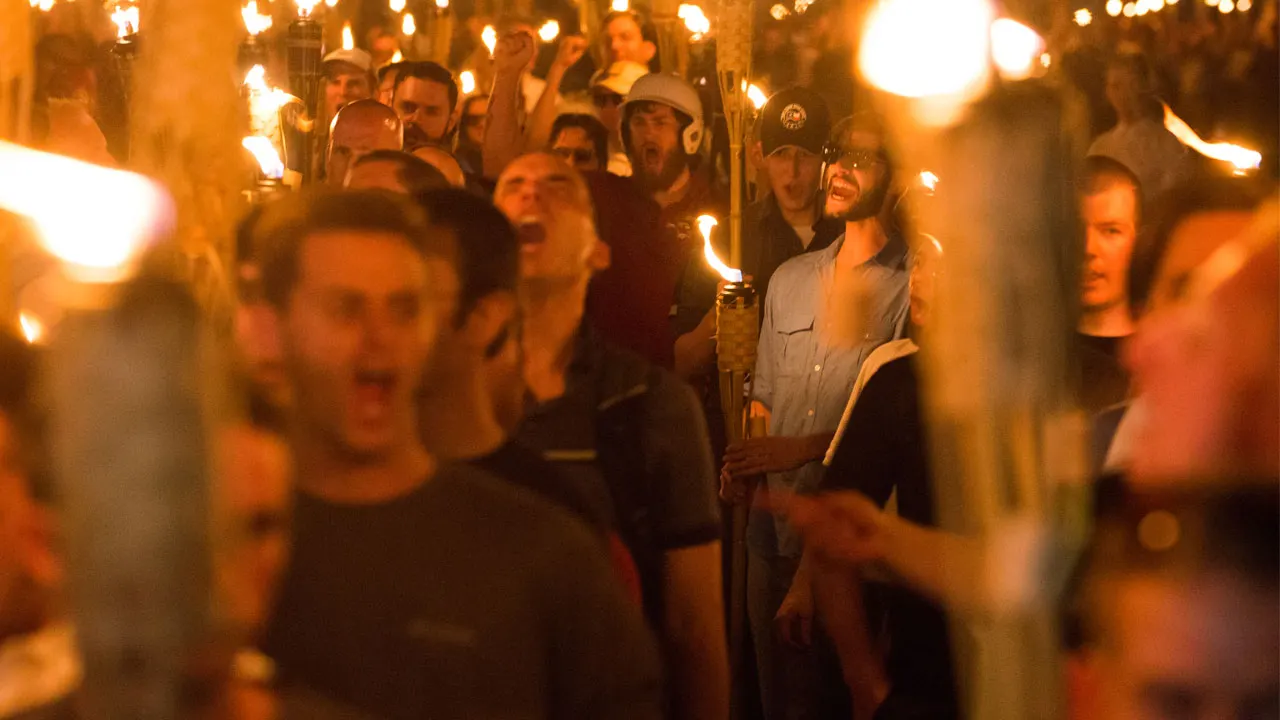
The deadly rally, which resulted in one woman’s death, became a defining moment in America’s reckoning with white nationalism and political violence. The event triggered widespread condemnation and led to a significant increase in donations to civil rights organizations, with the SPLC among the primary beneficiaries.
According to financial records examined by Fox News, the SPLC’s total public support and net assets grew from $51 million in 2016 to approximately $133 million by October 2017. This dramatic increase came in the months following the Charlottesville violence and was bolstered by high-profile donations from celebrities and business leaders, including George Clooney, Apple CEO Tim Cook, and MGM Resorts, which contributed $1 million.
The recent Department of Justice indictment has sparked renewed interest in the SPLC’s connection to the rally. The indictment alleges the organization maintained a “covert network” of informants dating back to the 1980s that infiltrated extremist groups, including the Ku Klux Klan, at the SPLC’s direction.
One informant, identified as “F-37” in court documents, was allegedly part of an “online leadership chat group that planned the 2017 ‘Unite the Right’ event.” According to the indictment, “F-37 attended the event at the direction of the SPLC. F-37 made racist postings under the supervision of the SPLC and helped coordinate transportation to the event for several attendees.” The Justice Department claims the SPLC paid this informant more than $270,000 between 2015 and 2023.
The SPLC has defended its practices, telling Fox News Digital that the allegations are “false” and maintaining that its work monitoring extremist groups has “saved lives.” The organization has vowed to vigorously defend itself and continue its mission of combating hate.
The Charlottesville rally had significant political implications that extended beyond the immediate aftermath. Former President Donald Trump’s response to the violence—particularly his comment about “very fine people on both sides”—became a lightning rod for criticism from the left. President Joe Biden later cited the Charlottesville events as a key motivation for his 2020 presidential campaign.
“I ran for president in 2020 because of what I saw in Charlottesville,” Biden said at the 2024 Democratic National Convention, describing “extremists coming out of the woods carrying torches, their veins bulging from their necks, carrying Nazi swastikas and chanting the same exact antisemitic bile that was heard in Germany in the early ’30s.”
Trump has consistently characterized criticism of his remarks as the “‘very fine people’ hoax,” maintaining that his comments were taken out of context and that he was referring to people who opposed removing Confederate monuments, not white supremacists.
Conservative critics are now questioning whether the SPLC’s use of paid informants may have played a role in amplifying or facilitating extremist activity. Journalist Batya Ungar-Sargon wrote on social media: “For years, the Left used the ‘Jews will not replace us’ 2017 Unite the Right rally as proof of rampant antisemitism on the Right. Turns out, it was underwritten by the Leftist SPLC, which allegedly funded organizers, supervised racist posts, and coordinated transportation.”
The 11-count indictment charges the SPLC with wire fraud, bank fraud, and conspiracy to commit money laundering—serious allegations that could result in significant financial penalties, restitution requirements, and asset forfeiture if proven in court.
As the legal process unfolds, the case raises complex questions about the ethics of using paid informants to monitor extremist groups and the potential unintended consequences when such tactics intersect with major political and cultural flashpoints like the Charlottesville rally.
Fact Checker
Verify the accuracy of this article using The Disinformation Commission analysis and real-time sources.

8 Comments
The dramatic increase in SPLC’s revenue following the Charlottesville rally is certainly noteworthy and raises valid questions about the organization’s activities and potential conflicts of interest. A comprehensive, independent investigation would help provide much-needed clarity.
The surge in SPLC’s revenue following the Charlottesville rally is notable, but the details around the DOJ allegations need to be carefully examined. Increased donations don’t necessarily equate to improper conduct, but the organization should address these concerns head-on.
The SPLC plays a vital role in monitoring and combating hate groups, but the reported financial windfall after the Charlottesville events raises questions that require thorough investigation. Maintaining the integrity of civil rights organizations is paramount.
While the SPLC’s mission is admirable, the DOJ allegations regarding informant connections are troubling and warrant a full and transparent inquiry. The public deserves to know the truth behind the organization’s funding sources and activities.
I agree, the SPLC should be forthcoming and address these allegations transparently. Maintaining public trust is essential for a non-profit watchdog organization.
While the SPLC’s mission is laudable, the reported financial windfall and alleged informant connections following the Charlottesville events are deeply troubling. A full, independent investigation is warranted to ensure the organization’s integrity and accountability.
This is an interesting development. While the SPLC’s work is important, the allegations of informant connections are concerning and deserve further scrutiny. Transparency around their funding and activities is crucial for maintaining public trust.
The SPLC has played an important role in monitoring hate groups, but these DOJ allegations are concerning and deserve a thorough, impartial examination. Transparency around the organization’s funding sources and operations is crucial for maintaining public confidence.