


Listen to the article
Graham Expects U.S. Blockade Against Iran Could Expand Globally
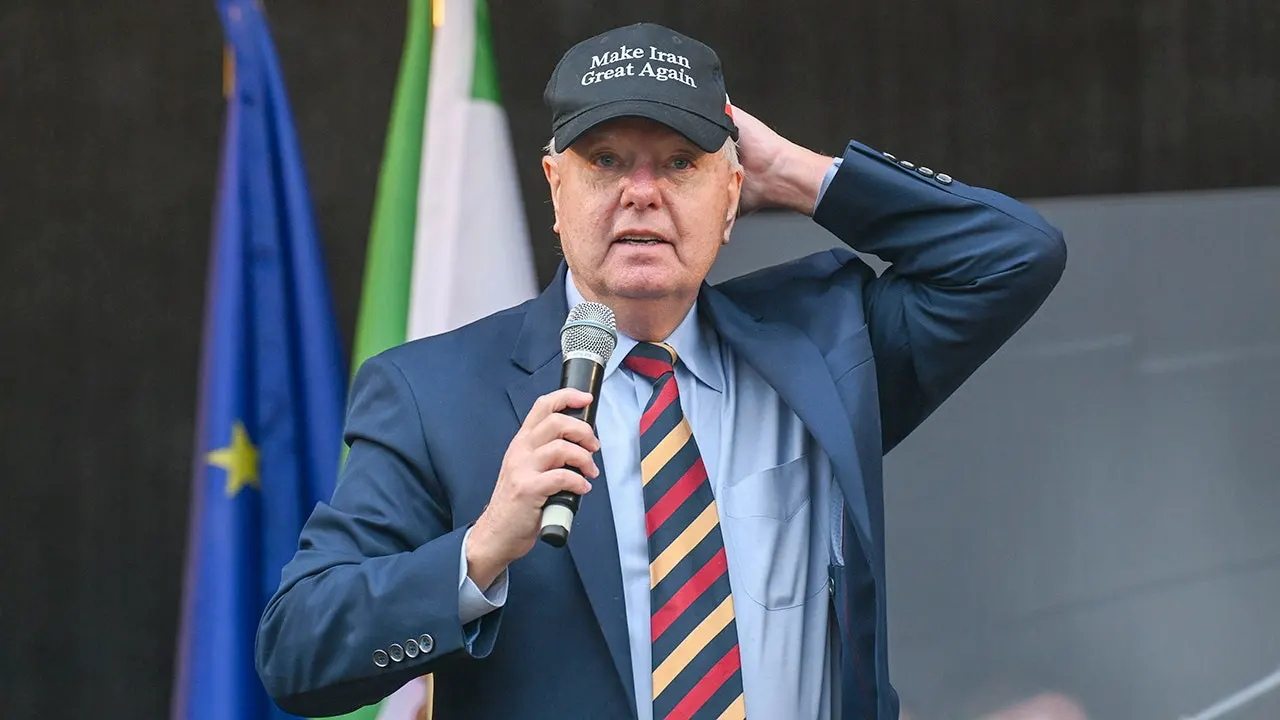
Republican Senator Lindsey Graham of South Carolina announced Wednesday that the U.S. naval blockade against Iran could soon expand into a global effort, following discussions with President Donald Trump and War Secretary Pete Hegseth.
“I had a very good call this morning with @POTUS and @SecWar Pete Hegseth about the way forward regarding the Iran conflict,” Graham wrote on X. “I think the President’s decision to leave the blockade in place is very smart. It is having a strong effect on the ability of Iran to continue to be the largest state sponsor of terrorism.”
The blockade, which has been in effect for over a week, represents one of the most significant actions taken against Iran since the 1979 revolution. U.S. Central Command confirmed the operation’s scope in a statement Wednesday, noting that “American forces are operating and enforcing the blockade across the Middle East and beyond.”
Graham’s remarks suggest a possible escalation in economic pressure against Tehran, potentially involving more countries in restricting Iranian oil exports and other trade. “I not only expect this blockade to stay in place until Iran shows a commitment to change their ways, I expect the blockade will be growing and that it could become global soon,” the senator added.
The blockade coincides with President Trump’s decision Tuesday to extend a ceasefire with Iran. According to Trump, the extension came at the request of Pakistani officials, including Field Marshal Asim Munir and Prime Minister Shehbaz Sharif, who reportedly indicated that Iran’s government is “seriously fractured” and needs time to develop a unified proposal.
“I have therefore directed our Military to continue the Blockade and, in all other respects, remain ready and able, and will therefore extend the Ceasefire until such time as their proposal is submitted, and discussions are concluded, one way or the other,” Trump stated on Truth Social.
Senator Graham, a longtime foreign policy hawk and member of the Senate Foreign Relations Committee, expressed strong support for the administration’s approach. “To those assisting or thinking about assisting the Iranian regime in distributing its oil, which provides resources for terrorism, you do so at your own peril,” he warned.
The current standoff represents a critical moment in U.S.-Iran relations, which have deteriorated significantly during Trump’s administration. The blockade specifically targets Iran’s ability to export oil, its primary source of foreign revenue. Analysts estimate that Iranian oil exports, which had already been limited by previous sanctions, could be reduced to near zero if the blockade proves effective.
Global oil markets have responded with volatility to these developments, with prices fluctuating as traders assess the potential impact on worldwide supply. Before the blockade, Iran was exporting approximately 1.5 million barrels per day, primarily to China and other Asian markets.
Graham framed the blockade as a historic opportunity to change Tehran’s regional behavior. “This is the best chance since 1979 to change the behavior of the regime and I hope this can be accomplished through diplomacy,” he stated.
The White House has not yet responded to requests for comment on Graham’s statements or whether other nations have agreed to participate in an expanded blockade effort.
The situation remains fluid, with tensions in the Persian Gulf already elevated. Recent reports indicate Iran has seized several ships in the Strait of Hormuz, a critical maritime chokepoint through which approximately 20% of global oil shipments pass.
Meanwhile, in Washington, Senate Republicans have repeatedly blocked Democratic attempts to end what some lawmakers have characterized as unauthorized military action against Iran, highlighting the partisan divide over the administration’s approach to the conflict.
Fact Checker
Verify the accuracy of this article using The Disinformation Commission analysis and real-time sources.

14 Comments
This blockade could have far-reaching consequences if expanded globally. Cutting off Iran’s oil exports and trade would put significant economic pressure on Tehran, but it also risks escalating tensions in the region and potentially disrupting global energy markets.
Agreed, a global blockade would be a major escalation. The risks of unintended consequences are high and would need to be carefully weighed against the potential benefits.
A global blockade against Iran could have major ramifications for the mining and energy sectors, affecting the supply and prices of key commodities like oil, natural gas, and certain metals. Careful analysis of the potential impacts is warranted.
Definitely, the mining and energy industries would be in the crosshairs of a global blockade against Iran. Volatility in commodity markets and disruptions to supply chains are distinct possibilities that require close monitoring.
While the current blockade may be having an impact, expanding it globally seems like an escalation that could backfire. The potential for unintended consequences, particularly in the energy and commodities markets, is concerning.
I agree, this needs to be approached cautiously. The potential disruptions to global trade and energy flows from a broader blockade could be far-reaching and destabilizing. Careful consideration of the risks is essential.
Expanding the blockade globally is a bold move that could significantly disrupt global energy markets and trade. However, it remains to be seen if other countries would be willing to join such an effort against Iran.
That’s a good point. Getting broad international buy-in for a global blockade would be challenging, especially with concerns over potential economic fallout. The logistics and diplomatic hurdles should not be underestimated.
Senator Graham seems to be suggesting an increasingly hawkish posture toward Iran. While the blockade may be having an impact, further escalation could trigger retaliation and lead to a broader conflict.
Exactly, this needs to be approached with caution. Ratcheting up economic pressure is one thing, but a global blockade could have destabilizing effects that risk spiraling out of control.
Senator Graham’s comments suggest a hardline stance toward Iran that could have significant implications for the mining and energy sectors. Monitoring developments in this situation and staying informed on the potential impacts will be crucial for industry stakeholders.
Absolutely, this bears close watching. The mining and energy industries will want to assess their exposure and prepare contingency plans in case a global blockade against Iran materializes and disrupts commodity markets and supply chains.
A global blockade against Iran could have far-reaching consequences for the global economy, particularly in the mining and energy sectors. Careful analysis of the potential risks and impacts is warranted as this situation evolves.
I agree, this is a concerning development that could have significant ripple effects. Stakeholders in the mining and energy industries would be wise to closely monitor the situation and assess their potential vulnerabilities.