


Listen to the article
The rise in hospice fraud across California has reached alarming levels, with fraudulent providers operating openly despite regulatory oversight, according to testimony delivered Tuesday to the House Ways and Means Committee.
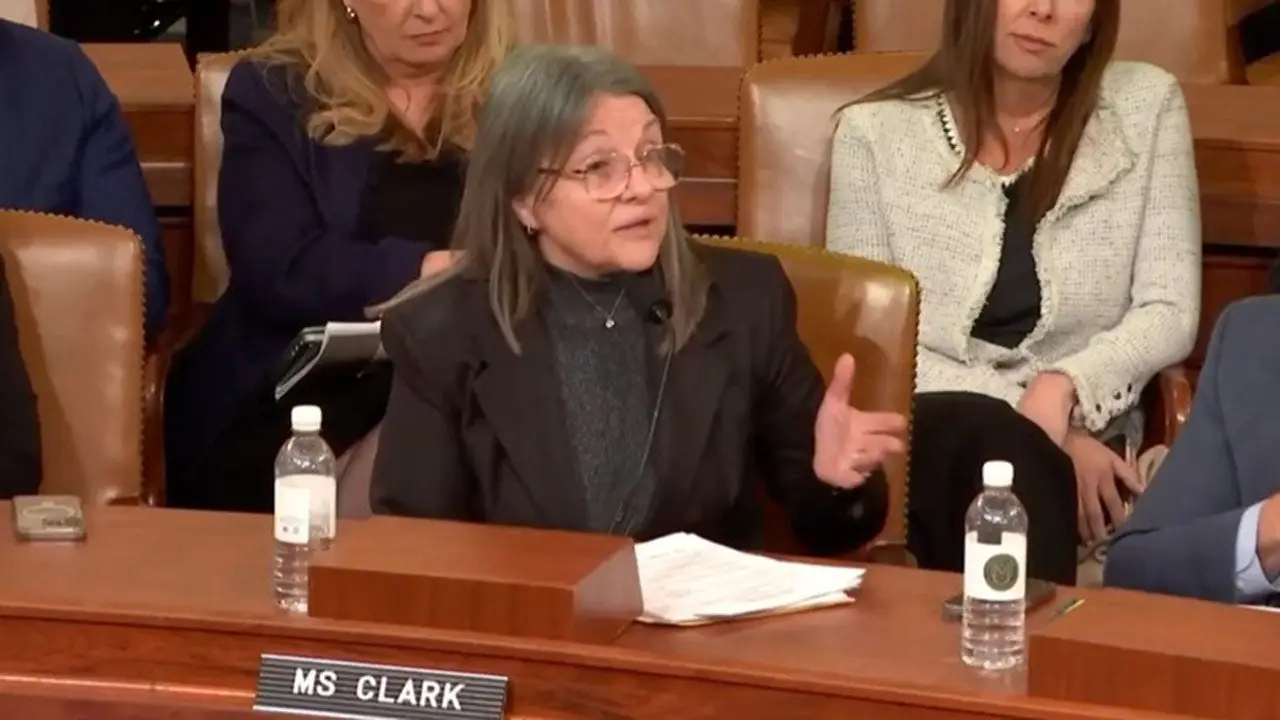
Sheila Clark, president and CEO of the California Hospice and Palliative Care Association (CHAPCA), painted a disturbing picture of the state’s hospice industry during her congressional testimony. Clark described facilities that exist only on paper, with physical locations that show clear signs of abandonment.
“You’d be amazed at how many hospices… the door you can walk up to in California and there is nobody there. Five months’ worth of mail that you can see stacked… nobody’s there,” Clark told lawmakers. “And that passed a survey. How did that happen?”
Clark’s nonprofit organization advocates for quality end-of-life care across California. She expressed bewilderment at how facilities with no actual operations could receive necessary certifications and licenses. “How do you put a hospice in a burrito stand in California? How do you put a hospice in an entire store in California?” she questioned, highlighting failures across multiple regulatory bodies meant to protect patients and taxpayers.
The human cost of this fraud was illustrated by Dr. Lynn Ianni, a licensed psychotherapist with nearly four decades of clinical experience. Ianni testified about being falsely enrolled in hospice care without her knowledge, which locked her out of her Medicare benefits for months.
“Imagine being told, in effect, that you are at the end of your life — when you are not — and then being denied access to care because of that error. It was not just frustrating,” Ianni said. “It was terrifying.”
When Ianni investigated the hospice where she was supposedly enrolled, she found a suspicious operation. “I looked it up. It appeared legitimate on the surface—listed on Medicare’s own website, with an NPI number, a named CEO, and an address. But the address led to what looked like a strip mall. The phone number went unanswered,” she explained.
The scope of the problem in California has grown to staggering proportions. In one example highlighted during the hearing, California State Assemblywoman Alexandra Macedo found 197 hospices registered to a single address at the Merabi Professional Medical Plaza Building in Van Nuys.
This hearing comes amid increased federal efforts to combat healthcare fraud nationwide. The Task Force to Eliminate Fraud, led by Vice President JD Vance, recently suspended 447 hospices in the Los Angeles area over more than $600 million in suspected fraud. Another crackdown resulted in charges against more than a dozen people involved in a scheme that allegedly defrauded taxpayers of over $50 million by enrolling people who weren’t terminally ill in hospice care.
Republican lawmakers have called for investigations into Medicare fraud, particularly in states where reports have documented hundreds of millions in fraudulent activity. The issue has political dimensions, with California Governor Gavin Newsom pushing back against implications that his administration has failed to address the problem.
“FACT: The state has no role in the Medicare billing or payment process,” Newsom’s press office stated on social media earlier this month in response to a CBS report on hospice fraud in California. “We are glad the Trump Admin is taking action to combat fraud. Now, if Trump could stop pardoning fraudsters—and hold them accountable—that would be great!”
The testimony highlights a growing crisis in end-of-life care that affects both vulnerable patients and taxpayers. As hospice fraud continues to flourish, it raises serious questions about the effectiveness of current regulatory frameworks and oversight mechanisms designed to ensure that hospice providers deliver legitimate, quality care to those who truly need it.
Industry experts note that the rapid growth in fraudulent hospice operations threatens to undermine public trust in legitimate hospice care, which plays a crucial role in providing compassionate support to terminally ill patients and their families. The ongoing federal crackdown signals increased attention to this issue, but testimony suggests much work remains to close regulatory gaps that allow fraudulent operations to obtain certification and bill Medicare for services never rendered.
Fact Checker
Verify the accuracy of this article using The Disinformation Commission analysis and real-time sources.

13 Comments
Hospice care is a vital service that should be provided with the utmost care and integrity. The prevalence of fraudulent providers is an inexcusable betrayal of public trust that demands immediate action from lawmakers and regulators.
Putting a hospice in a burrito stand or vacant storefront is the height of absurdity. This level of regulatory failure is unacceptable and puts vulnerable patients at serious risk. Congress needs to take immediate action.
This is a concerning issue that requires immediate attention. Stronger oversight and tighter regulations are clearly needed to prevent fraudulent hospice providers from exploiting vulnerable patients and their families.
Regulatory bodies need to thoroughly investigate these facilities and take swift action to shut down any operations found to be fraudulent or lacking proper certification.
The idea of hospices existing only on paper, with no actual operations or staff, is deeply disturbing. This level of fraud is unacceptable and puts vulnerable patients in harm’s way. Urgent reform is needed to protect end-of-life care.
This is a deeply concerning issue that highlights the urgent need for stronger oversight and accountability in the hospice care industry. Patients and their families deserve better protection from fraudulent providers.
It’s alarming to hear about the extent of hospice fraud in California. Regulators and lawmakers must work together to close the loopholes that allow these unscrupulous providers to operate with impunity and put patients at risk.
It’s appalling that hospices can operate without proper oversight and licensing. This puts patients at serious risk and undermines the integrity of the entire hospice care system. Congress must act decisively to address these failures.
Regulators should conduct unannounced inspections and implement robust financial audits to ensure hospice providers are adhering to all required standards and protocols.
This is a troubling example of how lax regulations can enable bad actors to exploit a sensitive, vital industry. Stronger oversight and tighter licensing requirements are clearly needed to safeguard hospice patients and their families.
Hospice care is meant to provide compassionate, high-quality support to patients and their loved ones during a difficult time. The fact that fraudulent providers can operate with impunity is a grave injustice that must be addressed.
This is a deeply troubling situation that highlights the need for comprehensive reform of the hospice care industry. Tighter regulations, stronger oversight, and more robust enforcement mechanisms are essential to protect vulnerable patients and their families.
The fact that facilities with no actual operations can receive the necessary certifications and licenses is mind-boggling. This speaks to a systemic failure that Congress must address through tighter regulations and more robust enforcement.