


Listen to the article
Frigid temperatures in Alaska have forced a significant reduction in oil production across the state’s North Slope, with output decreasing by approximately 30% according to industry officials. The extreme cold has created operational challenges for producers in one of America’s most important energy regions.
The North Slope, which typically produces around 440,000 barrels of oil per day, has seen production fall to roughly 310,000 barrels daily as operators struggle to maintain equipment functionality in temperatures that have plunged well below zero degrees Fahrenheit. These harsh conditions have affected various aspects of the production process, from well operations to pipeline transport.
“When you’re dealing with temperatures this low, everything becomes more challenging,” said Michael Reynolds, an energy analyst specializing in Arctic oil production. “Mechanical equipment becomes brittle, fluids thicken, and safety concerns for workers increase dramatically.”
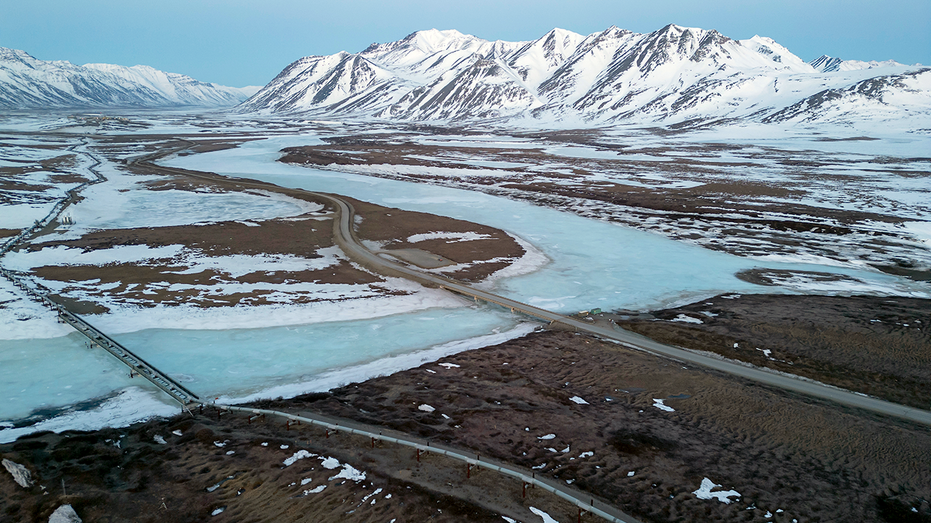
The Trans-Alaska Pipeline System (TAPS), which transports crude oil 800 miles from Prudhoe Bay to the port of Valdez, continues to operate but at reduced capacity. The pipeline, a critical piece of U.S. energy infrastructure since 1977, is designed to withstand extreme conditions but still faces operational constraints during severe cold spells.
Industry representatives indicate that companies are implementing contingency plans developed specifically for such weather events. These include rotating crews more frequently to limit cold exposure, deploying specialized heating equipment around critical infrastructure, and in some cases, temporarily shutting down wells that are most vulnerable to freezing.
The production slowdown comes at a sensitive time for global oil markets, which have shown increased volatility in recent months due to geopolitical tensions in the Middle East and supply chain disruptions. While Alaska’s contribution to global oil supply is modest compared to giants like Saudi Arabia or Russia, any significant disruption adds pressure to an already tight market.
“The timing is certainly not ideal,” noted Sarah Johnson, commodities strategist at Capital Market Advisors. “While a temporary disruption from Alaska won’t dramatically shift global prices, it does remove a portion of domestic production at a time when the market is particularly sensitive to supply changes.”
For the state of Alaska, which relies heavily on oil revenues to fund government operations, the production decrease represents both an immediate financial concern and a reminder of the challenges faced by Arctic energy production. The state derives approximately 80% of its tax revenue from the oil and gas industry, making any significant disruption a potential budget issue.
Local communities that depend on oil industry jobs are also feeling the impact. In Deadhorse and other support centers for North Slope operations, service companies have reported reduced activity as operators focus solely on essential maintenance tasks.
Climate scientists point out that while Alaska has always experienced extreme weather, the frequency and intensity of both cold snaps and warm periods have increased in recent years – consistent with climate change predictions for Arctic regions. This variability creates additional planning challenges for an industry that requires consistent conditions for optimal operations.
Industry experts expect production to gradually return to normal levels as temperatures moderate, though the timeline remains dependent on weather patterns. Most operators have indicated they are prioritizing safety over rapid restoration of production capacity.
“We’ve been operating in these conditions for decades, but that doesn’t make it easy,” said Robert Thompson, a veteran oil worker with 30 years of experience on the North Slope. “Everyone understands the importance of taking extra precautions during these extreme weather events, even if it means temporarily reducing output.”
The current situation highlights the ongoing challenges of resource extraction in remote and environmentally demanding regions like Alaska’s North Slope, where engineering ingenuity continues to be tested against some of nature’s harshest conditions.
Fact Checker
Verify the accuracy of this article using The Disinformation Commission analysis and real-time sources.

20 Comments
It’s remarkable how the frigid temperatures in Alaska are creating so many operational challenges for producers. Safety and equipment functionality must be top priorities in these harsh conditions.
Absolutely, the workers’ safety needs to come first. Adapting operations to function in sub-zero temps is no easy feat.
I’m curious to see how this drop in Alaskan oil output will impact global energy markets in the short term. Might it lead to price volatility or supply chain issues?
I wonder if this production decline will spur renewed interest in alternative energy development in Alaska, like geothermal or wind power, to reduce reliance on fossil fuels.
That’s an interesting idea. Exploring more renewable options could help mitigate the risks posed by extreme weather events in the region.
The Trans-Alaska Pipeline System is a vital piece of energy infrastructure. Hopefully the reduced capacity won’t cause too many logistical headaches for producers and refiners.
A 30% drop in North Slope oil production is quite substantial. I wonder how long these reduced output levels will persist and what the broader economic impacts could be.
Good point. The duration of these production declines will be crucial. Prolonged disruptions could strain supply and lead to price spikes.
Extreme weather is becoming an increasing concern for energy producers worldwide. This situation in Alaska shows the importance of investing in resilient infrastructure and diversified supply chains.
It’s fascinating to see how the extreme Arctic conditions can create such challenges for the oil and gas industry. Adaptability and resilience are key in these environments.
The North Slope is such a vital part of America’s energy landscape. I hope the industry is able to quickly adapt and recover from these production challenges.
While disruptions to North Slope production are concerning, it’s good to see that the industry is working to maintain operations as safely as possible in these brutal conditions.
Absolutely. Safety of the workers has to be the top priority, even if it means accepting some temporary production cuts.
The North Slope is such a critical energy region, so disruptions there could have ripple effects across the industry. I hope producers can find ways to maintain operations despite the extreme weather.
While the production declines are concerning, it’s good to see the industry prioritizing safety and working to maintain operations as best they can in these harsh conditions.
This situation highlights the vulnerability of our energy infrastructure to changing climate conditions. Diversifying energy sources and improving resilience should be priorities.
Interesting to see how extreme weather conditions can significantly impact oil production. The North Slope is a crucial energy region, so any disruptions there could have broader implications for the industry and supply.
It’s impressive that the industry is able to operate at all in conditions this frigid. The technological and logistical challenges must be immense.
Agreed. Extracting and transporting oil and gas in the Arctic requires remarkable feats of engineering and perseverance.
This is a good reminder of how vulnerable some of our energy production can be to severe weather events. Diversifying energy sources and improving grid resilience seem prudent.