


Listen to the article
In the aftermath of a fatal stabbing at De Montfort University (DMU) in Leicester, a dangerous vacuum of information allowed misinformation to flourish, highlighting the challenges authorities face in the social media era.
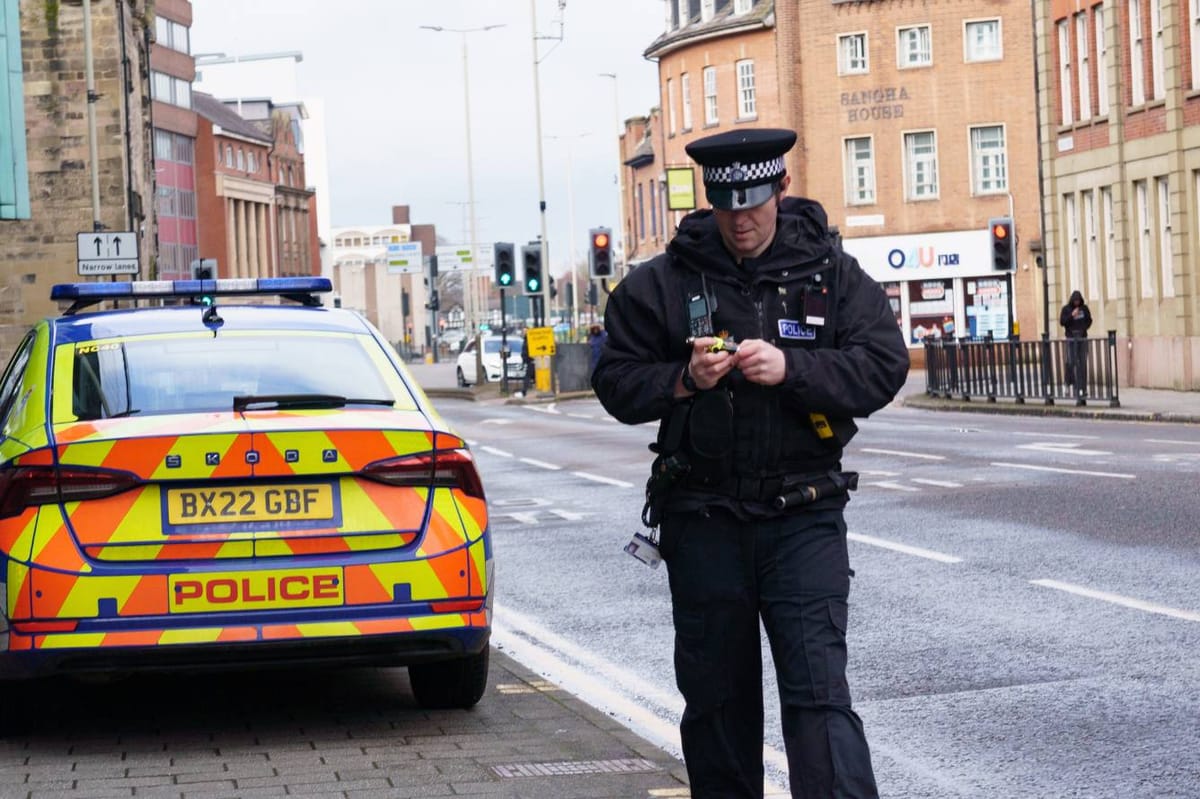
The incident began on Tuesday, February 3, when roads near DMU were closed following what police initially described only as “an incident.” For approximately 18 hours, both Leicestershire Police and university officials remained silent on details, creating an information void that was quickly filled by speculation and rumor.
By the following morning, news finally broke that 20-year-old DMU student Khaleed Oladipo had been fatally stabbed. During the critical hours before this official announcement, false information spread rapidly both online and through word of mouth across the campus community.
“The lack of communication creates a vacuum which gets filled up with the rumour mill,” explained Shockat Adam, MP for Leicester South. “They’re not taking into account that with social media, if they don’t say anything, other people will.”
The most prevalent rumor claimed that a “triple stabbing” had occurred on campus. This misinformation became so widespread that many students accepted it as fact. Jack Harrison, a computer science student at DMU, recalled: “When I got to lecture everybody was talking about it, most of the rumours I heard were people saying ‘oh, there’s been a triple stabbing.'”
One possible source of this particular falsehood may have been an unrelated police appeal regarding three men involved in an assault at nearby Loughborough University’s student union. The proximity of the DMU stabbing to its own student union potentially led to confusion that morphed into the “triple stabbing” narrative.
Online newspaper UK News In Pictures published a story claiming Leicester was “rocked” by a “triple stabbing,” citing an alleged witness as their source – a claim that was never verified.
More troubling was how the information vacuum enabled racist and anti-immigration narratives to proliferate on social media platforms, particularly X (formerly Twitter) and Facebook. Before either the victim or alleged attacker was identified, numerous accounts rushed to blame immigrants for the incident.
Inflammatory phrases like “Islamic state of Leicester” appeared in multiple posts, while comment sections filled with racist dog whistles. Far-right activist James Goddard, who has previously been charged with racially aggravated harassment, used his platform to falsely claim “Stabby Africans” were behind the attack and that DMU had issued NDAs to staff because “the attacker is an Islamist.”
This pattern of misinformation mirrors similar incidents following other tragic stabbings in the UK, where bad actors have hijacked events to stoke division and outrage along racial lines.
Leicestershire Police defended their communication approach, stating: “Following the report being received, emergency services were deployed and a scene preservation was put in place to secure any evidence and allow the investigation to begin.” They added that time was needed to notify the deceased’s next of kin, “in line with the force’s victim-first approach.”
However, MP Adam suggested that protocols developed before the social media era may no longer be fit for purpose. The rapid spread of misinformation demonstrates how social media can both muddy waters through speculation and, more nefariously, harness public fear for engagement.
Under existing law in England and Wales, sending threatening, abusive or offensive messages on social media constitutes a criminal offense. However, content moderation largely depends on social media companies enforcing their own guidelines – a process that has become less consistent on platforms like X since Elon Musk took control and scaled back content policies.
Perhaps most distressing is that following Khaleed Oladipo’s death, his grieving family, friends and community were likely exposed to the swirl of misinformation surrounding the tragedy – adding unnecessary pain to an already devastating situation.
The case underscores the growing challenge for authorities to balance investigative integrity with the need for timely, accurate information in an era where misinformation spreads at unprecedented speed.
Fact Checker
Verify the accuracy of this article using The Disinformation Commission analysis and real-time sources.

7 Comments
This is a sobering reminder of the importance of clear, transparent communication, especially in sensitive situations. The university and police must work to rebuild trust in their handling of this incident.
Tragic loss of life. I hope the investigation uncovers the full truth of what happened and that the university takes steps to improve campus safety and emergency response protocols.
Tragic circumstances. Universities should have robust emergency plans and communication protocols to manage crises like this and keep the community informed. Transparency is key to avoiding misinformation.
Tragic incident, but transparency and clear communication by authorities are crucial to avoid misinformation spreading. Social media amplifies rumors, so officials need to be proactive in sharing verified facts.
The lack of immediate information allowed rumors to spread, which can be very damaging. Authorities need to find ways to share verified details quickly, while still respecting the integrity of the investigation.
This highlights the challenges universities and law enforcement face in the digital age. Providing timely and accurate information to the public is essential to maintain trust and prevent panic.
You’re right. Authorities need to strike the right balance between protecting an investigation and keeping the community informed. Transparent communication can help dispel false narratives.