


Listen to the article
Fraud Trends in Travel Insurance Spike 97% Amid Digital Deception
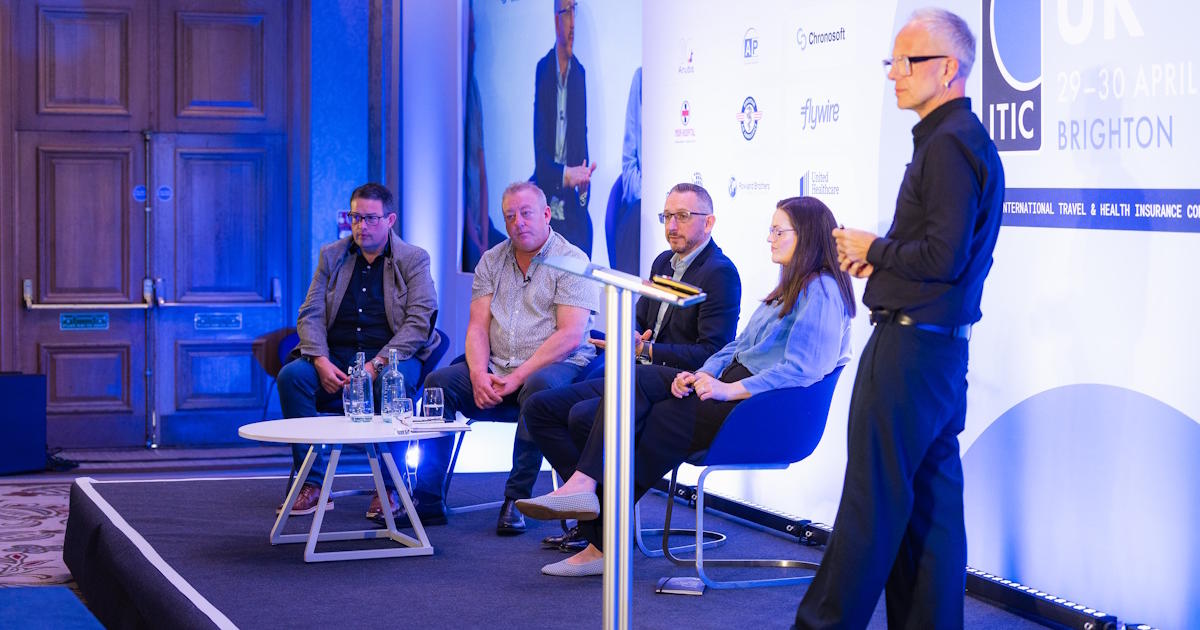
Insurance fraud in the UK travel sector has nearly doubled over the past year, with new digital techniques like synthetic identities and AI-generated evidence posing significant challenges to insurers, industry experts revealed at the ITIC UK conference in Brighton this week.
Nicola Smith, Intelligence and Investigations Manager at the Insurance Fraud Bureau (IFB), presented alarming statistics from the Association of British Insurers showing fraudulent travel insurance claims surged 97% between 2023 and 2024, reaching approximately 2,020 cases.
“While the figure appeared impressive in isolation, the increase in detection was based on a relatively small base number, and it is likely that a lot of travel fraud continues to go unreported or undetected,” Smith cautioned attendees.
The overall insurance sector recorded a 12% increase in fraudulent claims during the same period, with total detected claims fraud valued at approximately £1.16 billion. Travel insurance fraud, while growing rapidly, typically involves smaller amounts—averaging around £3,000 per claim compared to £13,000 across all insurance sectors.
Smith highlighted two sophisticated techniques currently favored by fraudsters. “Synthetic identities” combine genuine and fictitious information to create digital personas that can’t be traced to real individuals. Unlike stolen identities, these synthetic creations won’t trigger alerts from actual people discovering their information has been compromised.
Perhaps more concerning is the rapid proliferation of deepfakes and AI-generated content supporting fraudulent claims. “This is probably the biggest threat to the entire industry,” Smith warned, noting that technology has “lowered the bar to entry to commit fraud.”
The international dimension compounds these challenges, with over 70% of fraudulent claims reported in the UK originating from overseas or having cross-border elements. “Digitisation has made fraud a borderless issue,” Smith explained.
Gary Sommerford, Director at Larus Consulting, detailed specific fraud patterns plaguing the sector. “Did you know that Britons lose more Louis Vuitton luggage than is actually sold in the UK?” he remarked, underscoring that baggage claims represent one of the most prevalent types of travel insurance fraud. Common tactics include exaggerating contents, fabricating losses, staging thefts, or claiming for pre-existing damage.
Personal possession claims for “multiple or high-end goods” frequently feature forged documentation and fraudulent pre-travel valuations. Cancellation, curtailment, and missed departure claims often involve misrepresentation or completely fictional bookings.
Medical fraud presents unique challenges, with fraudsters sometimes collaborating with healthcare providers. “Some providers overcharge, some providers overservice,” Sommerford explained. “We have a real problem with remote clinics – it’s very difficult to check they exist, and that they have the facilities and speciality to provide the services that have been billed.”
A growing trend involves accommodation owners attempting to claim for pre-existing property damage, sometimes without travelers’ knowledge but occasionally through collusion.
Simon Cook, Director of Investigation Services – International at Charles Taylor Group, pointed to systemic vulnerabilities in the industry’s fraud detection infrastructure. The UK’s Claims and Underwriting Exchange (CUE), a nationwide database supporting fraud investigations, currently lacks travel insurance data, creating a significant blind spot.
Cook recommended insurers invest in dedicated fraud investigation teams while leveraging trusted third-party investigators with global expertise. For overseas claims, he emphasized that physical investigation produces better results than remote inquiries.
Advanced technology solutions, including document analysis software and automated fraud detection systems, perform best when deployed at the enterprise level, according to Cook. He described how AI is transforming the industry from reactive methods like static rules and manual reviews toward proactive approaches that can model emerging fraud trends before criminals exploit vulnerabilities.
Despite these technological advances, Cook stressed the importance of human oversight: “AI will only ever assist human investigators, not replace them.” He advocated for stronger preventive measures during the application process and better training for frontline staff to dissuade potential fraudsters before claims are even submitted.
As digital deception techniques continue to evolve, the travel insurance industry faces mounting pressure to adapt its fraud detection methods while maintaining service levels for legitimate claimants.
Fact Checker
Verify the accuracy of this article using The Disinformation Commission analysis and real-time sources.

14 Comments
The 97% increase in detected fraudulent travel insurance claims is a startling statistic. While the industry has made progress in identification, the article suggests the actual scale of the problem may be much larger. Insurers will need to significantly enhance their fraud detection capabilities.
Agreed, the industry needs to take a proactive, data-driven approach to get ahead of this issue. Improving fraud analytics and leveraging advanced technologies will be crucial to effectively combat this growing threat.
Fascinating to see the rapid rise in travel insurance fraud, especially with new digital deception tactics. It’s concerning that so much may still go undetected. Insurers will need to stay vigilant and develop robust detection capabilities to combat this growing threat.
Agreed, the scale of the problem seems quite alarming. Proactive measures to identify fraud patterns and stay ahead of the fraudsters will be crucial.
This report highlights the significant challenges the insurance industry faces in combating the surge in travel insurance fraud. The use of synthetic identities and AI-generated evidence is particularly concerning and will require innovative solutions.
The statistics on the surge in fraudulent travel insurance claims are really eye-opening. It’s clear the insurance industry faces major challenges in staying ahead of increasingly sophisticated fraud methods.
Absolutely, the industry will need to invest heavily in advanced analytics and fraud detection tools to effectively tackle this issue. Staying one step ahead of the fraudsters is critical.
While a 97% increase in detected travel insurance fraud sounds dramatic, the article notes it may represent just the tip of the iceberg. Insurers will need to get much better at uncovering the full extent of this problem.
This report on the growing threat of travel insurance fraud is a sobering wake-up call for the industry. Synthetic identities and AI-generated evidence are particularly concerning new tactics that will require innovative solutions.
Agreed, the industry needs to get ahead of these emerging fraud methods. Advanced data analysis and AI-powered fraud detection will likely be essential tools in the fight against this problem.
The spike in fraudulent travel insurance claims is a major concern, especially given the challenges posed by digital deception techniques. Insurers will need to significantly ramp up their fraud prevention and detection capabilities to stay ahead of the curve.
It’s worrying to see such a dramatic rise in travel insurance fraud, particularly with the emergence of more sophisticated digital fraud tactics. Insurers will need to invest heavily in data analytics and advanced fraud detection to combat this growing threat.
Absolutely, the industry needs to take a proactive, technology-driven approach to stay one step ahead of the fraudsters. Robust fraud prevention strategies will be essential to protect the sector.
The rapid rise in travel insurance fraud, fueled by new digital deception tactics, is a major concern for the industry. Insurers will need to invest heavily in fraud prevention and detection capabilities to stay one step ahead of the fraudsters.