


Listen to the article
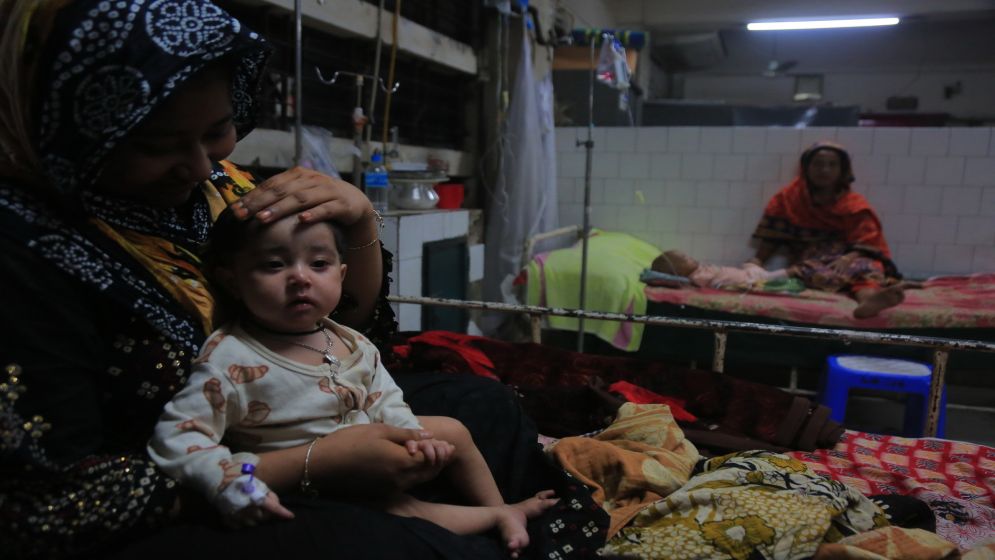
Bangladesh’s measles outbreak has claimed at least 38 children’s lives, with reports suggesting the death toll may have exceeded 40 in recent days as the highly contagious disease spreads rapidly across Dhaka and numerous districts throughout the country.
The surge in cases has been dramatic, rising from just 51 in January to more than 500 by March. More alarming is the test positivity rate, which has skyrocketed to 54%, an unprecedented increase from the typical rate of less than 4% observed in normal circumstances.
Healthcare facilities across multiple regions, including Dhaka, Mymensingh, and Rajshahi, report being overwhelmed with patients. Some hospitals have documented dozens of measles-related deaths in a single month, straining already limited resources.
While Bangladesh grapples with this legitimate public health emergency, a parallel crisis of misinformation has complicated response efforts. Social media and some news outlets have circulated claims that the country faced a complete vaccine shortage or that immunization programs had entirely ceased during the interim government period.
These narratives, often amplified by political figures using incomplete information, have distorted public understanding of the crisis. The reality is more complex – vaccination programs never fully stopped in Bangladesh, and coverage has generally remained relatively high, hovering at or above 90% in recent years, though with some decline during periods of disruption.
Public health experts point out that the primary issue wasn’t a complete absence of vaccines but rather significant breakdowns in delivery systems. Field-level disruptions, including healthcare worker protests, gaps in funding after health program cycles lapsed, and logistical failures all contributed to reduced outreach and routine immunization during critical periods.
“The infrastructure for vaccination remained largely intact, but getting vaccines to children, particularly in remote areas, became increasingly challenging,” explained one health official speaking on condition of anonymity. “When you combine even small drops in coverage with measles’ extreme contagiousness, you create conditions for an outbreak.”
Further complicating matters, official statements have sometimes contradicted available data. Some government representatives have claimed measles vaccination hadn’t occurred for years – assertions that conflict directly with administrative records and program data that show ongoing, if sometimes diminished, vaccination efforts.
A critical factor often overlooked in reporting is the age distribution of cases. A substantial proportion of infections and deaths are occurring among infants under 9 months of age – a group not yet eligible for routine measles vaccination under standard protocols. In some hospitals, up to 70% of cases fall into this vulnerable demographic, highlighting biological vulnerability rather than solely program failure.
Epidemiologists note that measles is particularly unforgiving of even small gaps in population immunity. The virus requires approximately 95% vaccination coverage to prevent community transmission, making it exceptionally sensitive to any reduction in immunization rates. Bangladesh’s experience aligns with global patterns where outbreaks quickly follow even minor declines in vaccine coverage.
“What we’re seeing is textbook measles epidemiology,” said a public health researcher familiar with Bangladesh’s immunization program. “The virus finds pockets of susceptibility and spreads rapidly, particularly affecting those too young to be vaccinated and communities where coverage has slipped.”
The Bangladesh government, in partnership with international health organizations, has launched emergency vaccination campaigns targeting high-risk areas while working to strengthen routine immunization services. These efforts face the dual challenge of addressing the immediate outbreak while rebuilding confidence in the vaccination program amid circulating misinformation.
Public health messaging now emphasizes the importance of community-wide vaccination to create “herd immunity” that protects vulnerable groups, including infants too young for vaccination. Health officials are also working to address the operational and logistical gaps that contributed to the current crisis.
As Bangladesh works to contain this outbreak, the situation serves as a stark reminder of measles’ persistent threat and the critical importance of maintaining robust vaccination systems – particularly during periods of political transition or social disruption.
Fact Checker
Verify the accuracy of this article using The Disinformation Commission analysis and real-time sources.

12 Comments
Outbreaks like this underline the need for strong public health infrastructure and robust disease surveillance. I hope the Bangladeshi government can quickly contain the spread of measles and provide proper medical care to those affected.
Absolutely. Investing in public health systems is essential to respond effectively to emerging health crises. Misinformation only complicates matters, so tackling that should be a priority.
This is a very concerning development. The measles outbreak in Bangladesh highlights the importance of accurate public health information and robust vaccination programs. Misinformation only exacerbates these kinds of health crises.
Agreed. Containing the spread of measles requires a coordinated effort between healthcare authorities and the public. Addressing misinformation is crucial to ensure people have access to the facts and can make informed decisions.
The high test positivity rate for measles is alarming. Proper vaccination coverage is critical to prevent such outbreaks. I hope the authorities can address the underlying causes and restore confidence in the immunization program.
Yes, the vaccination rate needs to improve to curb the spread of measles. Educating the public and dispelling myths around vaccines will be key to increasing uptake and protecting vulnerable communities.
This is a grave situation. Measles can be a deadly disease, especially for young children. I hope the Bangladeshi government can mobilize resources to provide proper medical care and contain the outbreak as soon as possible.
Agreed. The high mortality rate is very concerning. Decisive action and clear communication from authorities will be essential to manage this crisis effectively and prevent further loss of life.
This is a very troubling situation. Measles is a highly contagious disease that can have serious complications, especially for young children. I hope the Bangladeshi government can mobilize a robust public health response to curb the outbreak.
Yes, the vulnerability of children is particularly concerning. Strengthening vaccination coverage and public health infrastructure will be crucial to protect the most vulnerable populations and prevent future outbreaks.
The surge in measles cases and the strain on healthcare facilities is alarming. Misinformation can be extremely dangerous during public health emergencies. I hope the authorities can address this crisis quickly and transparently.
Absolutely. Tackling the spread of misinformation should be a top priority to ensure the public has access to accurate, science-based information about the outbreak and available medical interventions.