


Listen to the article
In an effort to bridge the critical gap between cancer patients and effective healthcare services, medical professionals are calling for innovative approaches to combat misinformation, particularly in developing nations.
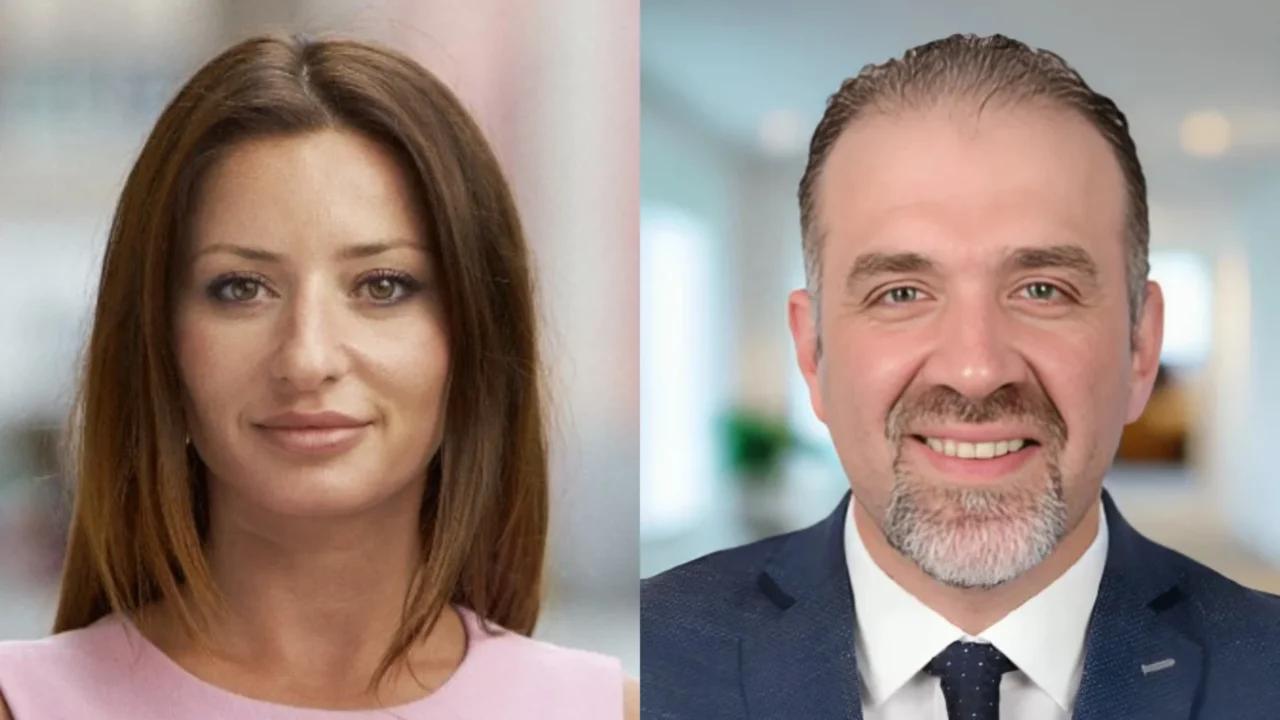
Gvantsa Khizanishvili, Global Programme and Partnerships Manager at City Cancer Challenge, recently highlighted the persistent challenges facing cancer care delivery in low- and middle-income countries. Her comments came while sharing insights from a conversation with Dr. Emad Shash, Director of the Breast Cancer Comprehensive Center at Egypt’s prestigious National Cancer Institute, Cairo University.
“Fixing the broken link between patients and cancer care remains one of the urgent challenges especially across low- and middle-income countries,” Khizanishvili noted in her LinkedIn post. The discussion emphasized how widespread misinformation continues to undermine early detection efforts, hinder treatment adherence, and ultimately compromise patient outcomes in regions where healthcare resources are already strained.
The collaboration between Khizanishvili and Dr. Shash represents part of a growing global movement to address disparities in cancer care access. City Cancer Challenge, an international organization working to improve cancer treatment in urban settings worldwide, has been instrumental in developing partnerships with healthcare institutions in emerging economies.
According to cancer care experts, the issue extends beyond simply providing information. “Education is not just about information, it’s about trust, understanding, and meaningful engagement,” Khizanishvili explained. This perspective highlights the complex interplay between cultural factors, trust in medical systems, and health outcomes.
Dr. Shash’s work at Cairo University’s National Cancer Institute provides a practical case study in addressing these challenges. Egypt, like many middle-income countries, faces significant barriers to comprehensive cancer care, including limited resources, fragmented healthcare delivery systems, and persistent myths surrounding cancer diagnosis and treatment.
The conversation between the two healthcare leaders emphasized that effectively combating misinformation requires culturally sensitive approaches tailored to specific communities. Generic health messaging often fails to resonate with patients who may have deeply ingrained beliefs about disease or mistrust of medical authorities.
Among the promising solutions discussed were audio-visual education tools designed for various literacy levels and patient navigation programs that guide individuals through complex healthcare systems. These practical interventions aim to empower patients with accurate information while providing emotional and logistical support throughout their cancer journey.
Data collection and rigorous documentation of outcomes emerged as another critical component of successful programs. “It comes down to documentation and numbers… because that’s how we show what works can work elsewhere,” Dr. Shash noted during the exchange. This evidence-based approach allows successful interventions to be replicated and scaled across different regions and healthcare settings.
The focus on demonstrable results reflects a shift in global health initiatives toward sustainable, measurable impact rather than short-term interventions. By documenting successful approaches to patient education and support, organizations like City Cancer Challenge aim to create blueprints that can be adapted for various cultural contexts.
The World Health Organization estimates that cancer is responsible for nearly 10 million deaths annually, with approximately 70% occurring in low- and middle-income countries. These regions often lack the infrastructure, trained personnel, and resources needed to deliver comprehensive cancer care, making education and early detection particularly vital.
As global cancer rates continue to rise, bridging the information gap becomes increasingly urgent. The collaboration between international organizations like City Cancer Challenge and local institutions such as Cairo University represents an important step toward developing solutions that are both effective and culturally appropriate.
The conversation between Khizanishvili and Dr. Shash underscores that improving cancer outcomes in developing regions requires addressing not only clinical and technological challenges but also the human elements of trust, understanding, and communication that form the foundation of effective healthcare delivery.
Fact Checker
Verify the accuracy of this article using The Disinformation Commission analysis and real-time sources.

11 Comments
Improving the link between patients and cancer care services is a worthy goal, and combating misinformation seems like a key part of that. I’m curious to see how this effort progresses and what lessons can be applied more broadly.
Addressing disparities in cancer care access is a complex challenge, but combating misinformation seems like a key part of the solution. I’m curious to learn more about the specific approaches being explored.
An important issue highlighted – combating misinformation is key to improving early cancer detection and treatment adherence, especially in resource-constrained regions. Addressing this challenge could significantly improve patient outcomes.
Agreed. Innovative approaches to combat misinformation and strengthen the link between patients and cancer care services are critical, particularly in developing nations with limited healthcare resources.
Combating misinformation is a complex challenge, but one that’s critical to improving cancer care access and adherence. I look forward to learning more about the innovative approaches being explored in this space.
Me too. Tackling misinformation requires a multifaceted approach, so it will be interesting to see what strategies are developed and implemented to support better cancer care outcomes, especially in underserved regions.
Interesting to see the focus on low- and middle-income countries, where healthcare resources are already strained. Addressing misinformation in these regions could have a significant positive impact on patient outcomes.
Interesting to see medical professionals calling for innovative ways to address misinformation and its impact on cancer care delivery. This is an important global challenge that requires collaborative solutions.
Absolutely. Misinformation can be a major obstacle to early detection and effective treatment, so finding ways to tackle this issue is crucial, especially in regions with strained healthcare systems.
The collaboration between Khizanishvili and Dr. Shash highlights the global nature of this issue. Misinformation can undermine cancer care efforts worldwide, so a coordinated response is needed.
Agreed. Sharing insights and best practices across regions will be crucial to developing effective strategies to combat misinformation and improve cancer care outcomes globally.