


Listen to the article
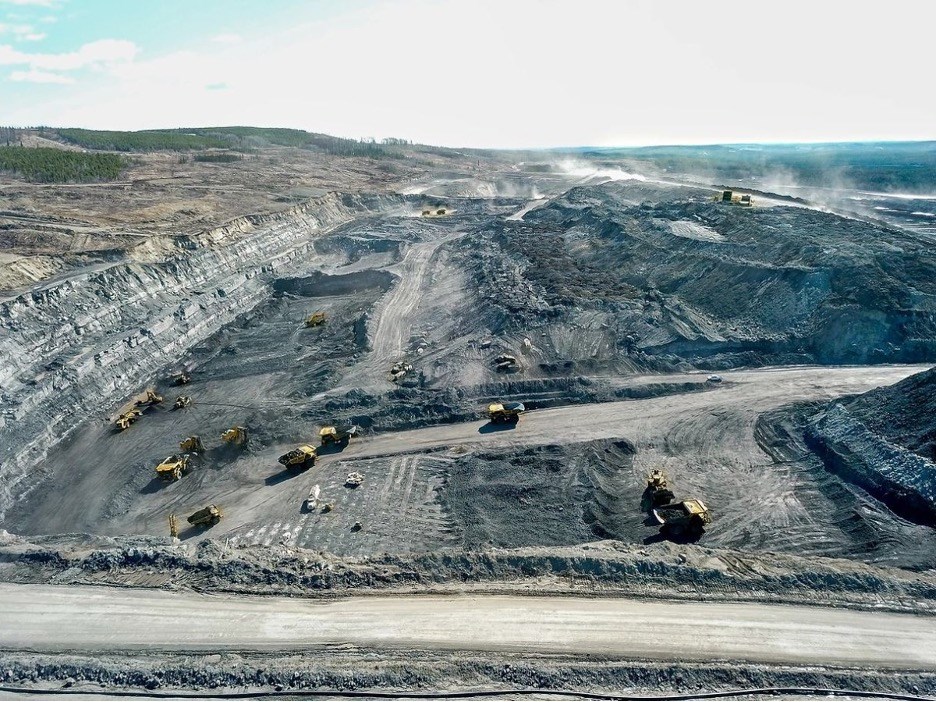
The Coal Association of Canada has voiced concerns about what it describes as misinformation surrounding the Water Not Coal petition, a citizen initiative that seeks to ban mining in Alberta’s Rocky Mountains.
Launched in late February by country singer Corb Lund, the petition has gained traction across the province, with businesses like The Heart of Bragg Creek offering customers opportunities to sign. Supporters argue that mining activities threaten water sources, damage landscapes, and release toxic chemicals harmful to wildlife and livestock.
Rina Blacklaws, Vice President of Industry Development with The Coal Association of Canada, emphasizes that Albertans should understand the critical importance of metallurgical coal, which is essential for steel production. “Coal is a $10 billion export here in Canada,” Blacklaws noted. “And it represents tens of thousands of jobs, either direct or indirect. And so I know certainly that men and women that work in the sector – their voices also want to be heard.”
The Association, which represents producers, developers, and supporting industries, aims to promote a safe, responsible, and economically sustainable coal industry in Canada. Coal serves primarily two purposes: steel-making and power generation. According to Blacklaws, Alberta produces some of the highest quality metallurgical coal globally, which is used in crucial infrastructure and everyday items from roads and homes to refrigerators and hospitals.
Addressing environmental concerns, Blacklaws asserts that mining operations have continued in Alberta for decades without significant long-term water issues. “It’s disappointing to see the misinformation overshadow the facts about responsible coal development in Alberta. Our industry operates under some of the world’s most stringent and rigorous environmental and regulatory standards,” she explained.
At the heart of the controversy is the Elk Valley watershed, which petition supporters claim supplies much of the region’s drinking water. Their primary concern centers on contamination, particularly with selenium, a naturally occurring mineral that can cause health problems in excessive amounts.
Blacklaws counters that these concerns stem from outdated mining practices. “When rock is broken apart and exposed to the elements, that’s when selenium potentially could leach into waterways if it’s not carefully managed,” she explained. “In Canada, we are regulated for selenium in coal mines through the federal coal mining effluent regulations under the Fishery Act.”
She points to the implementation of the Elk Valley Water Quality Plan in 2014, designed to reduce concentrations of mine-related contaminants. Additionally, the Alberta Energy Regulator requires detailed water management plans and continuous monitoring for all coal operations.
“It’s very concerning when you use words like poisoning. It’s simply not true,” Blacklaws stated. “When it comes to modern coal projects in Alberta, they are designed to protect water, land, wildlife, while advancing environmental research and reclamation and technological innovation.”
The Coal Association claims that polling indicates strong support for coal mining in areas like the Crowsnest Pass. They argue that the petition is prematurely halting potential projects before proper planning can occur. “When petitions or policy proposals create uncertainty about whether responsible development can proceed, even after years of scientific assessment, it sends a strong signal to those investors about stability,” Blacklaws noted.
The Water Not Coal petition specifically requests that “The Government of Alberta shall prohibit through legislation all coal exploration and mining activities within the Eastern Slopes of Alberta’s Rocky Mountains, other than mines that are in actual production as of January 1, 2026.” This prohibition would include Northback Holdings’ Grassy Mountain Project and Valory Resources’ Blackstone Project, as well as any expansion projects for existing mines.
For the petition to advance to a referendum, organizers must collect over 177,000 signatures by the June 10 deadline. The outcome could significantly impact Alberta’s coal industry and the future of mining in the region’s environmentally sensitive areas.
Fact Checker
Verify the accuracy of this article using The Disinformation Commission analysis and real-time sources.

14 Comments
While the industry highlights coal’s economic significance, the citizen petition also raises valid environmental concerns that merit serious examination. Seeking common ground is the path forward.
While the industry highlights coal’s importance, the citizen petition raises valid points about water protection and environmental impact that merit thorough examination. Compromise may be needed.
It’s good to see the industry association acknowledging the importance of water protection and environmental sustainability, alongside economic factors. An open, fact-based discussion is crucial.
Absolutely, finding the right balance is key. Constructive dialogue rather than entrenched positions will be important.
It’s good to see the industry acknowledging the need for responsible practices. However, the public’s environmental concerns also deserve serious consideration. Constructive dialogue is key.
The coal industry’s economic arguments are understandable, but the public’s environmental concerns also deserve serious consideration. Finding the right balance will require nuanced discussion.
Absolutely, this is a complex issue where all stakeholders need to be heard and respected.
It’s good to see the industry association acknowledging the need for responsible, sustainable practices. An open, fact-based dialogue is crucial to address the complex tradeoffs involved.
The industry’s perspective on the economic significance of coal is valid, but the public’s environmental worries shouldn’t be dismissed either. An open, fact-based dialogue is crucial.
Agreed, this is a complex issue that requires carefully weighing all the factors to reach a responsible, balanced outcome.
The coal industry’s concerns about alleged misinformation are understandable. Balanced dialogue is needed to address the complex tradeoffs between economic, environmental, and community impacts.
Agreed, this is a nuanced issue that deserves thoughtful consideration of all perspectives.
The coal industry’s perspective on the importance of metallurgical coal for steel production is valid. However, the public’s water and environmental worries shouldn’t be dismissed either.
Agreed, this requires carefully weighing all the factors to reach a responsible, balanced outcome.