


Listen to the article
Alberta’s Coal Industry Pushes Back Against “Water Not Coal” Petition
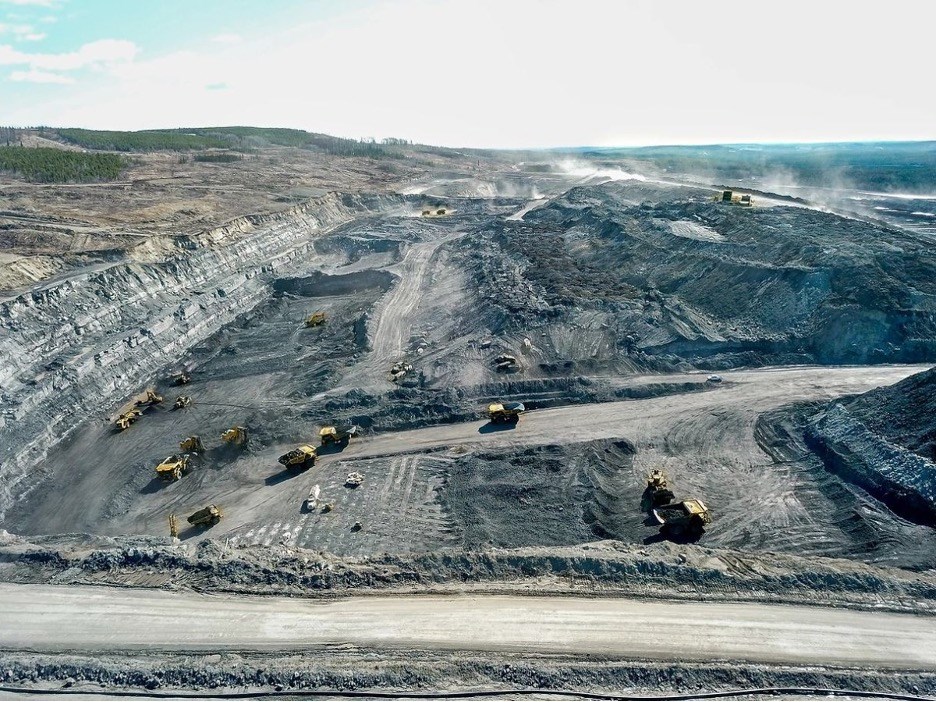
The Coal Association of Canada has voiced strong concerns regarding information being circulated through the “Water Not Coal” petition, which aims to ban mining operations in Alberta’s Rocky Mountains.
The petition, launched in late February and spearheaded by country singer Corb Lund, has gained traction across the province. Local businesses, including The Heart of Bragg Creek in Rocky View County, have been collecting signatures from customers, citing threats to water sources, landscape destruction, and potential chemical contamination harmful to wildlife and livestock.
Rina Blacklaws, Vice President of Industry Development with The Coal Association of Canada, emphasized the critical economic importance of metallurgical coal to both Alberta and the broader Canadian economy.
“Coal is a $10 billion export here in Canada,” Blacklaws stated. “And it represents tens of thousands of jobs, either direct or indirect. The men and women that work in the sector—their voices also want to be heard.”
The Association, which represents producers, developers, and supporting industries, maintains that metallurgical coal—used primarily for steel production—is essential to modern infrastructure and manufacturing. According to Blacklaws, Alberta produces some of the highest quality metallurgical coal globally, which is used in construction materials for roads, homes, and vital facilities like hospitals.
Particularly concerning to the Coal Association is what they characterize as misinformation surrounding environmental impacts, especially regarding water quality. Blacklaws defended the industry’s environmental record, noting that coal mining has operated for decades in Alberta without major long-term water issues.
“It’s disappointing to see misinformation overshadow the facts about responsible coal development in Alberta,” she explained. “Our industry operates under some of the world’s most stringent and rigorous environmental and regulatory standards.”
At the heart of the water quality debate is selenium contamination. This naturally occurring mineral, while essential in small amounts, can cause health problems at elevated levels, including hair loss, skin rashes, and nerve damage. Petition supporters have expressed particular concern about the Elk Valley watershed, which supplies drinking water to many communities.
Blacklaws countered that these concerns stem from outdated mining practices rather than current operations. “When rock is broken apart and exposed to the elements, that’s when selenium potentially could leach into waterways if it’s not carefully managed,” she explained, highlighting that modern operations are regulated under the federal coal mining effluent regulations of the Fishery Act.
She also pointed to the implementation of the Elk Valley Water Quality Plan in 2014, designed to reduce mine-related contaminants, and emphasized that the Alberta Energy Regulator demands detailed water management plans with continuous monitoring for all coal operations.
“It’s very concerning when you use words like poisoning. It’s simply not true,” Blacklaws asserted. “Modern coal projects in Alberta are designed to protect water, land, wildlife, while advancing environmental research and reclamation and technological innovation.”
According to the Coal Association, polling indicates strong support for coal mining in communities like Crowsnest Pass. They argue that the petition is prematurely blocking potential projects before they can be properly assessed.
“When petitions or policy proposals create uncertainty about whether responsible development can proceed, even after years of scientific assessment, it sends a strong signal to investors about stability,” Blacklaws noted, suggesting such actions could discourage economic investment in the region.
The Water Not Coal petition specifically seeks legislation prohibiting “all coal exploration and mining activities within the Eastern Slopes of Alberta’s Rocky Mountains, other than mines that are in actual production as of January 1, 2026.” This would include the Grassy Mountain Project by Northback Holdings and Valory Resources’ Blackstone Project.
For the petition to trigger a referendum, organizers must collect over 177,000 signatures by June 10th—a threshold that will determine whether this contentious issue moves forward to a provincial vote.
Fact Checker
Verify the accuracy of this article using The Disinformation Commission analysis and real-time sources.

10 Comments
The economic importance of the coal industry is clear, but the potential environmental impacts can’t be ignored either. A balanced, evidence-based assessment of the issues is needed to find the right path forward.
Maintaining a thriving coal industry while also protecting the environment is a delicate balance. I hope the industry and campaigners can work together to find a way to achieve both objectives.
The coal industry’s economic importance is clear, but the environmental risks can’t be ignored either. I hope both sides can engage in a frank, constructive dialogue to find the right path forward.
The coal industry’s economic importance is undeniable, but the environmental concerns raised also warrant serious consideration. I hope a constructive dialogue can lead to a sustainable compromise.
I’m curious to learn more about the specific claims made by both sides. Objective analysis of the data and impacts will be crucial in determining the best course of action here.
The coal industry’s concerns about the ‘Water Not Coal’ campaign are understandable. Balancing economic interests with environmental protection is a complex issue that requires open and honest dialogue.
This is a complex issue with valid concerns on both sides. I’m glad to see the industry acknowledging the need for open communication and a collaborative approach to find the best solution.
This is a challenging situation with valid concerns on both sides. I’m glad to see the industry acknowledging the need for open communication and a collaborative approach to address the issues.
It’s good to see the coal industry acknowledging the importance of the concerns raised by the ‘Water Not Coal’ campaign. Transparent communication and a collaborative approach will be key to resolving this dispute.
This is a contentious issue with valid arguments on both sides. I hope the industry and campaigners can find common ground and work towards a sustainable solution that addresses all stakeholders’ needs.