


Listen to the article
In an era of instant information, conspiracy theories still flourish despite real-time reporting on the White House shooting.
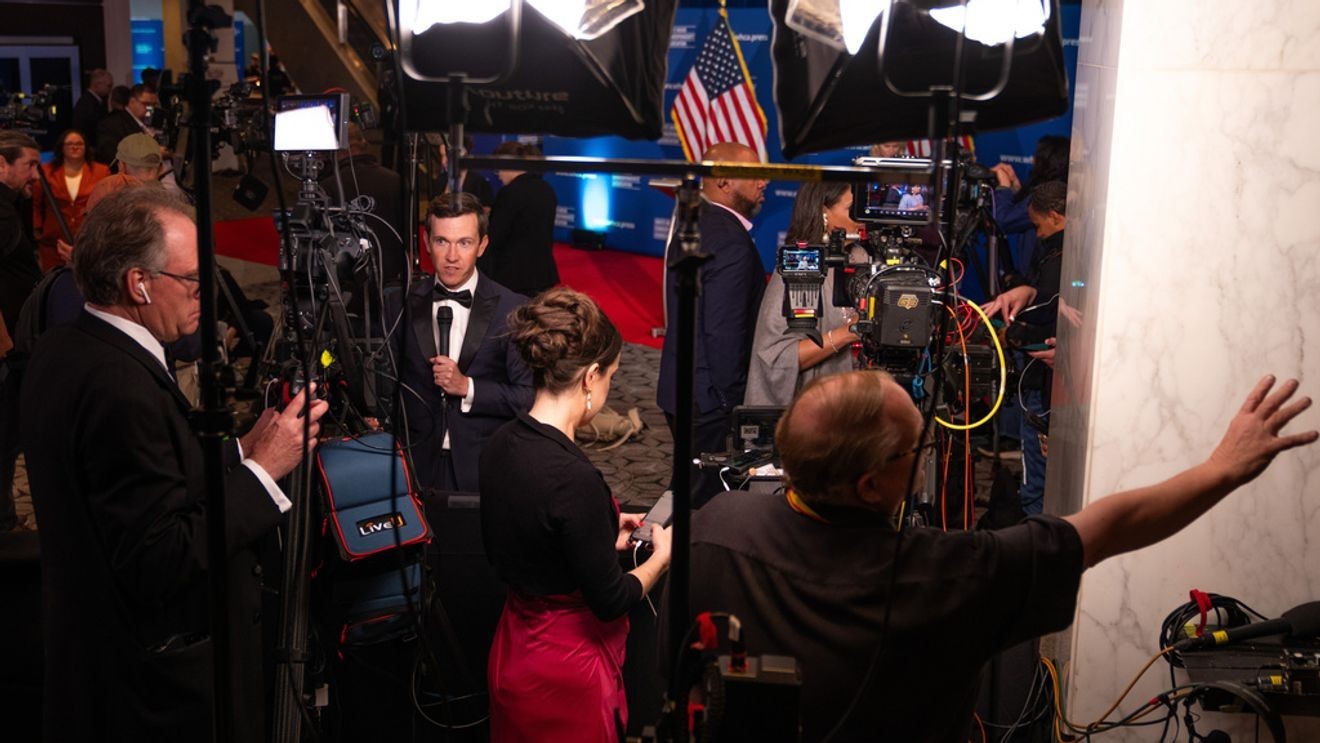
Despite hundreds of journalists providing minute-by-minute updates from the scene of Saturday night’s shooting at the White House Correspondents’ Dinner attended by President Donald Trump, conspiracy theories spread across social media platforms with remarkable speed, showcasing how even robust factual reporting struggles to counteract misinformation in today’s digital landscape.
The incident, which unfolded before some of America’s most prominent media figures, prompted immediate and comprehensive reporting from multiple credible news sources. Yet within minutes, unfounded theories claiming the shooting was staged began circulating widely online, demonstrating a phenomenon that experts say reflects deeper issues in information consumption.
“The thing about conspiracy theories that makes people enjoy them, even if they’re not politically extreme, is that you get to go looking for breadcrumbs,” explained Jen Golbeck, a University of Maryland professor who studies conspiracy theories. “It’s a way to feel smart and accepted when you come up with a nugget to contribute and people like it.”
Among the more prevalent unfounded claims was the notion that the shooting had been orchestrated as a distraction from other issues, such as tensions with Iran, or to generate support for Trump’s controversial $400 million White House ballroom project. Some conspiracy theorists seized upon Trump’s post-incident comments about the need for his proposed ballroom and his Justice Department’s attempts to pressure preservationists into dropping a lawsuit over the project.
More troubling were baseless claims suggesting Israeli government involvement, which experts note recycles harmful antisemitic tropes. Others took an innocent pre-dinner comment from press secretary Karoline Leavitt about “shots fired” in relation to Trump’s upcoming speech and reframed it as evidence of prior knowledge about the attack.
The rapid spread of these theories occurred despite journalists providing verified information in real time. This paradox highlights how today’s media environment can sometimes fuel rather than extinguish misinformation, especially when audiences are predisposed to distrust traditional information sources.
Emily Vraga, a University of Minnesota professor specializing in political misinformation, explained that the sheer volume of information can actually hinder understanding. “We just can’t process that much information,” she said. “And so when there is just this flood of information, and it’s contradictory and ever-changing as new information comes in, that can actually reinforce this tendency to go to a simplified, understandable narrative. And that narrative can include conspiracy theories.”
Many conspiracy theories attempted to draw parallels between Saturday’s incident and the July 2024 assassination attempt at Trump’s Butler, Pennsylvania rally. Social media posts highlighted perceived similarities, such as the delay before the president was evacuated and footage showing Vice President JD Vance being escorted out first, which some misinterpreted as evidence of foreknowledge.
Media analysts note that these conspiracy narratives flourished across political divides, with both left and right-leaning online communities promoting their own versions. Some theories were constructed in direct contradiction to established facts, while others more insidiously wove verifiable details into misleading narratives.
This pattern reflects what Golbeck describes as a “textbook recipe” for conspiracy theories: institutional distrust combined with difficulty distinguishing credible reporting from speculation. Even in cases where factual information is abundant, the entertainment value and sense of community that conspiracy theories provide can override rational assessment.
The phenomenon underscores a concerning reality for journalism in the digital age. Even with hundreds of credentialed journalists providing accurate, timely reporting, conspiracy theories can still gain traction and shape public perception of events. As Vraga pointedly summarized, “Meaning doesn’t have to be tied to reality.”
For media organizations, the challenge extends beyond simply reporting facts quickly and accurately. The deeper issue involves rebuilding institutional trust and helping audiences develop stronger critical thinking skills in an information ecosystem where entertainment value often trumps factual accuracy.
Fact Checker
Verify the accuracy of this article using The Disinformation Commission analysis and real-time sources.

7 Comments
Tragic that conspiracy theories took hold even with thorough real-time reporting. Misinformation can spread so quickly online, undermining trust in factual journalism.
Conspiracy theories thrive on the human desire to feel special and in-the-know. Robust reporting is important, but we also need to address the psychological factors behind misinformation.
It’s worrying how conspiracy theories can gain traction despite credible news coverage. We need better media literacy to help people distinguish truth from fiction.
Absolutely. Fact-checking and critical thinking are essential skills in this digital age.
This is a concerning trend that undermines public discourse. Journalists must remain vigilant in their reporting, while also working to improve digital literacy among the public.
It’s disheartening to see how quickly unfounded theories can spread, even with extensive real-time coverage. Stronger media literacy education could help counter this trend.
This highlights the challenges journalists face in an era of instant information and rampant misinformation. Maintaining public trust is crucial for the integrity of the news.