


Listen to the article
Suspected Hantavirus Outbreak on Cruise Ship Claims Three Lives, WHO Investigating
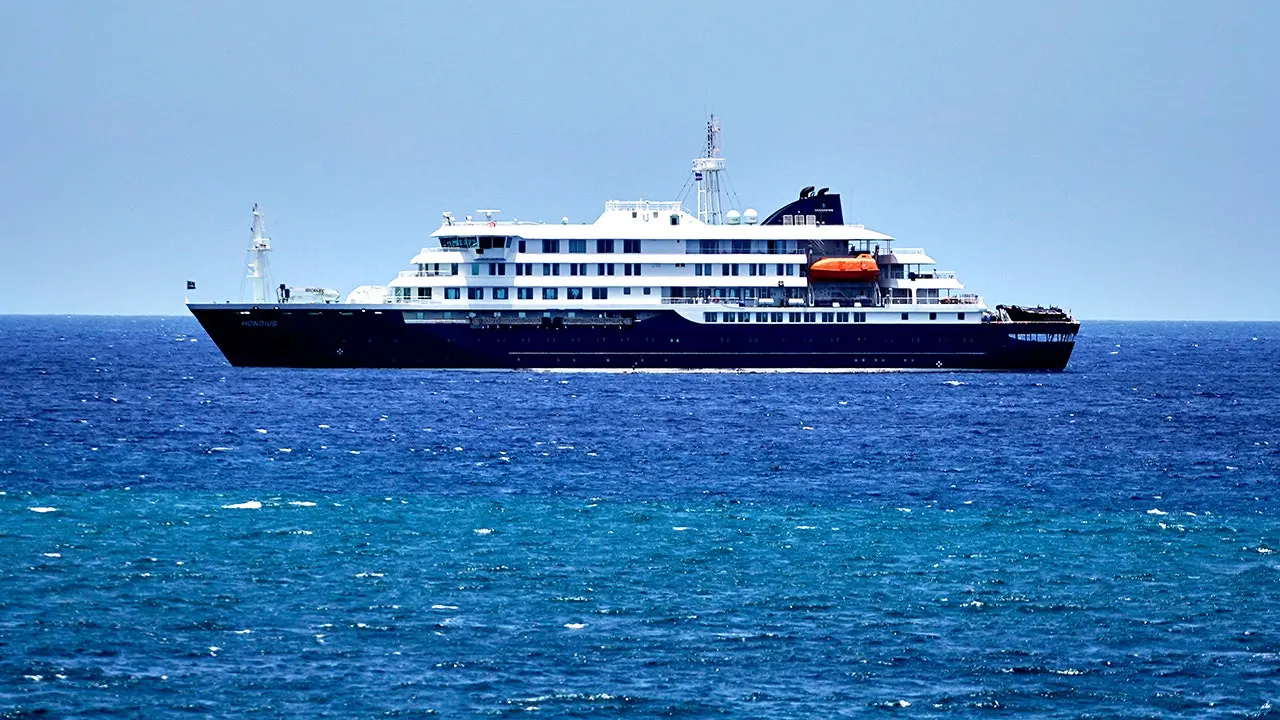
A rare potential case of human-to-human transmission of hantavirus aboard the Dutch vessel MV Hondius has left three passengers dead and at least four others ill, according to the World Health Organization (WHO). The ship remains anchored off the coast of Cape Verde as health authorities investigate the outbreak.
The WHO on Tuesday confirmed that two cases of hantavirus infection have been laboratory verified, while five additional suspected cases await confirmation. Of the seven affected individuals, three have died and one is currently receiving intensive care treatment in South Africa.
“We do believe that there may be some human-to-human transmission that’s happening among the really close contacts, the husband and wife, people who have shared cabins,” said Maria Van Kerkhove, the WHO’s director of epidemic and pandemic preparedness and prevention, during a press briefing in Geneva.
The possibility of human-to-human transmission is particularly significant as hantavirus typically spreads through contact with infected rodents rather than between people. Humans are primarily infected through exposure to urine, droppings, or saliva from infected rodents, making this potential cruise ship outbreak unusual.
According to WHO officials, there were reportedly no rats aboard the cruise vessel, leading investigators to theorize that the deceased Dutch couple may have been infected in Argentina before boarding the ship. The MV Hondius had been on an extended polar cruise from Argentina to Antarctica and several remote islands in the South Atlantic when the outbreak occurred.
“Some people on the ship were couples, they were sharing rooms so that’s quite intimate contact,” Van Kerkhove explained, suggesting this close proximity may have facilitated transmission between passengers.
The nearly 150 passengers and crew members aboard the vessel are currently under strict quarantine protocols. The WHO confirmed on Monday that passengers have been instructed to remain in their cabins to “limit their risk while disinfection and other measures are being taken.” Cape Verde officials have denied the ship permission to dock due to health concerns.
Hantavirus infections can lead to severe respiratory illness and, in some cases, prove fatal. While limited human-to-human transmission has been documented in previous outbreaks of the Andes variant of the virus, such cases are considered extremely rare, which makes this situation particularly concerning for health officials.
Despite the ongoing investigation, the WHO emphasized that the risk to the wider public remains low. The agency is coordinating with health authorities across multiple countries to manage the situation and determine the next steps for the vessel and its passengers.
“The plan for now is for the ship to continue on to the Canary Islands,” Van Kerkhove told reporters. “We’re working with Spanish authorities, who will welcome the ship.” This would allow passengers to disembark and for those requiring medical care to receive appropriate treatment.
The cruise industry, which has faced multiple public health challenges in recent years, including widespread COVID-19 outbreaks, will likely face renewed scrutiny regarding onboard health protocols following this incident.
Health authorities are continuing to investigate whether all the cases are connected and determining when those in need of medical attention will be permitted to leave the vessel. The WHO and other health agencies are working to establish the exact timeline of infections and confirm the specific strain of hantavirus involved in this outbreak.
For passengers and their families, the situation remains tense as they await further guidance from health officials and the cruise operator regarding evacuation plans and medical interventions for those showing symptoms.
Fact Checker
Verify the accuracy of this article using The Disinformation Commission analysis and real-time sources.

17 Comments
This is a very concerning situation. The potential for human-to-human transmission of hantavirus on a cruise ship is extremely worrying. Thorough testing, isolation, and swift action by health authorities will be essential.
Absolutely. The high fatality rate associated with hantavirus means there is no time to waste in getting this outbreak under control to protect passenger and crew safety.
Concerning news about the suspected hantavirus outbreak on the cruise ship. Hopefully the WHO can quickly determine the cause and contain the spread to prevent any more tragic deaths.
Yes, this type of rare human-to-human transmission of hantavirus is very worrying. Strict protocols and close monitoring of all passengers and crew will be critical.
This hantavirus outbreak on the cruise ship is a sobering reminder of the importance of robust public health protocols, especially in confined environments. I hope the WHO can get a handle on the situation quickly to prevent further loss of life.
Tragic to see the loss of life from this suspected hantavirus outbreak on the cruise ship. Understanding how the virus spread and implementing effective containment measures will be critical to prevent further casualties.
Yes, the WHO’s investigation into the potential for human-to-human transmission is crucial here. Rigorous epidemiological tracing and testing will be vital to get this under control.
The prospect of hantavirus spreading via person-to-person contact on a cruise ship is extremely worrying. Thorough testing, isolation procedures, and swift action by health authorities will be essential to curb this outbreak.
This hantavirus outbreak on the cruise ship is a sobering reminder of the importance of robust public health protocols, especially in confined environments like cruise ships. Hopefully the WHO can get a handle on the situation quickly.
Agreed. The high fatality rate associated with hantavirus makes this a very serious situation that requires an urgent and comprehensive response.
Tragic to see the loss of life from this suspected hantavirus outbreak on the cruise ship. Hopefully the WHO can quickly determine the source and transmission route to implement effective containment measures.
This is a very serious situation. The WHO will need to act swiftly to determine the exact cause and transmission route of this hantavirus outbreak on the cruise ship. Public health must come first.
Tragic to see the loss of life from this suspected hantavirus outbreak on the cruise ship. Understanding the transmission route and implementing effective containment measures will be critical to prevent further casualties.
A reminder of the risks that can arise from close quarters on cruise ships. Proper precautions and swift response from health authorities are essential to limit the damage from outbreaks like this.
Agreed. The reported high fatality rate makes this a very serious situation that requires a thorough investigation and comprehensive public health measures.
Hantavirus is such a dangerous disease, and the possibility of human-to-human transmission on a cruise ship is alarming. I hope the WHO can quickly identify the source and contain this outbreak.
Absolutely. The health and safety of the passengers and crew must be the top priority now. Efficient coordination between the ship’s medical staff and local health authorities will be crucial.