


Listen to the article
South Korean educational technology company Yanadoo has been hit with a 5 million won (approximately $3,700) fine after regulatory authorities determined the company made misleading claims in its scholarship program advertisements.
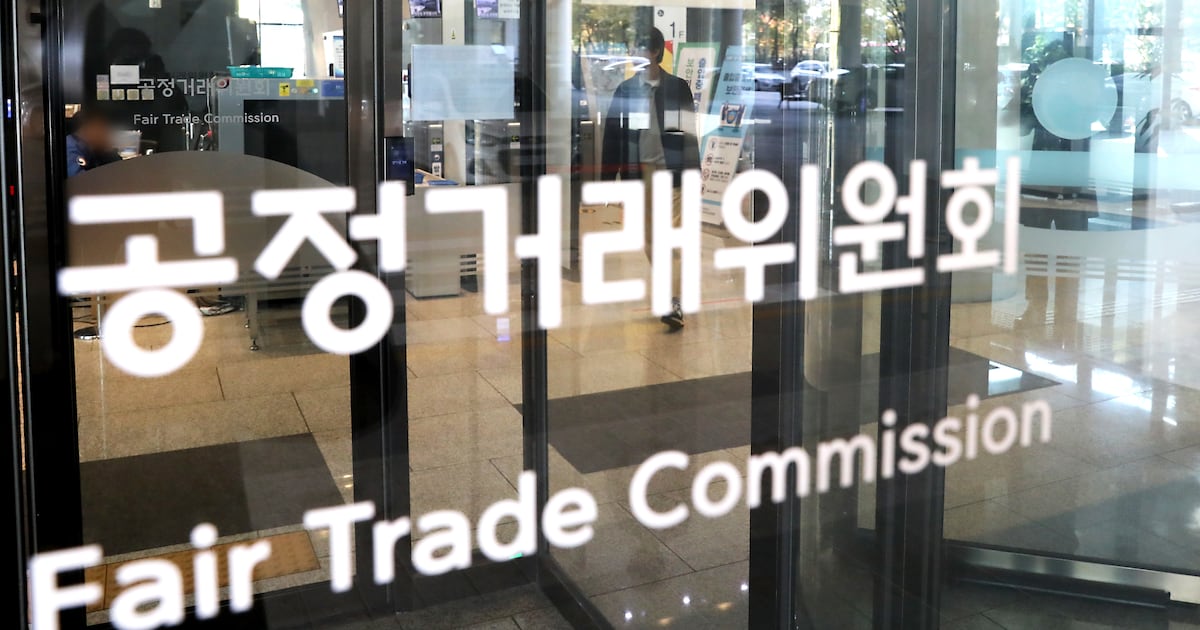
The Korea Fair Trade Commission (KFTC) imposed the penalty following an investigation into Yanadoo’s marketing practices, which found that the company had exaggerated the benefits and accessibility of its scholarship offerings to prospective students.
According to the regulatory body, Yanadoo’s advertisements suggested that participants could easily qualify for full tuition reimbursements upon completing certain educational programs. However, investigators discovered that the actual requirements were substantially more stringent than portrayed in marketing materials, with only a small percentage of enrollees ultimately receiving the advertised benefits.
“Companies must be transparent about the conditions and likelihood of receiving advertised financial incentives,” said a KFTC spokesperson. “When educational institutions promise scholarships or reimbursements, students deserve to know exactly what they’re signing up for.”
The ruling comes amid increased scrutiny of South Korea’s private education sector, which has grown dramatically in recent years. The country’s supplementary education industry, including online learning platforms like Yanadoo, is estimated to be worth over 20 trillion won annually, with fierce competition driving aggressive marketing tactics.
Yanadoo, founded in 2013, has positioned itself as an affordable alternative to traditional cram schools by offering online English and career development courses. The company has experienced rapid growth, particularly during the COVID-19 pandemic when remote learning solutions saw surging demand.
Industry analysts note that scholarship promises have become a common marketing strategy across the edtech sector, with companies using financial incentives to attract cost-conscious students in a crowded marketplace.
“Educational platforms are increasingly using reward-based systems to differentiate themselves,” explained Kim Min-ji, an education market analyst at Seoul Economic Research Institute. “These incentive structures work well for highly motivated learners, but companies must be careful not to oversell their accessibility.”
The KFTC’s decision reflects a broader regulatory trend of holding educational technology companies to higher standards of transparency. In the past two years, authorities have investigated several other online learning platforms for similar marketing violations, resulting in fines and mandated corrections to advertising materials.
Consumer advocates have welcomed the ruling but suggest the relatively modest fine may have limited deterrent effect. “While we appreciate the KFTC taking action, the financial penalty represents just a fraction of what companies earn through these marketing tactics,” said Park Joon-ho of the Consumer Education Protection Alliance.
For students who enrolled based on the misleading advertisements, the ruling provides little immediate relief. The KFTC did not order retroactive compensation for affected customers, though some legal experts suggest the decision could support potential civil claims.
Yanadoo has issued a statement acknowledging the ruling and pledging to revise its marketing materials. “We remain committed to providing affordable educational opportunities and will ensure all future communications clearly outline scholarship eligibility requirements,” the company statement read.
The case highlights the evolving regulatory challenges in South Korea’s digital education landscape, where traditional educational values intersect with modern marketing practices. The Ministry of Education has signaled it may introduce additional guidelines for educational advertising later this year.
Industry observers expect the ruling will prompt other education technology companies to review their marketing practices, particularly as competition for students intensifies in a post-pandemic environment where online learning has become normalized but growth has slowed.
For consumers navigating South Korea’s complex educational marketplace, experts recommend carefully reviewing the fine print of any scholarship or reimbursement programs before enrollment, regardless of how attractive the initial offer may appear.
Fact Checker
Verify the accuracy of this article using The Disinformation Commission analysis and real-time sources.

12 Comments
A $3,700 fine seems like a slap on the wrist for misleading vulnerable students about educational benefits. I hope regulators consider harsher penalties to deter this behavior.
This is a disappointing case of false advertising in the educational tech space. Companies need to be fully transparent about scholarship requirements and eligibility to avoid misleading students.
You’re right, exaggerating benefits and accessibility is unethical. Regulators should continue cracking down on deceptive marketing practices in the education industry.
It’s disappointing to see a company like Yanadoo take advantage of students through false scholarship claims. Stronger penalties could help deter this kind of behavior.
This case underscores the need for tighter oversight of educational technology providers. Regulators should continue cracking down on misleading advertising to protect consumers.
It’s concerning to see a company fined for misrepresenting its scholarship program. Regulators need to ensure educational providers are honest about financial aid opportunities.
Agreed. Misleading claims about scholarships can leave students with unrealistic expectations and financial burdens. Strict enforcement is crucial to protect consumers.
Transparency and honesty should be paramount when it comes to educational opportunities and financial aid. This fine highlights the importance of regulatory enforcement.
It’s good to see regulators taking action against Yanadoo’s deceptive scholarship claims. Transparency is critical when it comes to educational opportunities and financial aid.
Exaggerating scholarship benefits to attract students is a concerning practice. I hope this fine sends a clear message that misleading advertising will not be tolerated.
This highlights the importance of closely scrutinizing marketing claims, especially in the education sector. Regulators must hold companies accountable for false or deceptive advertising.
While the fine may seem low, any regulatory action against deceptive marketing in education is a positive step. Companies must be held accountable for their claims.