


Listen to the article
In a significant legal challenge to food labeling practices, PETA has filed a lawsuit against Global Animal Partnership (GAP) in the Superior Court of the District of Columbia. The animal rights organization is contesting the “animal welfare certified” labels on meat products sold at Whole Foods, claiming these products actually come from factory farms where documented animal cruelty has occurred.
The lawsuit alleges that despite GAP’s claims of enforcing animal welfare standards through independent auditors, there are numerous undisclosed connections between GAP, Whole Foods, and the auditing companies. According to PETA, the CEO of the company that manages GAP is also the owner of the company responsible for conducting GAP’s animal welfare audits, creating a potential conflict of interest.
PETA’s legal action highlights several disturbing instances where undercover investigations – not GAP’s auditing process – revealed animal mistreatment at facilities that were GAP-certified at the time. At Farmer Focus, a currently GAP-certified operation, whistleblowers reported chickens suffering from bruised, broken, and dislocated wings after being forcefully placed into transport cages.
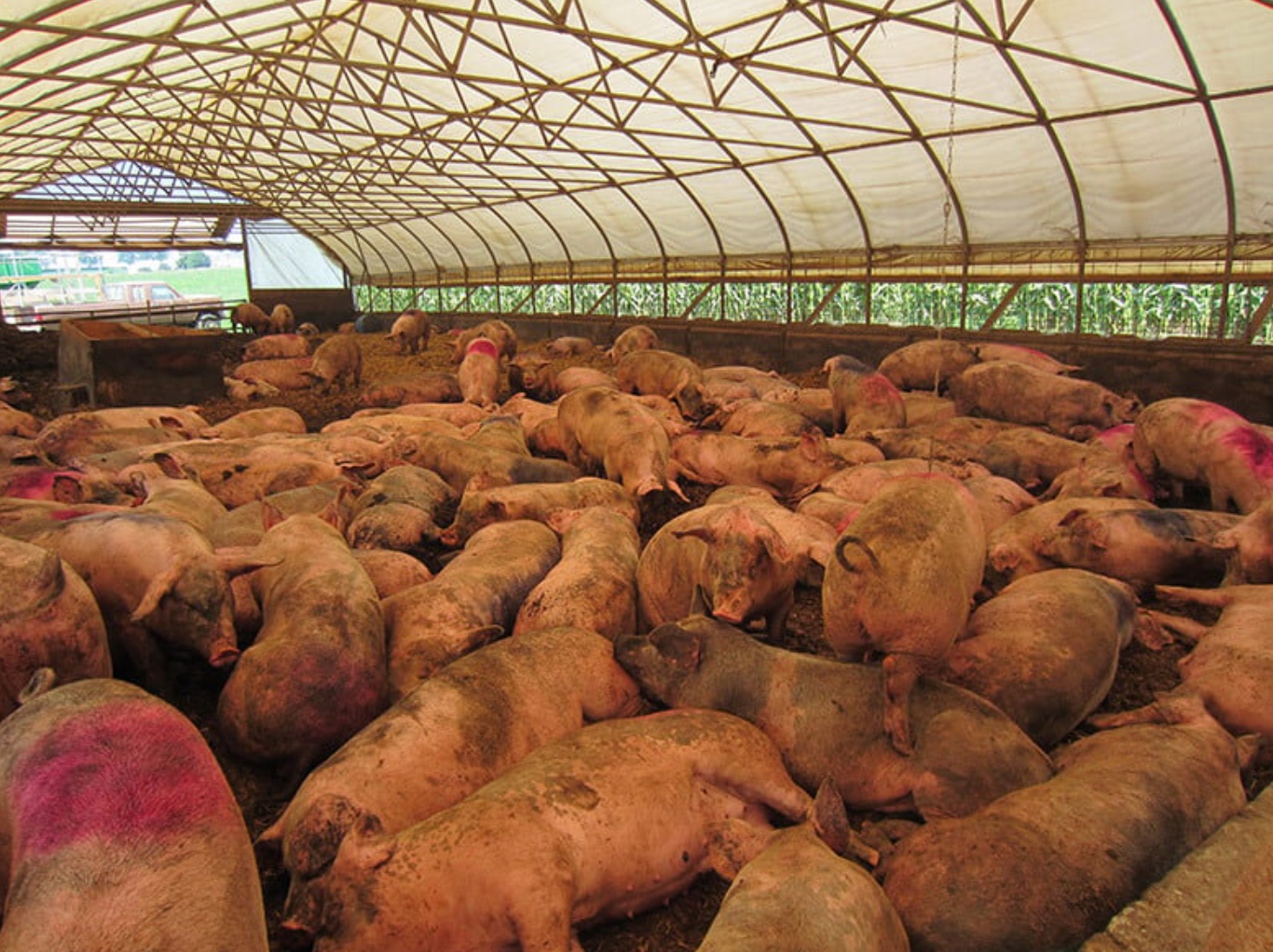
The organization also cites Plainville Farms, where workers were documented kicking, beating, and throwing turkeys, while leaving sick and injured birds without proper veterinary care. Similarly, at Sweet Stem Farm, PETA claims pigs were kept in overcrowded sheds with concrete floors and suffered from untreated painful rectal prolapses.
“Whole Foods profits from this scheme by misleading kind shoppers by enticing them to buy factory-farmed meat,” said PETA President Tracy Reiman in a statement about the case.
The timing of the lawsuit is notable, coming just days after three major animal welfare organizations – the ASPCA, Humane World for Animals (formerly the Humane Society of the United States), and Compassion in World Farming – withdrew from GAP’s board of directors. These organizations had maintained board positions for over a decade before their departure.
This mass exodus followed intense pressure campaigns by PETA, which included provocative demonstrations such as manure dumps outside the organizations’ headquarters. PETA also organized public appeals to members of these groups and secured the participation of actor James Cromwell, who publicly discarded his lifetime achievement award from Humane World for Animals in protest.
The case highlights growing consumer concerns about food labeling transparency, particularly regarding animal welfare claims. With an increasing number of consumers willing to pay premium prices for products they believe meet higher ethical standards, the accuracy of certification programs has come under intensified scrutiny.
The food retail industry has seen a significant rise in welfare-related labeling as companies respond to changing consumer preferences. Market research indicates that animal welfare concerns influence purchasing decisions for a growing segment of shoppers, making such certifications valuable marketing tools for retailers like Whole Foods.
The lawsuit also comes amid broader debates about the effectiveness of voluntary animal welfare certification programs versus government regulation. Critics argue that self-regulated industry standards may prioritize marketability over substantial welfare improvements.
Whole Foods, a subsidiary of Amazon since 2017, has long positioned itself as a leader in ethical food retailing, with its animal welfare standards being a cornerstone of its brand identity. This legal challenge could potentially impact consumer trust in the premium grocery chain’s marketing claims.
PETA, which advocates for veganism as the only truly humane dietary choice, concludes its statement by noting that “the only guaranteed humane food is vegan.”
The case is expected to bring increased attention to the verification processes behind animal welfare certifications and may lead to calls for greater transparency throughout the food supply chain.
Fact Checker
Verify the accuracy of this article using The Disinformation Commission analysis and real-time sources.

10 Comments
Interesting case – it will be important to see the evidence PETA has to support their allegations of misleading labeling and conflicts of interest. Transparency around animal welfare claims is crucial for consumer trust.
I agree, the details of the audit process and connections between the companies will be key. Consumers deserve accurate information about the conditions their meat is produced in.
This highlights the complex and often opaque nature of food supply chains. If the PETA lawsuit uncovers issues, it could have major implications for how “animal welfare certified” labels are verified and communicated.
Absolutely, greater scrutiny and independent oversight of these certification schemes seems necessary to ensure they are living up to their claims. Consumers need to be able to trust the labels they see.
This lawsuit could have far-reaching implications for the food industry’s use of animal welfare claims. It will be interesting to see if it leads to changes in how these certification programs are structured and enforced.
Absolutely, this is an important test case for the integrity of “ethical” labeling claims. The outcome could set a new standard for transparency and accountability in this space.
The alleged conflicts of interest between the auditing companies and GAP are particularly concerning. Robust third-party oversight seems essential to ensure these welfare claims are credible and not just greenwashing.
Good point. If the lawsuit uncovers systemic issues, it could prompt reforms to how these certification schemes are structured and audited in the future.
It’s concerning to hear about the undercover reports of animal mistreatment at GAP-certified facilities. Robust auditing and transparency should be a priority for any credible animal welfare program.
Agreed, the disconnect between the audit findings and the on-the-ground conditions raises serious questions. Whole Foods and GAP will need to address these issues head-on.