


Listen to the article
A senior British police chief is facing intense scrutiny after intelligence used to justify a controversial ban on Israeli soccer fans has been revealed to contain significant inaccuracies. The case has raised serious concerns about police procedures and potential bias in security assessments related to Jewish and Israeli visitors.
During a parliamentary hearing investigating the incident, it emerged that the West Midlands Police relied on dramatically incorrect information when they made the decision to block Maccabi Tel Aviv supporters from attending a match against Aston Villa in Birmingham last month.
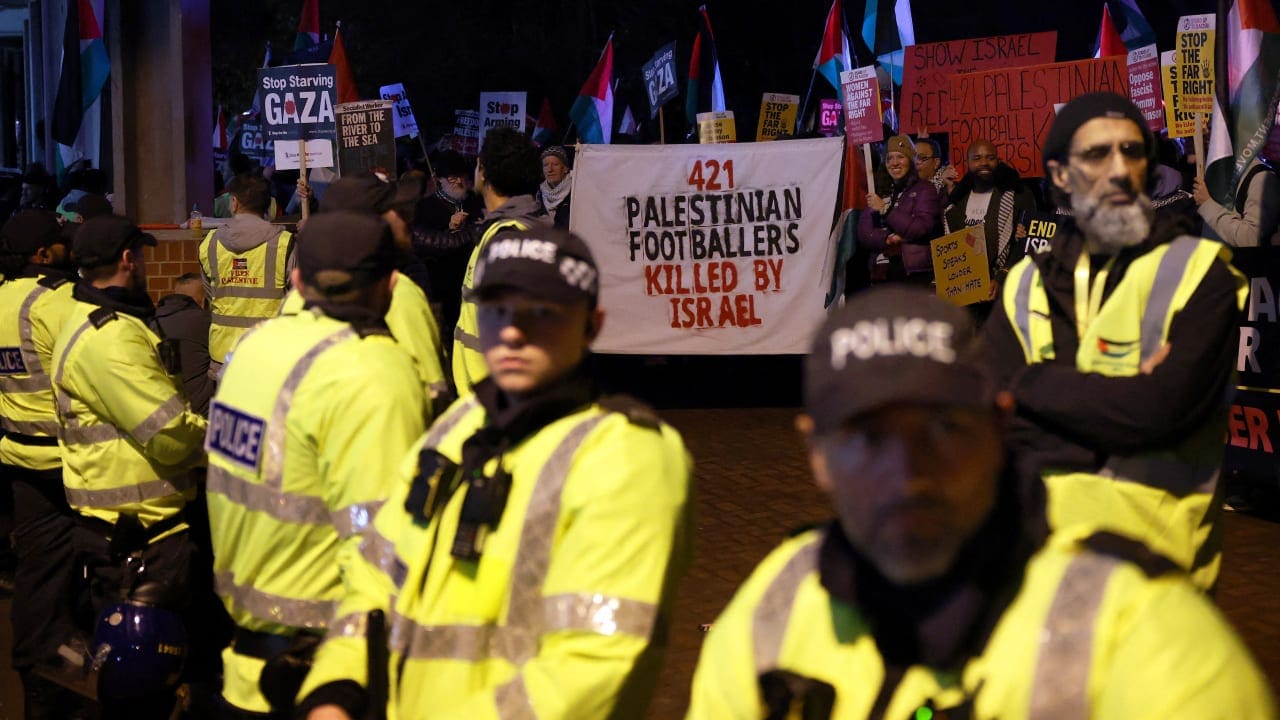
The controversy centers around a November match in the UEFA Conference League, where Israeli fans were prohibited from entering the stadium following what police described as “credible security threats.” However, subsequent investigations have revealed these threat assessments contained multiple factual errors and questionable assumptions.
“What we’re seeing is a deeply troubling pattern where intelligence was either misinterpreted or, worse, fabricated to justify a predetermined decision,” said Mark Cohen, a spokesperson for the Board of Deputies of British Jews, who testified at the hearing. “The implications for Jewish communities across the UK are profound.”
The parliamentary inquiry heard that police reports used to justify the ban included claims about previous Maccabi Tel Aviv fan behavior that have since been disproven. One example cited was an alleged incident of violence at a previous European fixture that independent investigators found never occurred.
Home Affairs Committee chair Sarah Mitchell expressed alarm at the discrepancies, stating: “When security decisions are based on intelligence that turns out to be fundamentally flawed, we must question the processes and potential biases that led to these assessments.”
The incident occurred against a backdrop of heightened tensions and increased antisemitism across Europe. Since October 2024, the Community Security Trust, which monitors antisemitic incidents in Britain, has reported a 150 percent increase in attacks and threats against Jewish institutions and individuals.
Legal representatives for Maccabi Tel Aviv have argued the ban constituted discrimination and have filed formal complaints with both UK and UEFA authorities. The club’s lawyer, Daniel Greenberg, told the committee: “What’s most concerning is how readily authorities accepted negative characterizations of Israeli supporters without proper verification.”
The West Midlands Police chief has defended the decision, citing the need to prioritize public safety, but acknowledged that the intelligence gathering process “fell short of the standards we expect” and has promised a thorough internal review.
The controversy has wider implications for sporting events involving Israeli teams across Europe. UEFA officials have expressed concern about the precedent set by allowing local police forces to issue blanket bans based on nationality rather than specific security assessments of individuals.
“The fundamental right of fans to support their team must be balanced with genuine security concerns,” said UEFA spokesman Thomas Weber. “But these decisions must be based on accurate intelligence and applied proportionately.”
The parliamentary committee is expected to issue recommendations next month on improving intelligence gathering and assessment procedures for international sporting events, with specific guidance on avoiding discriminatory practices.
Jewish community leaders have welcomed the investigation but remain concerned about the underlying issues it has exposed. “This case highlights how easily stereotypes and prejudices can influence what should be objective security assessments,” said Rachel Goldman of the European Jewish Congress. “The damage to trust between Jewish communities and authorities takes time to rebuild.”
As the inquiry continues, the incident has sparked a broader conversation about the treatment of Israeli nationals in the UK and the balance between security concerns and equal treatment under the law.
Fact Checker
Verify the accuracy of this article using The Disinformation Commission analysis and real-time sources.

18 Comments
This case highlights the need for the police to prioritize objectivity, accuracy, and non-discrimination in their security assessments and decision-making processes. Failing to do so can have serious consequences for the rights and freedoms of affected individuals and communities.
Absolutely. The authorities must be held accountable for any security decisions that appear to be influenced by bias or lack of due diligence. Restoring public confidence in the system should be a top priority.
The alleged issues with the intelligence used to justify the ban on Israeli soccer fans are deeply troubling. Transparent, impartial, and evidence-based security procedures are essential to uphold the principles of equality and non-discrimination.
Well said. Any security-related decisions that have the potential to discriminate against specific groups must be thoroughly investigated and addressed to ensure fair treatment for all.
The revelations about the inaccuracies and questionable assumptions in the intelligence used to justify the ban on Israeli soccer fans are very concerning. Rigorous verification processes and independent oversight are crucial to ensure fair and unbiased security decisions.
Well said. Any security-related policies or actions that have the potential to discriminate against specific groups must be based on comprehensive, fact-based assessments to prevent injustice and maintain public trust.
This case highlights the importance of robust intelligence gathering and verification, especially when it involves sensitive issues like security threats against specific groups. Rushing to conclusions without thorough investigation can undermine justice and civil liberties.
Well said. Comprehensive, objective assessments should be the foundation for any security-related policies or actions that impact the public.
It’s concerning to hear about the potential issues with the intelligence used to justify the ban on Israeli soccer fans. Transparent and impartial security procedures are crucial to uphold the principles of equality and non-discrimination.
I agree. The authorities must ensure their decision-making processes are free from bias and based on reliable, verified information to maintain public trust and fairness.
The alleged errors and questionable assumptions in the threat assessments are troubling. Proper procedures and oversight are essential to prevent such incidents and maintain public trust in law enforcement.
Absolutely. The police must ensure their security decisions are based on factual, unbiased information to avoid the appearance of prejudice or discrimination.
This is very concerning if the police relied on faulty intelligence to ban Israeli soccer fans. Transparent and unbiased security assessments are crucial to ensure fair treatment of all visitors, regardless of their nationality or ethnicity.
Agreed. Any discriminatory actions based on unreliable or biased information need to be thoroughly investigated and addressed.
This incident raises serious questions about the police’s handling of security assessments and their potential impact on minority groups. Thorough investigations and reforms to prevent such issues in the future are essential.
Absolutely. The authorities must prioritize impartiality, transparency, and accountability to uphold the rule of law and protect the rights of all citizens and visitors.
This incident highlights the importance of robust intelligence gathering and verification processes, especially when it comes to sensitive security assessments. Relying on inaccurate or biased information can lead to discriminatory actions that undermine justice and civil liberties.
Absolutely. The authorities must prioritize objectivity, transparency, and accountability in their decision-making to maintain public trust and uphold the rule of law.