


Listen to the article
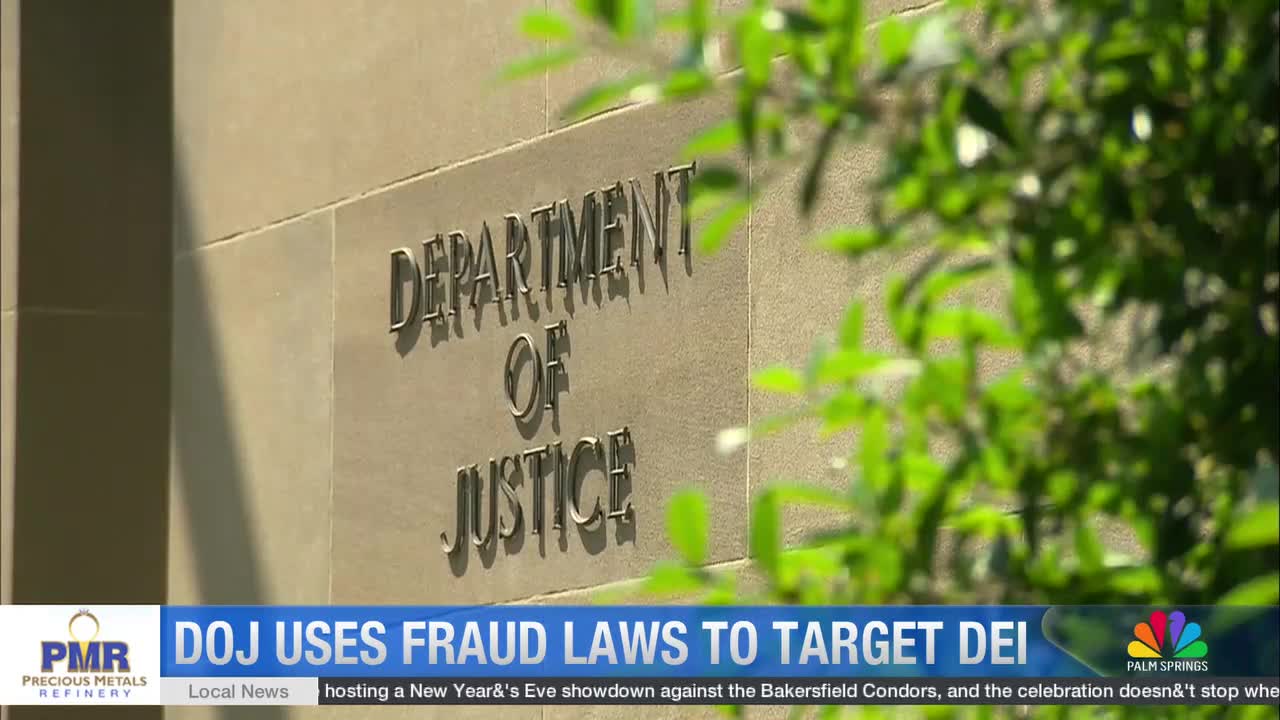
A federal probe into corporate diversity practices has emerged as the Department of Justice under the Trump administration examines whether company initiatives aimed at increasing workplace diversity might violate federal fraud statutes.
Justice Department officials have begun sending inquiries to major corporations about their diversity and inclusion programs, according to sources familiar with the matter. The investigation centers on whether these programs might contradict companies’ fiduciary responsibilities to shareholders by prioritizing social objectives over financial performance.
The inquiry appears to focus on potential violations of the False Claims Act, which prohibits companies from making false statements to the government. Investigators are examining whether corporations have misrepresented their diversity practices in federal contracts or regulatory filings, effectively using federal dollars while potentially engaging in discriminatory hiring practices.
“Companies need to be transparent about how they’re allocating resources,” said one Justice Department official who requested anonymity because they were not authorized to speak publicly about ongoing investigations. “If a company tells shareholders one thing while implementing policies that might affect financial outcomes, that raises serious legal questions.”
The probe comes amid a contentious national conversation about diversity in the workplace. Many major U.S. corporations have expanded diversity initiatives in recent years, particularly following the racial justice protests of 2020. Companies including Microsoft, Wells Fargo, and Coca-Cola have announced ambitious targets for increasing representation of underrepresented groups in their workforce and leadership positions.
Corporate advocates argue these programs are not only morally justified but economically sound. A 2020 McKinsey study found that companies with diverse executive teams were 25 percent more likely to achieve above-average profitability compared to their less diverse peers.
“The evidence is overwhelming that well-designed diversity programs improve decision-making, reduce turnover, and ultimately enhance shareholder value,” said Maria Rodriguez, an employment attorney with Gibson & Associates. “These aren’t charity programs; they’re strategic business investments.”
Critics, however, contend that some corporate diversity initiatives may constitute reverse discrimination or tokenism. Several conservative legal groups have challenged diversity programs in recent years, arguing they violate federal anti-discrimination laws and potentially harm shareholders by prioritizing demographic considerations over merit.
The Justice Department’s involvement signals an escalation in scrutiny of diversity practices. Previous challenges to corporate diversity have primarily come through private litigation, not federal enforcement actions.
Business leaders have expressed concern about the chilling effect the investigation might have on corporate diversity efforts. The Business Roundtable, a group comprising CEOs of major U.S. companies, issued a statement defending corporate diversity initiatives as “essential to creating workplaces that reflect America and serve diverse consumer bases effectively.”
The investigation is occurring against the backdrop of a broader conservative pushback against environmental, social, and governance (ESG) initiatives in corporate America. Several Republican-led states have passed legislation restricting state investments in companies that consider ESG factors in their business decisions.
Legal experts say the inquiry raises complex questions about the intersection of securities law, anti-discrimination statutes, and corporate governance. “Companies have wide latitude to determine what serves their business interests,” said Jonathan Fisher, a corporate law professor at Stanford University. “But they cannot misrepresent material information to shareholders or the government. The question is whether diversity goals constitute such misrepresentation.”
The investigation is still in its early stages, and it remains unclear whether it will result in enforcement actions. Companies that have received inquiries have been asked to provide documentation about their diversity programs, hiring practices, and communications with shareholders regarding these initiatives.
Corporate legal departments across the country are now reviewing their diversity policies to ensure compliance with federal law while maintaining their commitment to creating more inclusive workplaces.
The outcome of this investigation could significantly impact how American corporations approach diversity and inclusion initiatives in the coming years, potentially forcing companies to reconsider the legal structure and implementation of their diversity efforts while balancing shareholder interests and social responsibility.
Fact Checker
Verify the accuracy of this article using The Disinformation Commission analysis and real-time sources.

9 Comments
This seems like a politically-charged issue, with the Trump administration potentially using federal laws to scrutinize corporate diversity efforts. I wonder if there are valid legal concerns being raised, or if this is more about a broader ideological agenda.
I share your skepticism about the political motivations behind this investigation. It’s important to carefully examine the legal merits, rather than let ideology cloud the analysis. The implications could be significant for how companies approach diversity programs going forward.
The DOJ’s focus on potential False Claims Act violations related to corporate diversity programs is an unusual approach. I’m curious to learn more about the specific allegations and evidence they are examining. Transparency around how companies allocate resources is certainly important.
From a shareholder perspective, I can understand the DOJ’s interest in ensuring companies are being transparent about how diversity initiatives impact financial performance. But diversity also has important social benefits that shouldn’t be ignored. It’s a delicate balance.
Interesting to see the Trump administration scrutinizing corporate diversity programs under the False Claims Act. It raises questions about balancing social objectives and shareholder responsibilities. Curious to see how this investigation plays out and the implications for how companies approach diversity and inclusion.
This investigation seems to be probing whether companies have misrepresented their diversity practices in federal contracts or filings. It’s a complex issue, as diversity initiatives can have social benefits but may also impact financial performance. I wonder how the DOJ will weigh these factors.
As someone who follows the mining and commodities sector, I’m interested to see if this investigation has any implications for diversity practices in those industries. Historically they have struggled with representation, so this could be an important issue to watch.
That’s a good point. The mining and commodities space is certainly an area where diversity challenges have been prevalent. It will be worth monitoring if this DOJ scrutiny extends to those industries and what potential impacts it could have.
This seems like a complex issue without easy answers. On one hand, companies have a duty to shareholders. On the other, diversity programs can create important social value. I’m curious to see how the DOJ investigation unfolds and what precedents or guidelines emerge from it.