


Listen to the article
Uganda’s traditional healers have been strongly cautioned against making false claims about curing HIV/AIDS, as sector leaders push for more responsible practices aligned with modern healthcare approaches.
Mutongole Nansamba, president of traditional healers in Uganda, delivered a stern warning to practitioners who mislead patients, emphasizing that such deception not only endangers lives but also undermines national efforts to combat the epidemic.
“Traditional healers should stop misleading people that they can cure HIV. Instead, they must encourage everyone to first go for testing before starting any form of treatment,” Nansamba stated firmly. She highlighted early testing as a cornerstone of effective HIV management, pointing out that individuals aware of their status can access appropriate medical care and prevent unwitting transmission.
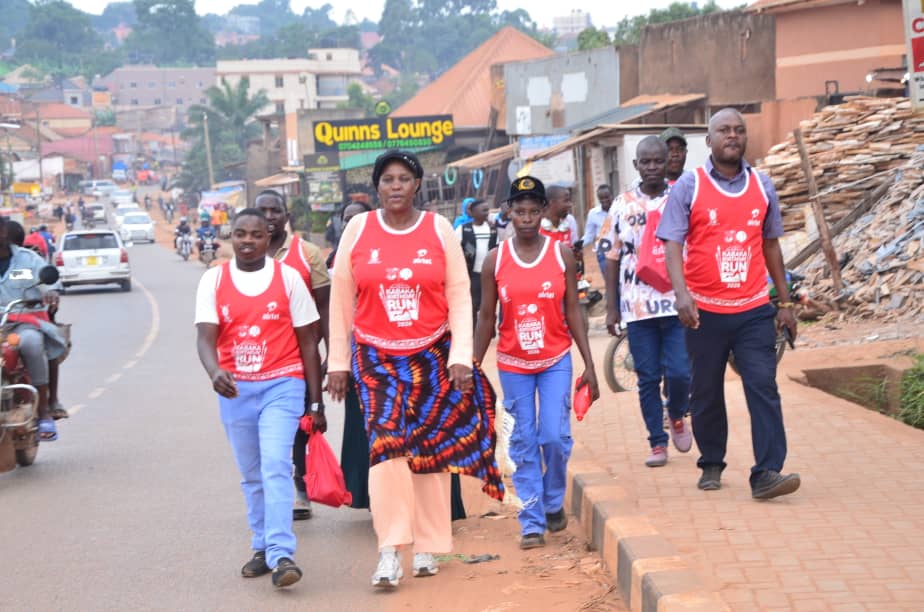
The remarks came as Nansamba led fellow traditional healers during the Kabaka’s Birthday Run in Nansana and surrounding areas. This annual event attracts thousands of participants and serves as a significant platform for public health awareness campaigns in Uganda.
“As traditional healers, we have a big role to play in our communities. We must support government efforts by guiding people correctly and promoting methods that prevent the spread of HIV,” she added, calling for closer collaboration between traditional practitioners and health professionals to ensure patients receive accurate information and appropriate care.
This call for cooperation is particularly significant in Uganda’s healthcare landscape, where traditional medicine often serves as the first point of contact for many citizens, especially in rural areas where access to formal healthcare facilities may be limited. According to recent health statistics, approximately 65% of Ugandans consult traditional healers before or alongside seeking conventional medical treatment.
The HIV/AIDS epidemic continues to present challenges in Uganda despite significant progress in recent decades. The country has reduced its HIV prevalence from the peak rates of around 18% in the early 1990s to approximately 5.4% today. However, misinformation and stigma remain persistent obstacles to further reduction.
Nalongo Kadaga, a traditional healer from Busoga region, praised the Kabaka’s Birthday Run organizers for uniting communities in support of HIV/AIDS awareness. “The Kabaka’s birthday run is a good platform to educate our people and remind them about the importance of protecting their health,” she said.
Beyond health education, Kadaga encouraged fellow traditional healers to improve their economic standing by participating in government wealth-creation initiatives such as the Parish Development Model (PDM) and Emyooga. These programs aim to boost household incomes through various financial support mechanisms targeting different community groups.
“Programs like PDM and Emyooga are meant to uplift communities. Traditional healers should take part in them instead of depending only on money from patients,” Kadaga noted, suggesting that financial independence could potentially reduce incentives for making exaggerated treatment claims.
Health experts have consistently identified misinformation about HIV/AIDS as a significant challenge in Uganda’s public health efforts. The integration of traditional healers into formal awareness campaigns represents an important strategic shift, recognizing their substantial influence in local communities.
The Uganda AIDS Commission estimates that approximately 1.4 million Ugandans currently live with HIV, with around 38,000 new infections recorded annually. Government initiatives have expanded access to antiretroviral therapy, with coverage now reaching about 89% of those in need of treatment.
Traditional healers’ leaders now emphasize that by promoting testing, prevention, and economic empowerment, their sector can play a constructive role in supporting national health goals while improving community well-being. This represents a significant evolution in Uganda’s approach to integrating traditional practices with evidence-based healthcare strategies.
Fact Checker
Verify the accuracy of this article using The Disinformation Commission analysis and real-time sources.

14 Comments
This is an important step in ensuring traditional healers in Uganda provide safe, ethical care. Emphasizing the importance of testing and accessing proper medical treatment is critical.
Encouraging community members to get tested first is a sensible approach. It helps people get the right care and prevents the spread of HIV through false claims.
It’s good to see traditional healers in Uganda taking a stand against false HIV cure claims. Promoting responsible practices and encouraging testing is crucial in the fight against this disease.
Agreed. Traditional medicine can play an important role, but it must be aligned with modern healthcare approaches to ensure patient safety and wellbeing.
It’s heartening to see traditional healers in Uganda taking a proactive stance against misleading HIV cure claims. Promoting testing and responsible treatment is crucial.
Agreed. Their leadership in this area can help build trust in the healthcare system and ensure people living with HIV get the support they need.
Misleading claims about curing HIV/AIDS are extremely dangerous and undermine public health efforts. I’m glad the traditional healers association is taking this issue seriously.
Absolutely. Responsible leadership from traditional practitioners is vital to combat misinformation and promote evidence-based treatments.
Combating misinformation about HIV/AIDS cures is vital for public health. I’m glad to see traditional healers in Uganda taking this issue seriously and encouraging responsible practices.
Yes, their commitment to aligning traditional medicine with modern healthcare approaches is an important step in providing comprehensive, trustworthy care.
Kudos to the traditional healers association for taking a strong stance against false HIV cure claims. Building trust in the healthcare system is crucial for addressing this epidemic.
Agreed. Aligning traditional and modern medicine is key to providing comprehensive, trustworthy care for people living with HIV/AIDS in Uganda.
This is a positive development in the fight against HIV/AIDS misinformation. Traditional healers have an important role to play, but they must promote responsible, evidence-based practices.
Absolutely. Their warning against false cure claims is an important step in protecting vulnerable communities and upholding public health efforts.