


Listen to the article
In a troubling case highlighting the intersection of domestic abuse, immigration, and legal systems, a woman identified as Aisha has come forward about her harrowing four-year ordeal with her ex-husband, who she claims weaponized domestic abuse allegations against her after she reported him for sexual assault.
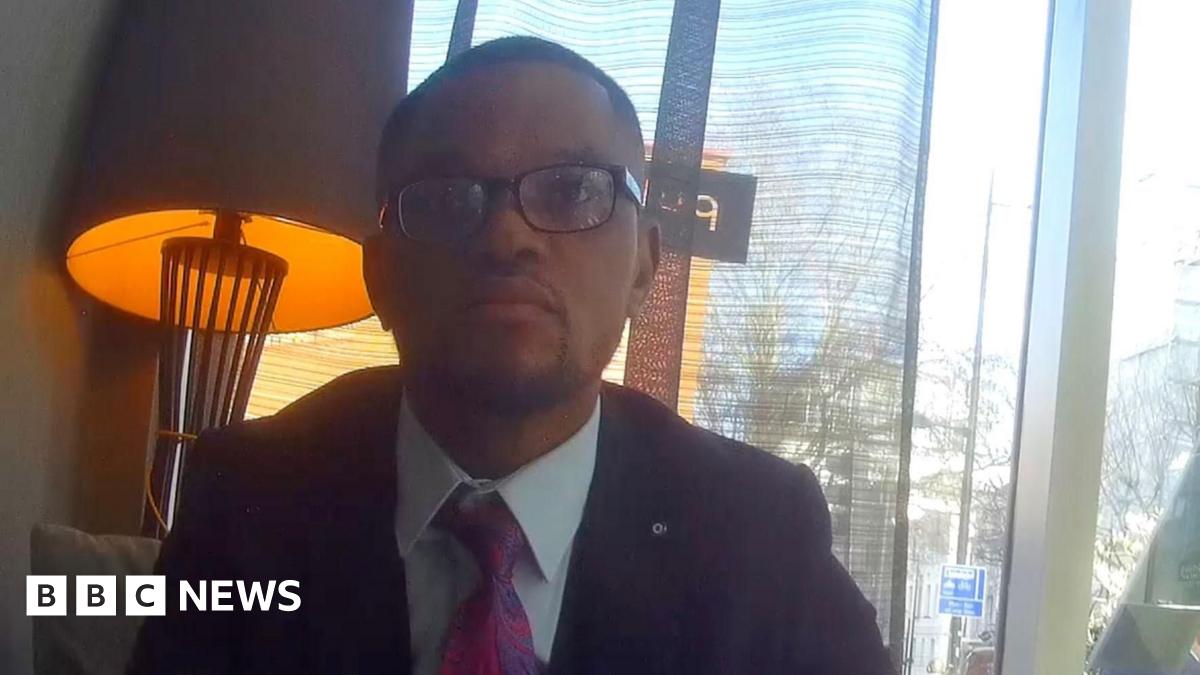
According to Aisha, when she initially reported being sexually assaulted by her then-husband, he retaliated by approaching police with counter-allegations, claiming that he was actually the victim of domestic abuse. “He told me just before he made the domestic abuse report: ‘Oh don’t worry, I’ve multiple ways to stay here. I don’t need you to stay in the country,'” she recounted.
Her ex-husband alleged that Aisha and her family had subjected him to coercive control and physical violence. For Aisha, this reversal of narrative was devastating. “I was being supported by the authorities and domestic abuse agencies way before his allegation of domestic abuse. And for him to turn the narrative around and say I’m a perpetrator, it was heartbreaking,” she said.
While police never took action against Aisha regarding her ex-partner’s allegations, she ultimately decided not to pursue rape charges against him. Despite this, the Criminal Injuries Compensation Authority awarded her more than £17,000, effectively determining that her sexual assault allegation was more likely than not to have occurred.
Experts in domestic abuse cases note that counter-allegations are increasingly being used as tactics by perpetrators, particularly in situations where immigration status is a factor. This phenomenon, sometimes called “systems abuse,” can allow abusers to manipulate legal and immigration frameworks to maintain control over their victims.
The ordeal escalated in January 2023 when Aisha was arrested following another allegation from her ex-husband. She described being separated from her breastfeeding baby for eight hours—a particularly distressing situation as her daughter was allergic to formula milk. “When I left, I went to breastfeed my baby and when I got home, I just wanted to end my life,” she revealed.
Birmingham Yardley MP Jess Phillips intervened on Aisha’s behalf, writing to officers on the day of her arrest. The MP stated, “I do not believe she would have been arrested had they [police] been aware of the history between her and her ex-partner.” Phillips, who later became a Home Office minister, continued advocating for Aisha, advising her to forward evidence to the Home Office with assurance of follow-up.
Aisha places significant blame on the Home Office for her prolonged suffering. “The Home Office is allowing this to happen,” she stated. “They allowed him to continue this behavior. I’ve suffered four years of hell because of the Home Office.”
This case raises serious questions about how domestic abuse cases involving immigrants are handled within the UK system. Advocacy groups have long highlighted that victims with insecure immigration status face additional barriers when reporting abuse, often fearing deportation or separation from their children if they come forward.
Police forces across the UK have been working to improve training around domestic abuse investigations, but critics argue that more needs to be done to recognize patterns of manipulation and false allegations, particularly when there may be immigration advantages at stake.
For victims like Aisha, the intertwined systems of criminal justice and immigration can create complex challenges that extend their trauma long after leaving abusive relationships. Support organizations continue to call for reforms that would better protect vulnerable individuals while preventing manipulation of these systems.
Fact Checker
Verify the accuracy of this article using The Disinformation Commission analysis and real-time sources.

6 Comments
The reported details of this case are quite alarming. It’s clear that the legal and social systems meant to protect victims of abuse can sometimes fail them, especially when complex immigration issues are involved. More needs to be done to address these vulnerabilities.
I hope this case sparks meaningful discussions and policy changes to better support and protect victims of abuse, regardless of their immigration status or the tactics used by their abusers.
It’s disheartening to see how the abuser in this case was able to turn the narrative around and accuse the victim of domestic abuse. This tactic is unfortunately all too common and can have devastating consequences for the real victim.
Victims of abuse often face an uphill battle in seeking justice and support. This case highlights the importance of providing comprehensive, trauma-informed assistance to ensure their safety and wellbeing.
This is a complex and troubling case that highlights the challenges faced by victims of abuse, particularly in the context of immigration and legal systems. It’s concerning to see how abusers can manipulate the system to their advantage, further traumatizing their victims.
I agree, this case demonstrates the need for more robust safeguards and support systems to protect vulnerable individuals, regardless of their immigration status.