


Listen to the article
Arizona’s largest utility has reached a landmark $7 million settlement with the state, agreeing to halt power disconnections during dangerous heat conditions following the death of an elderly customer.
Under the agreement announced Wednesday by Arizona Attorney General Kris Mayes, Arizona Public Service (APS) will no longer cut power to customers for nonpayment when forecasted temperatures reach 95 degrees Fahrenheit (35 degrees Celsius) or higher. The settlement extends protections beyond the utility’s previous policy, which only prohibited shutoffs between June 1 and October 15.
The legal action stemmed from the heat-related death of 82-year-old Katherine Korman at her Sun City West home in May 2024. Her electricity was disconnected for nonpayment when local temperatures reached about 99 degrees Fahrenheit (37 degrees Celsius). She was found dead six days later.
“No Arizonan should be at risk because they cannot afford their electric bill,” Mayes said in a statement. “This settlement ensures that APS will no longer disconnect power based on the date on the calendar alone – if temperatures are dangerous, the power stays on.”
The settlement requires APS to pay $2.7 million into a state consumer protection fund and allocate an additional $3.4 million to enhance its customer notification systems. The improved program will allow customers to designate emergency contacts who can receive disconnection notices and implement text message alerts about delinquent bills.
APS, which serves approximately 1.3 million customers across Arizona, maintains that it followed proper protocols in Korman’s case. The utility claimed it made ten attempts to contact her through various methods, including phone, email, door hangers, and monthly bills to inform her about her account status and offer assistance. Regulators who reviewed the case determined that APS had followed customer outreach and disconnection rules.
While agreeing to the settlement terms, APS did not acknowledge any wrongdoing. “Our entire team at APS prioritizes customer safety and cares deeply about the well-being of our customers and community,” the utility stated. The company also noted that its disconnection policies and customer communications already met or exceeded state laws and regulations.
The settlement specifies that all payments must come from APS shareholder funds and cannot be recovered through future rate increases or customer surcharges. Douglas Clark, executive director of the Arizona Corporation Commission, emphasized this point: “If APS wants to spend additional shareholder funds, it is free to do so. The consent agreement makes it clear that this payment is outside the regulatory framework and will not be passed on to ratepayers.”
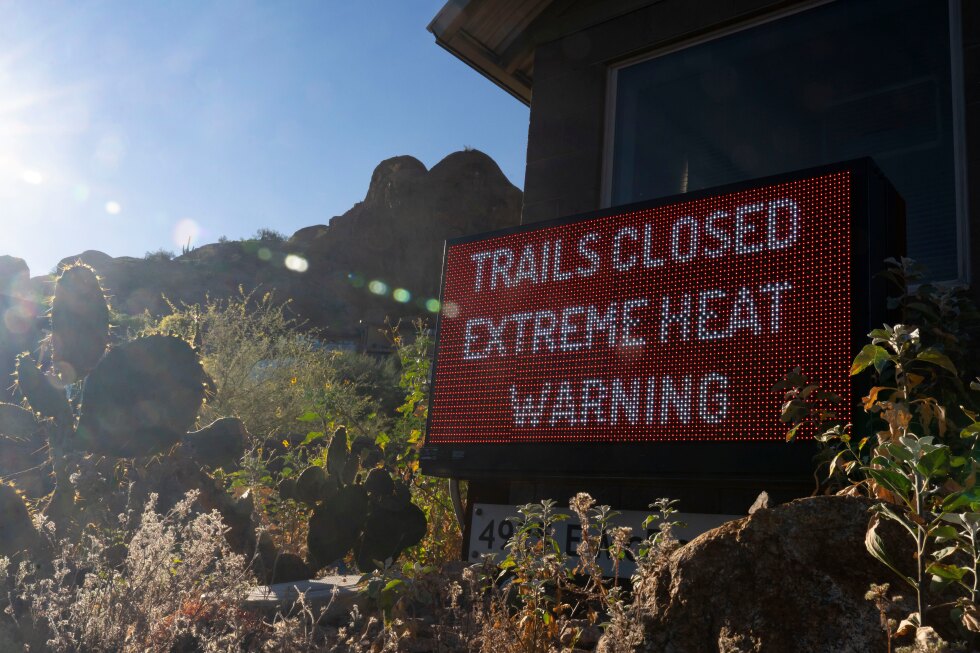
The settlement comes amid ongoing concerns about heat-related deaths in Arizona. Maricopa County, which includes Phoenix, confirmed 430 heat-related deaths in 2025, showing a decrease from 608 in 2024 and 645 in 2023. Despite this downward trend, the county recently announced its first confirmed heat-related death of 2026.
The case highlights the critical intersection between utility access and public health in a state where extreme heat has become increasingly dangerous. Climate experts have warned that Arizona faces longer and more intense heat waves due to climate change, making policies around essential services like electricity even more crucial for vulnerable populations.
Energy justice advocates have praised the settlement as an important step but continue to call for more comprehensive solutions, including expanded bill assistance programs and investments in energy efficiency for low-income households. Some community organizations have also pushed for year-round disconnection protections for elderly and medically vulnerable customers.
The APS settlement could set a precedent for other utilities across the Southwest, where similar challenges with extreme heat and utility affordability affect millions of residents. Several neighboring states are reportedly considering comparable temperature-based restrictions on power disconnections as climate adaptation measures.
Fact Checker
Verify the accuracy of this article using The Disinformation Commission analysis and real-time sources.

9 Comments
This agreement is a good start, but I wonder how it will be enforced in practice. Utilities have a history of finding loopholes to avoid accountability. Ongoing monitoring and strong penalties for non-compliance will be essential.
Kudos to the Arizona Attorney General for taking action on this issue. Shutting off power during dangerous heat conditions is unacceptable and can have tragic consequences. This settlement is an important step toward safeguarding public health and welfare.
This agreement is a welcome development. Utilities must be held accountable for the wellbeing of their customers, especially the elderly and those most at risk from extreme heat. I hope this sets a precedent for other states to enact similar protections.
Kudos to the Arizona AG for taking action on this critical issue. Protecting vulnerable residents from heat-related power shutoffs should be a top priority for utilities. I hope this sets an example for other states to follow.
While this settlement is a step in the right direction, I worry that it may not go far enough. Utilities should be required to invest in grid resilience and weatherization to ensure reliable power during heat waves, not just avoid shutoffs.
This is a good move by Arizona and APS. Protecting vulnerable residents from heat-related power shutoffs is critical, especially as extreme weather becomes more common. I hope other utilities follow suit to ensure safe, reliable electricity access for all.
This is an important development, but I hope it’s just the beginning. Extreme heat events are only going to become more frequent and severe due to climate change. Utilities across the country need to proactively address this public health risk.
While the $7 million settlement is a good start, I wonder if it goes far enough. Will APS face any further consequences for the tragic death that prompted this action? Stronger deterrents may be needed to ensure utilities prioritize public safety over profits.
That’s a fair point. Oversight and enforcement will be key to making sure this agreement is truly effective. Utilities need to know there will be real consequences if they fail to uphold their obligations to customers.