


Listen to the article
Gatorade Pivots Beyond Athletes, Targeting Everyday Hydration Market
Sixty years after inventing sports drinks, Gatorade is making a strategic pivot away from its athlete-focused roots. PepsiCo announced Thursday that its iconic brand will now target non-athletes seeking hydration solutions for everyday activities like long flights, walks, or even hangover recovery.
The shift reflects growing consumer interest in functional beverages with perceived health benefits. According to Jack Doggett, a food and drink analyst at Mintel, approximately 60% of sports drink consumers aren’t athletes but desire the functional ingredients these beverages provide, particularly electrolytes for hydration and carbohydrates for energy.
“People are using these drinks more for wellness and daily maintenance,” Doggett explained. “It’s easy to say that the wellness consumer is the young consumer, but older generations are also drinking these drinks for hydration.”
The functional beverage market is experiencing significant growth. Unit sales of sports drink mixes, including products from Liquid I.V., Skratch Labs, and Gatorade, rose nearly 20% in the year ending March 22, according to market research firm Circana. Meanwhile, bottled water sales remained flat during the same period.
This expanding market has attracted numerous competitors. Mike Del Pozzo, president of U.S. beverages at PepsiCo, noted that approximately 150 new brands have entered the hydration space in recent years, creating what he describes as “risk on the category and pressure from a credibility perspective.”
“Some that are coming in are building on the science that we created,” Del Pozzo said. “And we’re like, ‘Well, geez, we should be doing that. We should be talking more overtly about the science and the business and why we believe we’re future-forward.'”
PepsiCo’s strategy with Gatorade mirrors recent moves by competitors. Coca-Cola’s Powerade refreshed its packaging in 2023 to highlight increased electrolyte content and introduced Power Water, a zero-sugar, electrolyte-enhanced beverage for non-athletes. Similarly, Liquid I.V., founded as a sports drink mix in 2012 and acquired by Unilever in 2020, has repositioned itself as a wellness and hydration brand.
Sean Harapko, beverage sector leader at Ernst & Young Americas, explains that with today’s overwhelming beverage choices, companies must clearly define their products and articulate their unique value propositions. Consumers are increasingly health-conscious but gather information from diverse sources and create personalized definitions of healthy living.
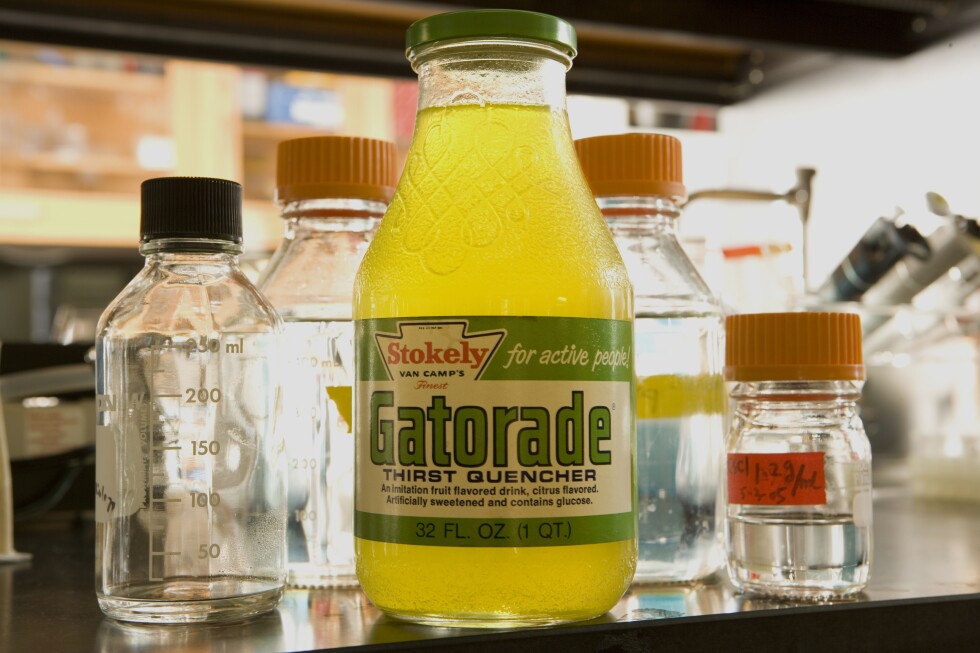
The original Gatorade was developed in 1965 when University of Florida’s football coach approached Dr. Robert Cade about players losing significant weight during games without urinating. Cade determined the athletes were sweating out electrolytes, disrupting their body’s chemical balance. His solution—a drink containing salt to replace electrolytes, sugar for energy, and lemon juice for flavor—became Gatorade.
After Quaker Oats acquired Gatorade’s parent company in 1983 and established the Gatorade Sports Science Institute two years later, PepsiCo eventually took ownership when it purchased Quaker Oats in 2000.
While Gatorade remains committed to meeting athletes’ needs with products like Gatorade Thirst Quencher (containing 48 grams of sugar and 18% of the recommended daily carbohydrates), the company is expanding its portfolio. Gatorade Lower Sugar, launched last month with 75% less sugar, has become one of the company’s best-selling new products.
The new product lineup will clearly label items that supposedly hydrate better or faster than water. Gatorade Longer Lasting, scheduled for release next year, will blend glycerin and electrolytes to promote longer hydration than water alone.
Del Pozzo believes lower-sugar versions targeting non-athletes and the elimination of artificial colors are attracting new customers to the brand. “I think there were people that said, ‘I didn’t exercise or I’m not out in the heat or I am not sweating.’ The reality is, everybody is sweating and dehydrated from the moment they wake up and many just don’t know it,” he said.
However, some experts remain skeptical about the necessity of specialized hydration products for average consumers. Travis Masterson, an assistant professor at Pennsylvania State University’s College of Health and Human Development, points out that most non-athletes get sufficient sodium from their regular diet, and thirst is generally a reliable indicator of hydration needs for the average person.
“Gatorade 100% has a place, but is it going to be necessary for everybody? Do you need to hydrate faster or longer?” Masterson questioned. “The average person doesn’t need all the extra stuff.”
Fact Checker
Verify the accuracy of this article using The Disinformation Commission analysis and real-time sources.

7 Comments
The sports drink market seems to be getting more crowded. Gatorade will need to differentiate itself to appeal to the everyday hydration crowd. Emphasizing functional benefits beyond just athletes could be a good strategy.
I’m curious to see how Gatorade’s marketing and product formulations evolve to cater to this new non-athlete consumer base. Electrolytes and carbs may not be the only selling points they’ll need to focus on.
Interesting pivot for Gatorade. Targeting non-athletes for everyday hydration makes sense given the growing demand for functional beverages. I wonder how they’ll position the brand to appeal to that wider consumer segment.
The shift towards functional beverages is a promising trend. Gatorade’s pivot could pay off if they can effectively position the brand as a go-to hydration solution for a wide range of daily activities.
Interesting that older generations are also embracing sports drinks for hydration. Gatorade may need to adjust its brand imagery and messaging to resonate with a more diverse consumer base beyond just young athletes.
Gatorade going beyond just athletes is a smart move. As the article notes, a majority of sports drink consumers aren’t athletes. Expanding the target market could really pay off for the brand.
Agreed, it’s a strategic shift that could open up new growth opportunities for Gatorade. Tapping into the broader wellness trend is a wise play.