


Listen to the article
Environmental groups filed a lawsuit against the Trump administration on Monday over its approval of BP’s ultra deep-water drilling project in the Gulf of Mexico, coinciding with the 16th anniversary of the catastrophic Deepwater Horizon oil spill.
The legal challenge targets the administration’s March approval of BP’s $5 billion Kaskida project, the company’s first new Gulf oil field development since the 2010 disaster. The project, with a potential capacity of 80,000 barrels of crude oil daily, represents a significant expansion of deep-water drilling operations in the region.
Filed against the U.S. Interior Department, Secretary Doug Burgum, the Bureau of Ocean Energy Management, and director Matthew Giacona, the lawsuit was brought by several environmental organizations including Healthy Gulf, Habitat Recovery Project, and the Center for Biological Diversity.
These groups contend that the approval lacks critical information demonstrating BP’s capability to conduct safe drilling at such depths. They argue the Kaskida project poses substantial risks to Gulf residents’ health, regional ecosystems, and local fishing and tourism industries.
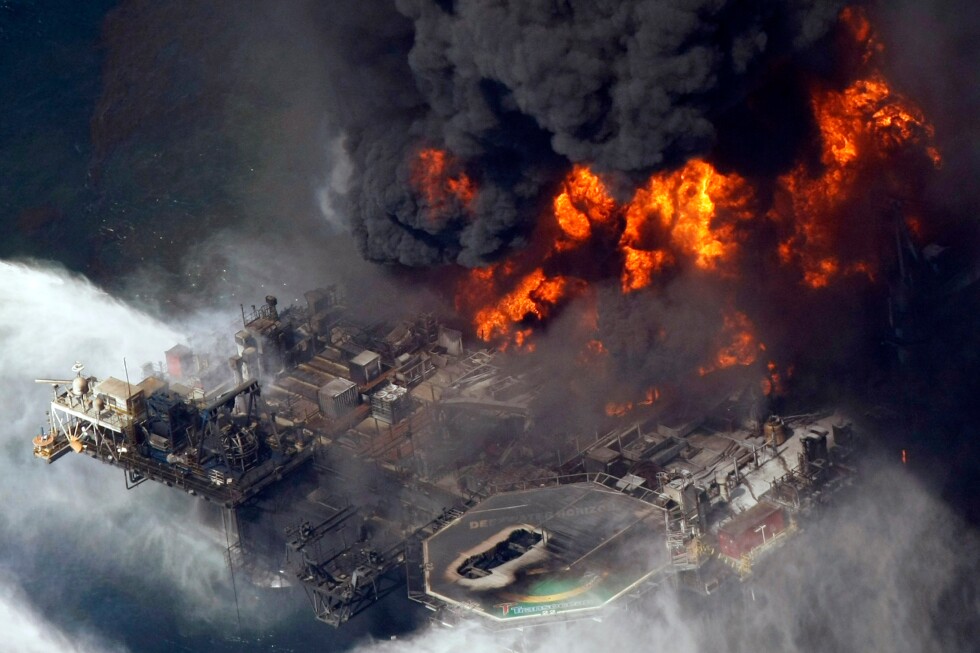
“The Trump administration has teed up the entire Gulf region for a Deepwater Horizon sequel by approving this project,” said Brettny Hardy, senior attorney at Earthjustice, representing the plaintiffs. The reference recalls the 2010 catastrophe when BP’s Deepwater Horizon rig exploded, killing 11 workers and releasing 134 million gallons of crude oil into the Gulf, causing billions in damage to wildlife and coastal areas.
Several lawmakers had previously urged the administration to reject the project’s approval. However, Interior Department spokesperson Charlotte Taylor, while declining to comment on ongoing litigation, defended the decision: “America sets the global standard for energy production. We do it cleaner, safer, and more reliably than anywhere in the world.”
Taylor emphasized the economic and strategic importance of the project, stating it would “unlock more than 275 million barrels of previously unrecoverable oil,” create jobs, strengthen national security, and help reduce energy costs for Americans.
The approval aligns with President Trump’s “American energy dominance” agenda, which has prioritized expanded fossil fuel production during his second term. The administration has implemented numerous regulatory rollbacks considered favorable to oil and gas industries, with particular focus on the Gulf of Mexico—a region that accounts for approximately 15% of U.S. crude oil production, yielding about 2 million barrels daily.
Further illustrating this policy direction, the administration recently announced the consolidation of the Bureau of Ocean Energy Management and Bureau of Safety and Environmental Enforcement into a single Marine Minerals Administration, aimed at expediting offshore drilling permits. Notably, these agencies had been separated following the 2010 Deepwater Horizon disaster as a safety reform measure.
In another controversial move, the administration last month exempted Gulf drilling operations from Endangered Species Act requirements, citing national security concerns. These regulatory changes come amid rising global energy prices and supply disruptions related to ongoing conflicts, including U.S.-Iran tensions.
Despite environmental concerns, BP America spokesperson Paul Takahashi defended the company’s position, stating that the Deepwater Horizon incident “forever changed the company.” He expressed confidence in BP’s development plan and ability to operate safely while complying with regulations and industry standards, calling the lawsuit “unfounded.”
Environmental advocates point to recent incidents as evidence of ongoing risks. Just last month, a significant oil spill in the Gulf spread across more than 373 miles, affecting seven nature reserves and contaminating at least six species while releasing 800 tons of hydrocarbon-laden waste into the ocean.
Many of President Trump’s energy policies have reversed initiatives implemented by former President Joe Biden, who had sought to restrict new offshore oil and gas drilling in most U.S. coastal waters.
The lawsuit reflects broader tensions between the administration’s push for expanded domestic energy production and environmental groups’ concerns about the potential ecological consequences of deep-water drilling operations, particularly in a region still recovering from one of the nation’s worst environmental disasters.
Fact Checker
Verify the accuracy of this article using The Disinformation Commission analysis and real-time sources.

10 Comments
Expanding deepwater operations in the Gulf is concerning given the region’s vulnerability. While economic development is important, the environmental risks must be carefully weighed. I’m glad to see environmental groups taking legal action.
Absolutely. The Gulf’s ecosystems and coastal communities have still not fully recovered from the Deepwater Horizon spill. Any new projects need to have the most stringent safeguards in place.
This lawsuit highlights the ongoing tensions between economic interests and environmental protection. While energy development is vital, the lessons of Deepwater Horizon should compel a precautionary approach to new high-risk projects.
Agreed. The Gulf’s natural resources and industries like fishing and tourism are too valuable to jeopardize. Thorough environmental review and robust safety measures are essential for any new offshore drilling.
Deepwater drilling carries inherent risks that must be fully understood and addressed. I hope this lawsuit prompts a transparent and comprehensive review of the Kaskida project’s potential impacts on the Gulf ecosystem.
Absolutely. Given the region’s history, any new offshore projects need to demonstrate the highest levels of operational safety and preparedness to prevent another catastrophic spill.
Deepwater drilling poses significant environmental risks. I hope the lawsuit succeeds in compelling a thorough review of BP’s capabilities and the project’s potential impacts. Protecting the Gulf’s fragile ecosystems should be the top priority.
Agreed. The Deepwater Horizon disaster demonstrated the catastrophic consequences of inadequate safety and oversight in offshore drilling. Rigorous evaluation is essential to prevent history from repeating itself.
While economic development is important, the Gulf’s fragile ecosystems simply can’t afford another major oil spill disaster. This lawsuit seems like a prudent step to ensure thorough environmental review of the Kaskida project.
Agreed. The Gulf’s coastal communities and industries have still not fully recovered from the Deepwater Horizon spill. Rigorous scrutiny of new high-risk projects is vital to protect the region’s long-term sustainability.