


Listen to the article
A federal judge on Wednesday extended a preliminary injunction against the conversion of an enormous Maryland warehouse into an immigrant processing facility, dealing another setback to the Department of Homeland Security’s controversial nationwide plan to house immigrants in repurposed industrial buildings.
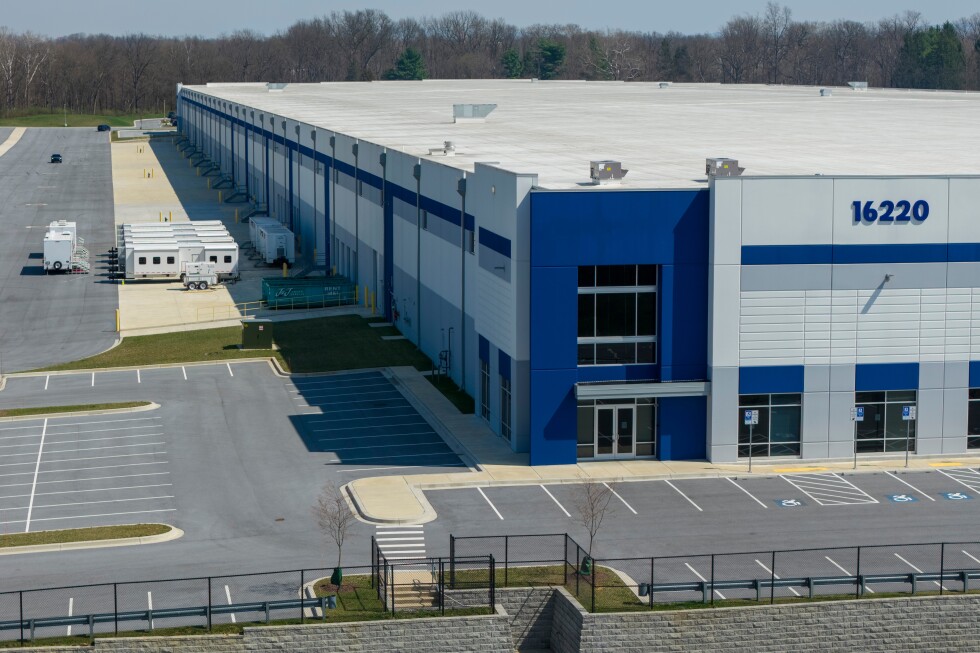
The 825,000-square-foot warehouse near Hagerstown, Maryland, purchased by DHS in January for $102.4 million, was slated to be among the first of 11 such facilities to open across the country. Officials had planned for the facility to house between 500 and 1,500 immigrant detainees.
This judicial action comes amid growing resistance to the warehouse conversion program, which has now prompted Homeland Security Secretary Markwayne Mullin to review the entire initiative. The federal government’s plans have encountered significant opposition despite Washington County officials previously issuing a proclamation of “unwavering support” for DHS and Immigration and Customs Enforcement (ICE).
The State of Maryland filed the lawsuit that led to Wednesday’s ruling, arguing that federal officials failed to conduct required environmental reviews before moving forward with the project. The state’s legal challenge highlighted that the warehouse sits in a flood plain and noted that public comment was not solicited until more than a month after the government had already purchased the property.
Several community and environmental groups submitted concerns during the public comment period, which closed on March 5. However, according to the lawsuit, ICE moved forward regardless, awarding a $113 million renovation contract just one day later. The renovations were scheduled for completion by May 4, utilizing funds from what the suit described as a “massive congressional appropriation.”
The preliminary injunction issued Wednesday replaces a temporary restraining order that had initially halted the renovation work. Under the new ruling, the federal government may only conduct limited work such as fence installation and HVAC system improvements until the case reaches its conclusion.
DHS expressed strong disagreement with the court’s decision. “Let’s be honest about what is happening,” the department said in a statement. “This isn’t about the environment. It’s about trying to stop President Trump from making America safe.” This statement comes despite an earlier court filing in which the federal government acknowledged that “ICE is reconsidering the plans and scope of the warehouse.”
Maryland Governor Wes Moore welcomed the judge’s decision, calling it a “major and welcome step forward.” State Attorney General Anthony Brown added that the ruling demonstrates “no one, not even the federal government, is above the law.”
Maryland State Delegate Matthew Schindler, who has opposed the warehouse conversion, told The Associated Press that the federal government’s approach was “outpacing accountability.” He expressed concern about community impacts, stating, “We don’t want to see our community compromised because corners were cut.”
The Maryland case represents just one of three similar lawsuits currently pending in federal courts. In other jurisdictions, local officials have attempted to block warehouse conversions by citing inadequate water and sewage infrastructure to support the proposed facilities.
The Hagerstown case has emerged as a focal point in the national debate over these facilities. Kyle McCarthy of Hagerstown Rapid Response, a group organized to fight the project, noted the significance of their efforts: “Washington County has become basically ground zero for all these warehouse fights. We’ve helped show a blueprint for how other communities can fight and stop these from happening. We’ve been throwing sand in the gears at every possible moment.”
The outcome of this case could have significant implications for the Biden administration’s broader immigration detention strategy and set precedents for how similar facilities might be developed—or blocked—in other communities across the country. As legal challenges mount, the future of the warehouse conversion program remains increasingly uncertain.
Fact Checker
Verify the accuracy of this article using The Disinformation Commission analysis and real-time sources.

11 Comments
The federal government’s plans to repurpose warehouses for immigrant housing have faced significant pushback. It’s good to see the courts pausing this initiative to allow for proper environmental and community impact assessments.
Yes, these types of large-scale facility conversions should undergo rigorous review before implementation. Upholding due process and transparency is crucial when dealing with sensitive immigration matters.
This seems like a complex issue with valid concerns on both sides. Converting warehouses to house immigrants raises environmental and logistical questions that need thorough review. A balanced approach considering all stakeholders is important here.
Agreed, this is a sensitive topic that requires careful consideration of all perspectives. The environmental impact and community concerns must be addressed properly.
The pause on the Maryland warehouse conversion is a positive step, as it allows for a more comprehensive review of the environmental and logistical concerns raised. Balancing the needs of all stakeholders is essential when addressing sensitive immigration issues.
The federal government’s nationwide plan to use repurposed warehouses for immigrant housing is facing significant pushback. This judicial pause provides an opportunity to carefully review the environmental and community impacts of such large-scale facility conversions.
Warehouses may not be the ideal long-term solution for housing immigrants. While the plans aim to provide more capacity, the concerns raised by the State of Maryland suggest there are important issues that need to be addressed.
You raise a good point. Repurposing industrial facilities for this purpose raises complex logistical and environmental questions that warrant thorough examination before moving forward.
This is a sensitive and complex issue that requires a thoughtful, balanced approach. While the government aims to increase housing capacity, the concerns raised by Maryland suggest the need for more comprehensive reviews and stakeholder engagement.
The decision to pause the Maryland warehouse conversion is a prudent move, allowing for a thorough assessment of the environmental and community impacts. Careful consideration of all perspectives is crucial when dealing with sensitive immigration matters.
The federal government’s plan to repurpose warehouses for immigrant housing has encountered significant resistance. This judicial action highlights the importance of conducting proper environmental and community impact assessments before implementing such large-scale facility conversions.