


Listen to the article
Tamil Nadu Agriculture Minister Defends Government’s Paddy Procurement Amid Opposition Criticism
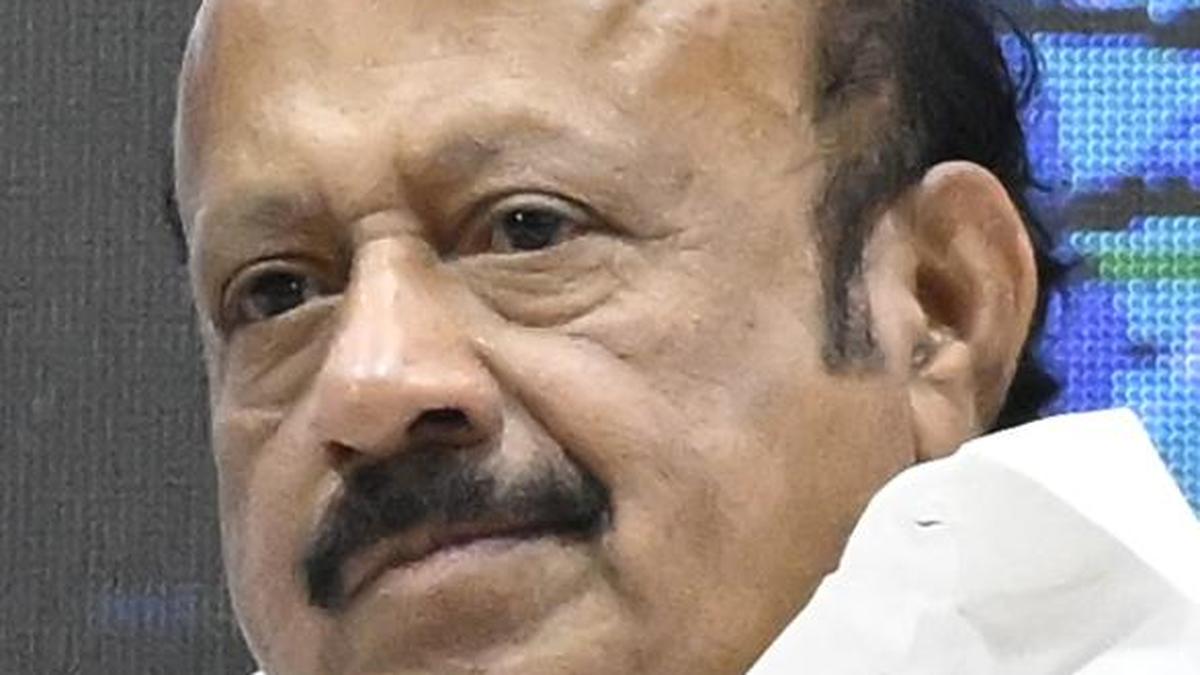
Tamil Nadu Agriculture Minister M.R.K. Panneerselvam has strongly rebutted opposition claims regarding the state’s paddy procurement during the Kuruvai season, accusing rival parties of spreading misinformation for political gain.
Speaking to reporters at the Secretariat on Saturday, Panneerselvam emphasized that unseasonal rains resulting from climate change had disrupted normal cropping patterns across the state. Despite these challenges, he highlighted that paddy production had tripled thanks to multiple government initiatives.
“Through our comprehensive ₹214 crore Kuruvai package scheme, timely subsidies, and strategic water release from the Mettur dam for irrigation, farmers have seen unprecedented yields despite difficult weather conditions,” Panneerselvam stated.
The minister presented a direct comparison with the previous AIADMK administration, noting that the current DMK government had already surpassed their predecessor’s entire decade of procurement in just over three years. “During the previous government’s ten-year tenure, they procured 1.79 crore metric tonnes of paddy. Since the DMK came to power in 2021, we have already procured 1.93 crore metric tonnes,” he said.
Panneerselvam also criticized the central government for what he described as contradictory policies affecting Tamil Nadu’s farmers. He pointed to the Union government’s refusal to permit fortified rice blending or increase allowable moisture content standards for paddy procurement, which has impacted farmers dealing with recent rainfall.
“After refusing to increase the moisture level for paddy procurement, Prime Minister Narendra Modi was participating in a conference on natural farming. They are playing a double game on farmers’ issues,” the minister alleged, suggesting that the central government’s policies were inconsistent with the realities facing Tamil Nadu’s agricultural sector.
The remarks come at a critical time for Tamil Nadu’s agricultural economy, with the Kuruvai season being a vital short-term paddy crop cultivated between June and September. This season is particularly important for the Cauvery delta region, often described as the “rice bowl” of Tamil Nadu, where agricultural outcomes have significant implications for the state’s food security and rural livelihoods.
Panneerselvam also outlined the DMK government’s efforts to support farmers through insurance and disaster relief mechanisms. “In the past four years, crop insurance claims amounting to ₹5,997 crore have been settled, benefiting 37 lakh farmers,” he stated. Additionally, he reported that ₹1,692 crore had been disbursed to 20 lakh farmers as disaster relief compensation.
Addressing more recent crop losses, the minister revealed that 4,893 hectares of agricultural land had been affected, impacting 4,667 farmers across the state. He assured that Chief Minister M.K. Stalin would soon announce a compensation package for these affected farmers.
The minister also sought to reassure the public about fertilizer availability, stating that current stocks exceeded requirements and that officials were conducting regular monitoring of distribution networks to prevent any shortages or black marketing ahead of the next planting season.
This ongoing political debate over agricultural policies reflects broader tensions between state and central authorities in India’s federal system, particularly regarding crop procurement standards and support mechanisms for farmers facing climate-related challenges. The issue has particular resonance in Tamil Nadu, where agriculture remains a cornerstone of both the economy and political discourse.
Fact Checker
Verify the accuracy of this article using The Disinformation Commission analysis and real-time sources.

14 Comments
The statistics shared by the minister on procurement volumes over time provide useful context. Curious to see if the current DMK government can maintain or exceed these levels in the long run.
A fair point. Sustaining high procurement levels will be crucial, especially given climate change impacts on agriculture.
It’s good to see the government actively addressing opposition claims and providing a detailed, data-driven response. Transparency and factual rebuttals are crucial in political debates.
Agreed. Fact-based dialogue, rather than partisan rhetoric, is the best way to resolve differences and serve the interests of the public.
Interesting to see the government highlighting its Kuruvai package scheme and water management efforts to support farmers. Curious to learn more about the specific initiatives and their efficacy.
Agreed, more details on the government programs could provide helpful insights into their approach and impact on the ground.
Climate change’s impact on crop patterns is a growing challenge. The minister’s emphasis on government support programs and initiatives to help farmers maintain yields is encouraging.
Absolutely. Providing timely subsidies and water management seems crucial for adapting to unpredictable weather conditions.
Interesting to hear the state agriculture minister’s defense of the government’s paddy procurement efforts. It’s important to get the facts straight, especially when dealing with claims of misinformation from opposition parties.
Agreed. The minister’s data and comparisons with the previous administration seem to paint a fuller picture of the challenges and progress made.
The minister’s direct comparison with the previous AIADMK administration’s procurement record seems like a strategic move to contextualize the current government’s achievements. Curious to see how this narrative plays out.
A fair assessment. Comparative data can be a powerful tool, but it will be important to ensure the figures are accurate and presented objectively.
It’s good to see the government taking a proactive stance in refuting false claims about paddy procurement. Transparent data and direct comparisons can help dispel misinformation.
Agreed. Constructive dialogue and fact-based responses are important to address political rhetoric, especially on critical agricultural issues.